Top Tips on How To Live A Minimalist Life
Learn how to live a minimalist life with these top tips! Discover the benefits of minimalism and how you can simplify your life. Start living intentionally today. #HowToLiveAMinimalistLife

🌞 The Art of Living a Minimalist Lifestyle
Minimalism is a lifestyle choice that focuses on living with less to make room for more meaningful experiences. The benefits of minimalism include financial savings, reduced stress, better moods, and a more orderly and aesthetically pleasing environment.
This guide offers practical tips on embracing minimalism, from decluttering to mindful consumption, for a more intentional and satisfying life.
📘 What is Minimalism?
Minimalism emphasizes living with less focus on what truly matters. Originating as an art movement in the 1960s, it now influences architecture, design, and personal living. The core principles—simplicity, intentionality, and mindfulness—promote prioritizing essential items and experiences for a meaningful, stress-free life.
Embracing minimalism can lead to a more intentional and simplified lifestyle. Decluttering and simplifying one's home is key to enhancing overall well-being. Understanding minimalism's essence helps us appreciate its benefits and guides us toward a more intentional way of living.
Benefits of Living a Minimalist Life
Living a minimalist life offers numerous advantages. By focusing on simplicity and intentionality, you can experience mental clarity, financial freedom, environmental benefits, and improved relationships.
Mental Clarity: Decluttering reduces mental chaos, fostering a calm and organized environment. Simplifying daily routines alleviates stress, allowing focus on what truly matters.
- Minimalism can improve mental health by reducing stress and promoting relaxation. Letting go of external expectations and focusing on personal values supports better mental health.
Financial Freedom: Mindful spending reduces unnecessary expenses, helping you save money and avoid debt. This shift in focus from material possessions to experiences often requires less financial investment.
- Minimalism can lead to more money by reducing unnecessary expenses, resulting in more time, more focus, and less stress.
Environmental Impact: Minimalism promotes sustainable living by reducing waste and choosing high-quality, durable items, thus conserving resources and reducing pollution.
Improved Relationships: By eliminating excess and distractions, minimalism allows more time and energy for meaningful connections with loved ones.
These benefits make minimalism a powerful lifestyle choice for anyone looking to enhance their overall well-being.

Getting Started with Minimalism: A Personal Journey
Embarking on a minimalist journey can seem overwhelming, but breaking it down into manageable steps can make the process easier. Adopting minimalism is a personal journey that involves transformation and learning experiences.
Set Your Intention: Understand why you want to adopt minimalism. Reflect on your reasons, whether to reduce stress, save money, improve your environment, or foster deeper relationships.
Assess Your Lifestyle: Evaluate your physical space, schedule, digital space, and relationships to identify areas needing simplification. Look for patterns of excess and overwhelm.
Create a Minimalist Mindset: Develop simplicity and intentionality in your thoughts and actions. Practice gratitude, set clear priorities, and let go of anything that doesn’t align with them.
Starting your minimalist journey with clear intentions and a focused mindset will set you up for success.
Decluttering Your Physical Space
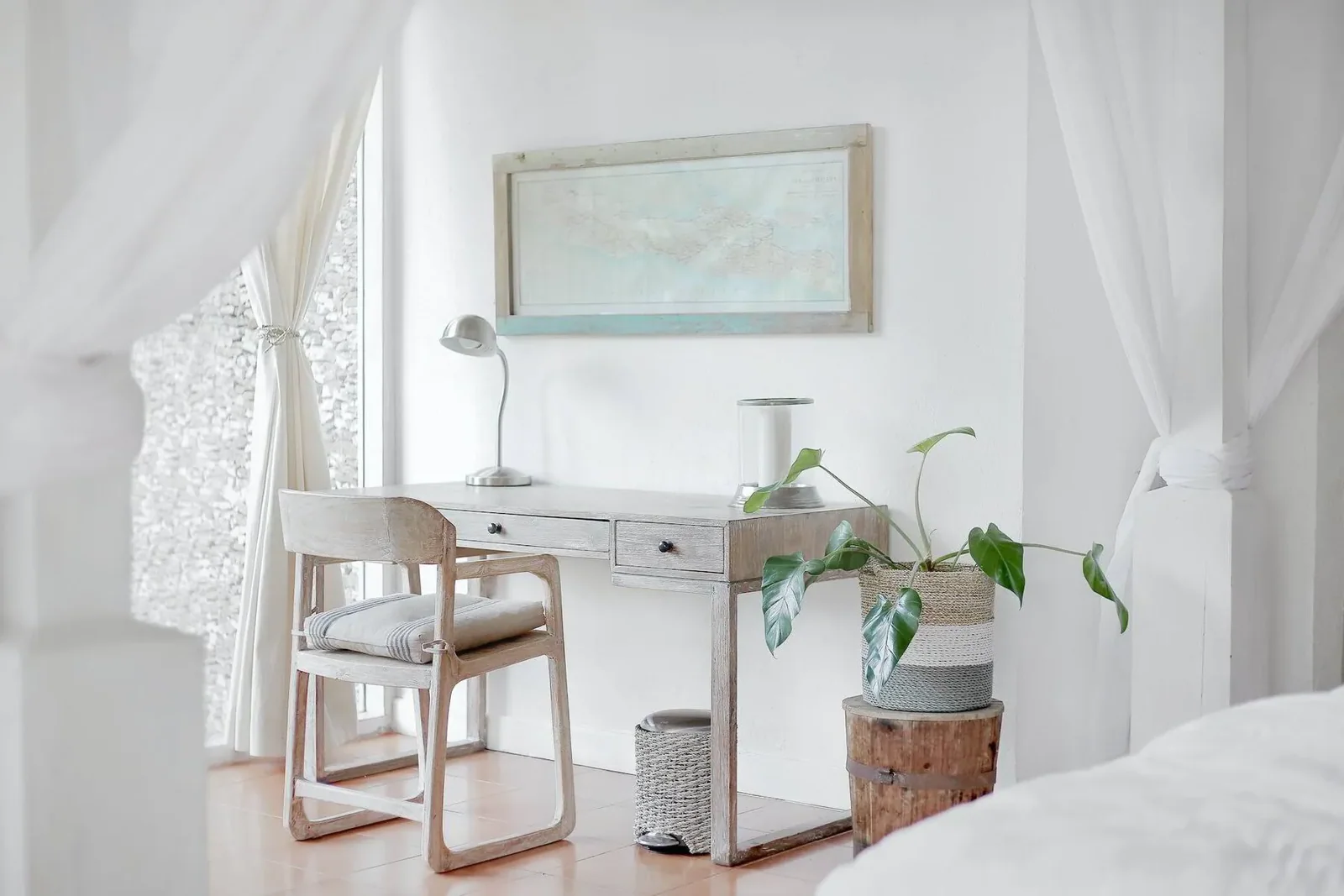
Decluttering your space is a crucial step in adopting a minimalist lifestyle. By focusing on having less stuff, you create an organized, serene environment and promote mental clarity.
Start with One Room at a Time: Focus on one room to stay motivated and see immediate progress. Begin with a significant impact area like the bedroom or kitchen.
Three-Box Method: Label three boxes as “keep,” “donate,” and “discard.” Sort items quickly and efficiently to simplify the decision-making process.
Room-Specific Tips:
- Bedroom: Clear surfaces, minimize furniture, and store out-of-season items out of sight.
- Kitchen: Remove duplicates and unused appliances, keep countertops clear, and organize cabinets efficiently.
- Living Room: Limit decorative items and ensure furniture serves a purpose.
Maintain a Clutter-Free Home: Develop daily habits like putting items back in place, regularly reviewing possessions, and adopting a one-in-one-out policy.
By following these steps, you can create a clutter-free, peaceful home environment that supports a minimalist lifestyle.
Watch the video referenced in this article ↗Simplifying Your Wardrobe

Creating a minimalist wardrobe, often referred to as a capsule wardrobe, can greatly simplify your life and make getting dressed a breeze. It also simplifies decision-making in everyday life.
Benefits of a Capsule Wardrobe: Simplifies decision-making, reduces stress, and encourages investment in high-quality, versatile pieces.
Create a Minimalist Wardrobe: Evaluate your clothing, remove items that no longer fit or suit your lifestyle, and focus on neutral colors and classic styles.
Maintain a Simple Wardrobe: Regularly edit your wardrobe, practice mindful shopping, and prioritize quality over quantity.
A minimalist wardrobe streamlines your daily routine and reflects your personal style, making life simpler and more enjoyable.
Minimalist Finances: How to Save Money

Applying minimalist principles to personal finances can lead to greater financial freedom and a more fulfilling life. By reducing financial stress and obligations, minimalist finances can also provide more freedom to explore new experiences and personal growth.
Budgeting and Mindful Spending: Create a budget that reflects minimalist values, focusing on essential needs and mindful spending to avoid impulse buys.
Reduce Unnecessary Expenses: Identify areas to cut back, such as unused subscriptions and dining out, and adopt energy-efficient habits.
Invest in Experiences: Prioritize experiences and personal growth over material possessions for lasting happiness and fulfillment.
By managing your finances with minimalism in mind, you can achieve financial stability and enjoy a more meaningful life.
Digital Minimalism
Reducing mental clutter through digital minimalism is the practice of simplifying your digital life to reduce distractions and improve focus.
Declutter Your Digital Life: Organize and simplify digital files and devices, delete unnecessary content, and create clear folder structures.
Reduce Screen Time: Set specific times for checking emails and social media, use apps to track usage, and designate screen-free periods.
Curate Digital Content: Unsubscribe from unnecessary lists, unfollow accounts that don’t add value, and prioritize high-quality content.
Embracing digital minimalism helps you reclaim your time and attention, leading to a more balanced and purposeful life.
Mindful Consumption: Reducing Mental Clutter
Mindful consumption is a key principle of minimalism, emphasizing intentional and thoughtful purchasing decisions. Mindful consumption also contributes to a more minimalist lifestyle by helping to declutter homes and schedules, and improving decision-making, space management, and time management.
Buy with Intention: Consider each purchase carefully, avoid impulse buys, and ensure items meet your needs and values.
Focus on Quality Over Quantity: Invest in high-quality, durable items that last longer, saving money and reducing waste.
Sustainable and Ethical Consumption: Choose products with minimal environmental impact and support companies with fair labor practices.
Mindful consumption aligns your buying habits with minimalist values, leading to a more intentional and sustainable lifestyle.
Living with Intention

Living with intention is a cornerstone of minimalism, emphasizing deliberate choices that align with your values and goals. By living with intention, you can also reclaim free time for activities that bring happiness.
Practice Mindfulness and Gratitude: Incorporate meditation or deep breathing exercises, and keep a gratitude journal to enhance daily life.
Set Meaningful Goals: Align your objectives with core values using the SMART criteria, and regularly review progress.
Embrace Simplicity in Daily Routines: Streamline morning routines, adopt minimalist meal planning, and reduce decision fatigue with consistent habits.
By living with intention, you can create a more deliberate and fulfilling life aligned with minimalist values.
Frequently Asked Questions
What is minimalism, and how can it improve my life?
Minimalism is a lifestyle that focuses on living with less to make room for what truly matters, such as meaningful experiences and relationships. It can reduce stress, save money, and enhance mental clarity by eliminating unnecessary possessions and distractions.
How do I start living a minimalist lifestyle?
Begin by setting a clear intention for why you want to adopt minimalism. Assess your current lifestyle to identify areas of excess, and start decluttering one room at a time using methods like the three-box system (keep, donate, discard). Focus on keeping only items that add value to your life.
How does minimalism help with financial freedom?
Minimalism promotes mindful spending and saving. By prioritizing essential items and avoiding impulsive purchases, you can reduce unnecessary expenses, save money, and avoid debt. This shift from material possessions to meaningful experiences often requires less financial investment.
What are the environmental benefits of minimalism?
Minimalism supports sustainable living by reducing waste and consumption. Minimalists tend to choose high-quality, durable items that last longer, which helps conserve natural resources and reduce pollution. This conscious consumption contributes to a healthier planet.
How can minimalism improve my mental health?
By decluttering physical spaces and simplifying daily routines, minimalism reduces mental clutter and stress. A tidy, organized environment fosters a sense of calm and order, improving focus and overall mental well-being.
Final Thoughts

Embrace minimalism by focusing on what truly matters and eliminating excess. Start with small, manageable steps, and gradually incorporate these principles into your daily life for a more meaningful and fulfilling existence.
Remember, adopting minimalism doesn't happen overnight and requires gradual, intentional steps. For more tips and inspiration, explore our other insightful homeowner articles.

Lara Harding
Lara is a supporting author @ DIY Home Comfort. She's an experienced interior designer and decorator and a full-time mom. You can find out more about her here.