
How Supply Chain Innovation in Home Improvement Is Shaping Today’s Renovation Trends
Discover how supply chain innovation in home improvement is reshaping renovations with smarter logistics, prefab solutions, and digital tools for better results.

Whether you're remodeling your kitchen or building a backyard ADU, chances are the project is being shaped by something you don’t usually see: the supply chain. While most homeowners and even some contractors think of supply chains only when delays strike, the truth is these behind-the-scenes systems are driving the biggest trends in home improvement today.
From prefab walls delivered in days to apps that track every tile shipment, innovations in supply chain management are making home improvement faster, smarter, and more sustainable than ever before.
Let’s break down the key ways supply chain innovation is reshaping the way we renovate and build.
📘 Key Takeaways
- Leverage Prefab Solutions: Incorporate prefabricated and modular components to speed up installations, reduce on-site labor, and avoid weather-related delays.
- Use Digital Supply Tools: Use real-time tracking apps and inventory management software to monitor product availability and streamline logistics.
- Focus on Sustainability: Choose suppliers who embrace circular supply chain models and offer eco-friendly materials to align with modern homeowner values.
- Stay Ahead with Data: Utilize machine learning and demand forecasting tools to anticipate delays, manage lead times, and reduce excess inventory.
- Partner with Innovative Retailers: Work closely with home improvement retailers that offer on-demand delivery, online orders, and smart inventory systems to improve customer experience and operational efficiency.
Smarter Logistics = Faster Remodels
Remember when contractors had to wait days, sometimes weeks, for essential materials to arrive? That’s changing.
Supply chain logistics are now powered by real-time tracking, predictive analytics, and AI-powered routing. These technologies allow suppliers and distributors to deliver materials to job sites with greater precision and less waste.
For contractors:
- You can schedule your crews more confidently when materials are guaranteed to arrive just in time.
- Delivery sequencing (drywall before paint, fixtures after tile) reduces onsite clutter and improves safety.
For homeowners:
- Less time spent waiting means shorter project durations, which means less disruption to your life.
- Real-time notifications can keep you updated on your project’s progress without constantly calling your contractor.
Example: Some suppliers now use GPS-enabled pallets that notify both the warehouse and the job site when they arrive within 15 minutes, minimizing downtime and improving supply chain efficiency.
Retail technology is helping optimize in-store pickups and streamline the delivery of bulky items like flooring, cabinetry, and drywall. This directly improves customer experience and customer satisfaction, while reducing excess inventory.
The Rise of Prefabricated and Modular Components
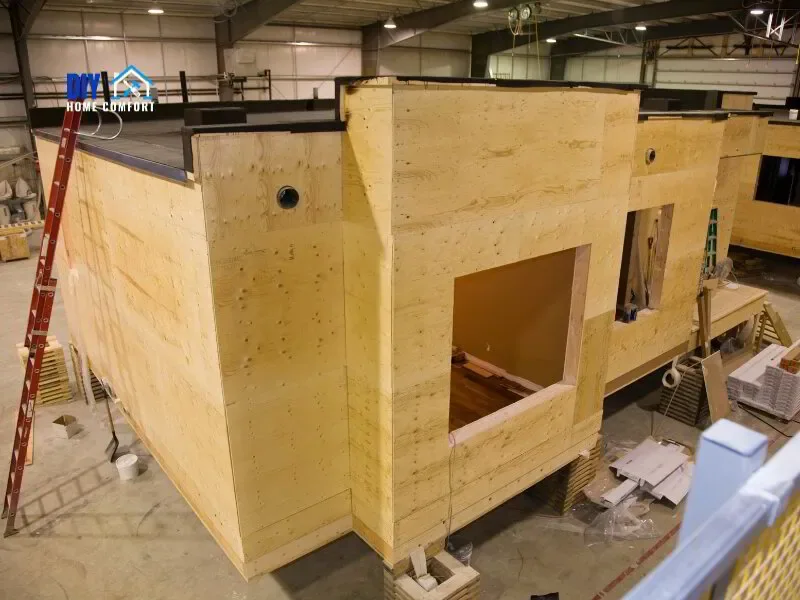
One of the most visible signs of supply chain modernization is the growing use of prefabricated and modular materials. What used to take a team of contractors days to build on-site can now arrive ready for assembly.
Think: wall panels with insulation already installed, pre-tiled shower units, or even full kitchen units delivered and installed like furniture.
What’s driving it?
- Centralized manufacturing reduces labor costs and quality control issues.
- Predictable assembly speeds up scheduling for contractors.
- Fewer weather-related delays compared to outdoor builds.
Benefits:
- Homeowners enjoy faster turnarounds and more accurate budgeting.
- Contractors spend less time coordinating tradespeople and more time completing jobs.
✅ Fun fact: In some urban areas, entire ADUs (accessory dwelling units) can be delivered as flat-packs and built in under two weeks, a significant shift for the home improvement sector and a response to supply chain operations and lead times challenges.
Customization at Scale with On-Demand Manufacturing
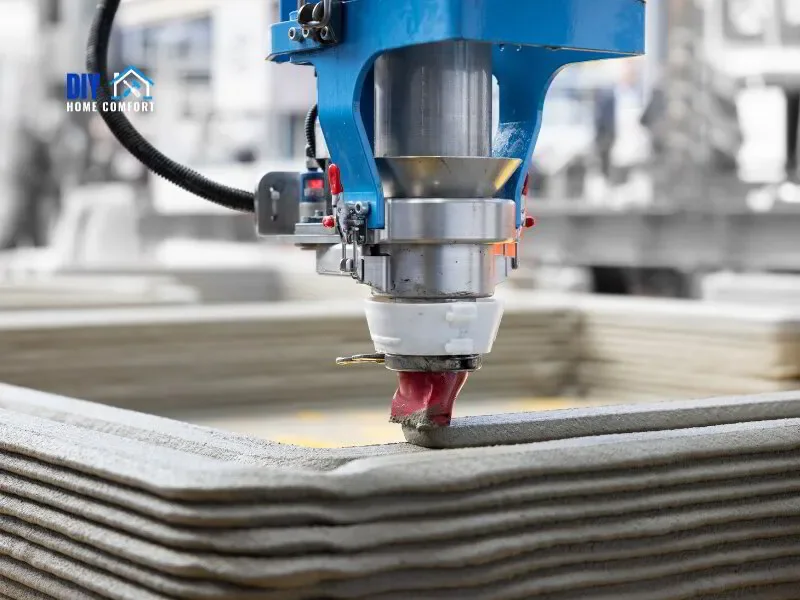
Supply chain tech speeds things up and makes customization easier. Thanks to advances in digital fabrication, such as CNC machining, laser cutting, and 3D printing, it’s now possible to offer semi-custom features without the full custom price tag.
What’s changing:
- You can now order closet systems, built-ins, or cabinetry tailored to your space, without waiting months.
- Manufacturers use cloud-based systems to queue up one-off jobs and ship them directly to the site, reducing excess inventory and improving operational efficiency.
This shift is helping reduce reliance on manual processes and legacy systems that have long plagued the home improvement retail industry.
This “mass customization” type used to be reserved for high-end builders. Thanks to streamlined supplier workflows, it’s trickling down to everyday home improvement.
Circular Supply Chains and Sustainable Sourcing
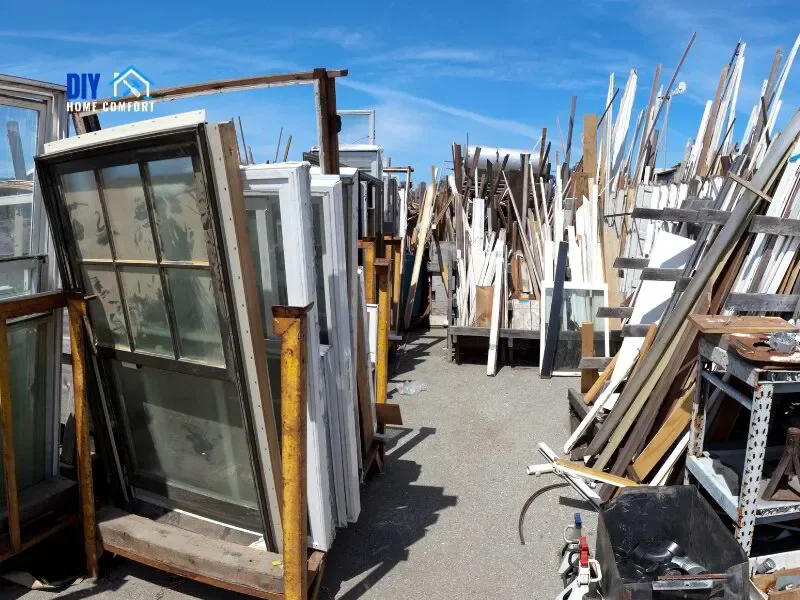
Eco-conscious homeowners and builders aren’t just talking about sustainability anymore; they’re building with it. The modern supply chain is evolving into a circular model, where waste is minimized, materials are reused, and sourcing is transparent.
What this looks like:
- Suppliers now offer recycled or reclaimed wood, low-VOC paints, and repurposed countertops.
- Some manufacturers are reclaiming off-cuts from jobs and feeding them into the production cycle.
For contractors:
- It’s easier to meet LEED or Energy Star requirements.
- You can offer sustainability as a differentiator to win bids.
For homeowners:
- You reduce your environmental impact without sacrificing design.
- Local sourcing often leads to shorter lead times and lower transport costs, a growing trend in the home improvement retail industry.
✅ PRO TIP: Ask your supplier or contractor where materials come from; it’s no longer just an ethical question but a strategic one for ensuring product availability and aligning with shifting customer preferences.
Digital Supply Chains Are Empowering Homeowners
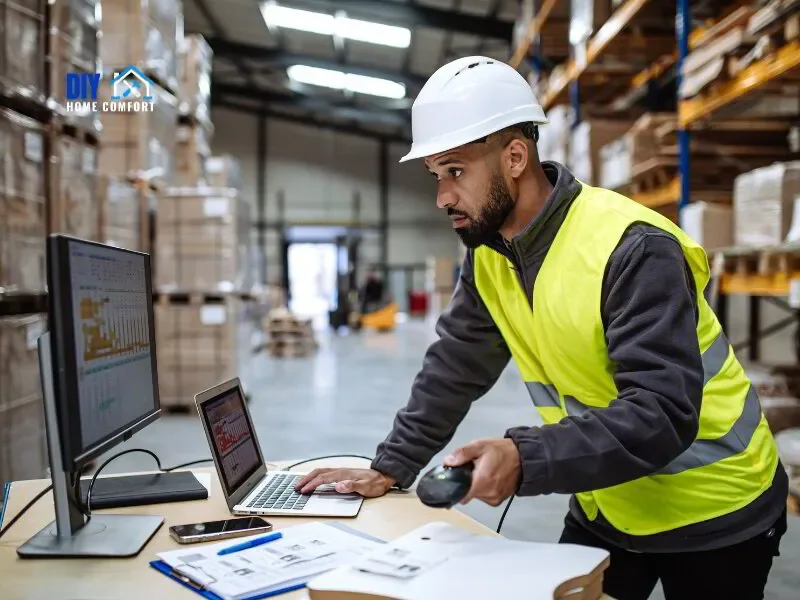
Today’s homeowner expects transparency, and digital tools are delivering it.
Apps, APIs, and digital dashboards are allowing clients to:
- Track when items are ordered, shipped, and delivered.
- Compare real-time stock between multiple suppliers.
- Get instant updates on substitutions or delays.
This digital transformation in the supply chain puts the homeowner in the loop rather than at the mercy of vague contractor updates.
For contractors:
- Digital coordination reduces miscommunication with vendors and clients alike.
- Software integrations (like Procore, Buildertrend, or CoConstruct) simplify materials tracking and improve inventory management.
- Machine learning and AI algorithms are being used to enhance demand forecasting, reduce stockouts, and even flag potential empty shelves or excess stock before they become a problem.
✅ Bonus: Some home improvement retailers now allow you to reserve materials online and schedule job-site deliveries directly, no more hauling bulky items in the back of your truck. Online shopping, online orders, and in-store pickups are now integrated seamlessly thanks to supply chain innovation in home improvement.
Subscription-Based and On-Demand Delivery for Contractors
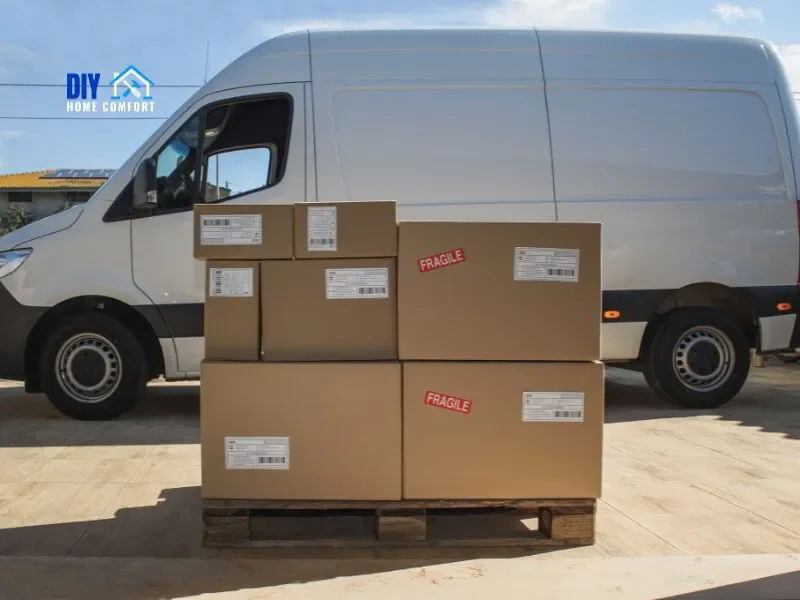
A new crop of supply chain startups is creating on-demand delivery platforms tailored to the home improvement space. Think Instacart, but for building materials.
Platforms like BuildClub and Site Dropp offer same-day or next-day delivery of essentials like:
- Drywall
- Lumber
- Screws and fasteners
- Paint
These services reduce the need to pause projects for supply runs and give small contractors the kind of speed previously reserved for large commercial crews.
Benefits:
- Time savings = more billable hours.
- Reduces crew downtime while waiting for materials.
- Improves customer satisfaction with fewer project stalls.
This shift is also helping home improvement retail meet rising demand for instant service and a better customer experience. Companies like Home Depot are in charge of new technologies powered by platforms such as Google Cloud.
📈 What It Means for Your Next Project
Whether you're planning a kitchen renovation or outfitting a new rental property, supply chain innovation in home improvement is making it all faster, more affordable, and more personalized.
If you're a homeowner:
- Be proactive about materials, ask where they come from and how long they’ll take to arrive.
- Embrace prefab and modular options if you're on a tight timeline.
- Use apps or dashboards to stay informed throughout the project.
If you're a contractor:
- Stay current on which suppliers offer digital tools and prefab solutions.
- Reduce risk by building buffer time for logistics, even with better tracking.
- Use supply chain efficiency as a competitive edge in your bids.
Today's home improvement projects require smarter planning and better coordination than ever before. That means working closely with suppliers, using data to make better purchasing decisions, and focusing on customer satisfaction to drive business growth.
Conclusion: Why Supply Chain Innovation in Home Improvement Matters
As the construction and remodeling industries evolve, supply chain innovation in home improvement is no longer just a back-end advantage; it’s front and center in shaping what’s possible for homeowners and contractors.
From smarter logistics and reduced lead times to digital dashboards and data-driven demand forecasting, improvements in supply chain processes are redefining how home improvement projects are completed.
The bottom line? Embrace the change. The smarter the supply chain operations are, the smoother the renovation is, and the higher the customer satisfaction.
📘 Related Reading: Mastering Renovation Project Management: A Step-by-Step Guide

Russell Jones
Russell is a home improvement expert and part-owner of Vernon Air Conditioning, Plumbing & Electrical Services. As a guest writer for DIY Home Comfort, he shares practical and innovative strategies to help homeowners enhance comfort and contractors improve business outcomes through smarter, more efficient practices.