35 Types of House Plants for Different Rooms
Compare 35 types of house plants by light, space and watering. Find botanical names, care starting points and a link to check pet toxicity.
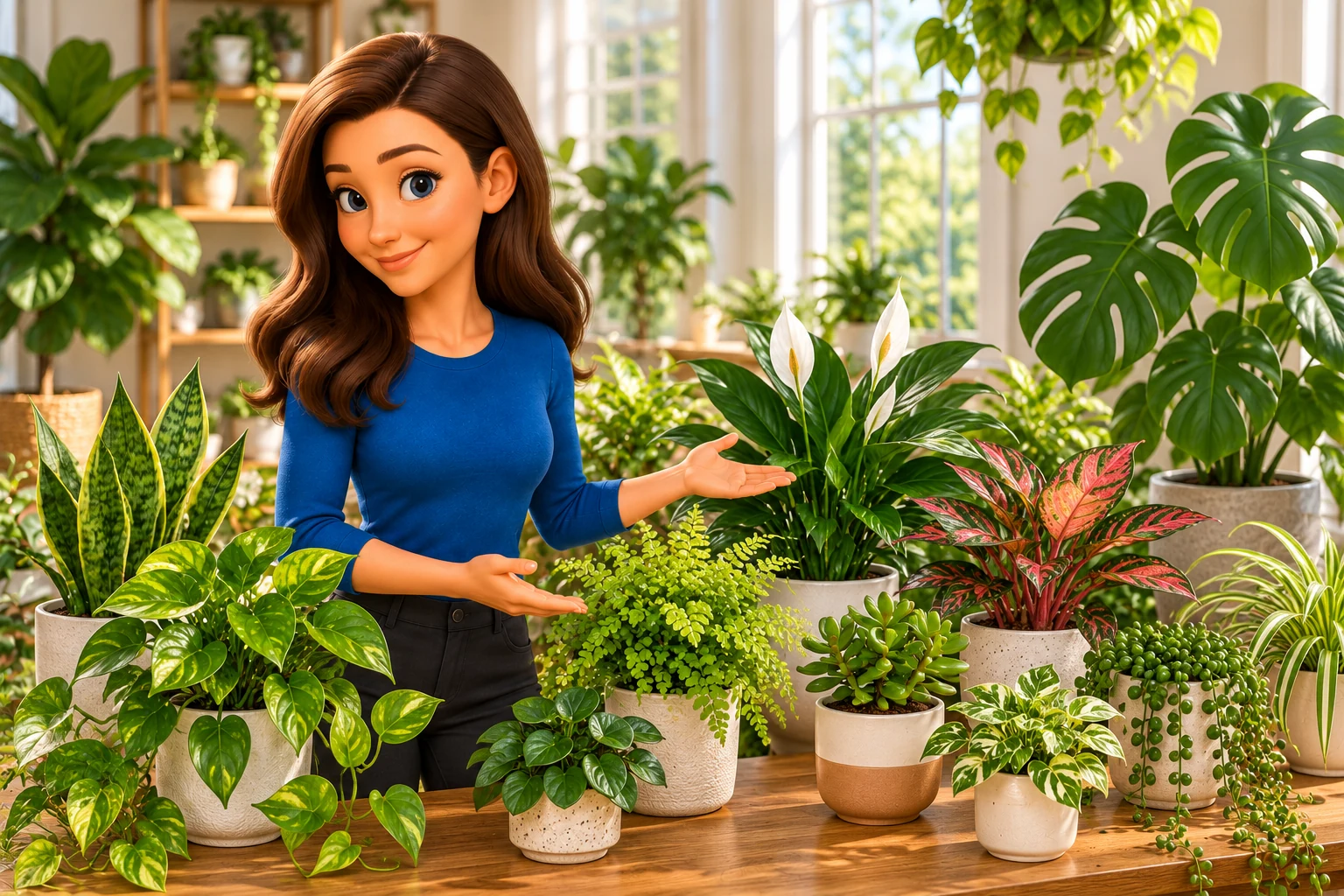
Compare 35 types of house plants by the light you have, how much space you can give them and how often you want to check the pot. Use the botanical name on the tag so you can check care and pet toxicity for the actual plant.
Start with light, space and watering
- Light: Look at where the plant will sit and how long the spot gets direct light. For help judging it, see University of Minnesota Extension’s indoor plant lighting guide.
- Space: Check how wide the plant and pot may get. Give trailing stems room to hang or climb.
- Water: Choose a pot that drains. Check how dry the mix is before you water.
Houseplants and indoor air
Choose plants for their foliage and flowers. In a typical home, ordinary potted plants do not clean the air at a useful rate. For indoor air concerns, focus on reducing pollution sources and providing ventilation where appropriate. See EPA guidance on indoor air pollution.
Check pet toxicity before you buy
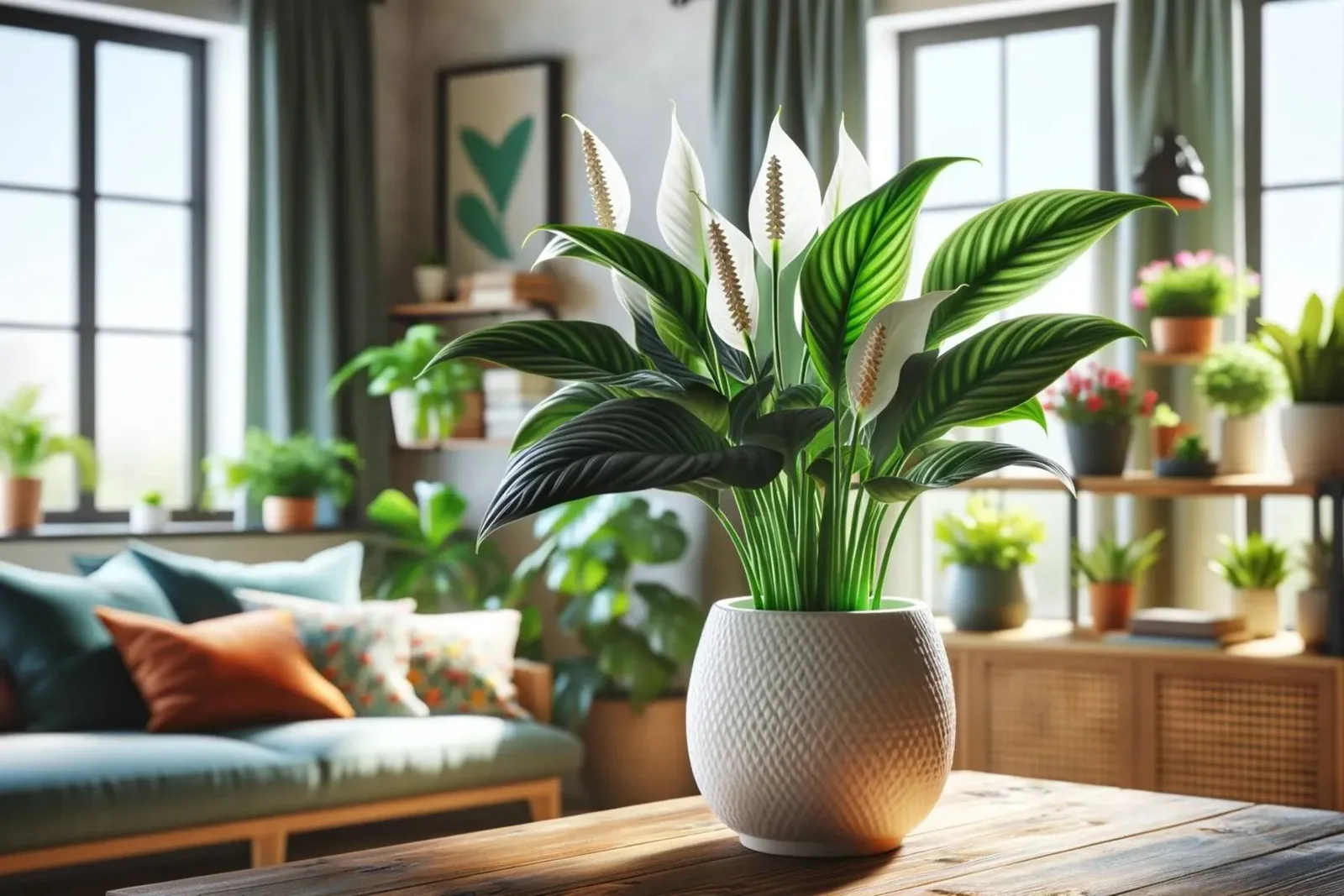
Some plants in this guide, including snake plant and peace lily, are listed as toxic to cats. Check the exact botanical name in the ASPCA plant list for cats. For verified choices and look-alikes, see our cat safe plants guide.
Trailing and climbing plants
Choose a hanging basket for trailing growth or a support for stems you want to train upward. Leave enough clearance to take the pot down and water it without dripping onto furniture.
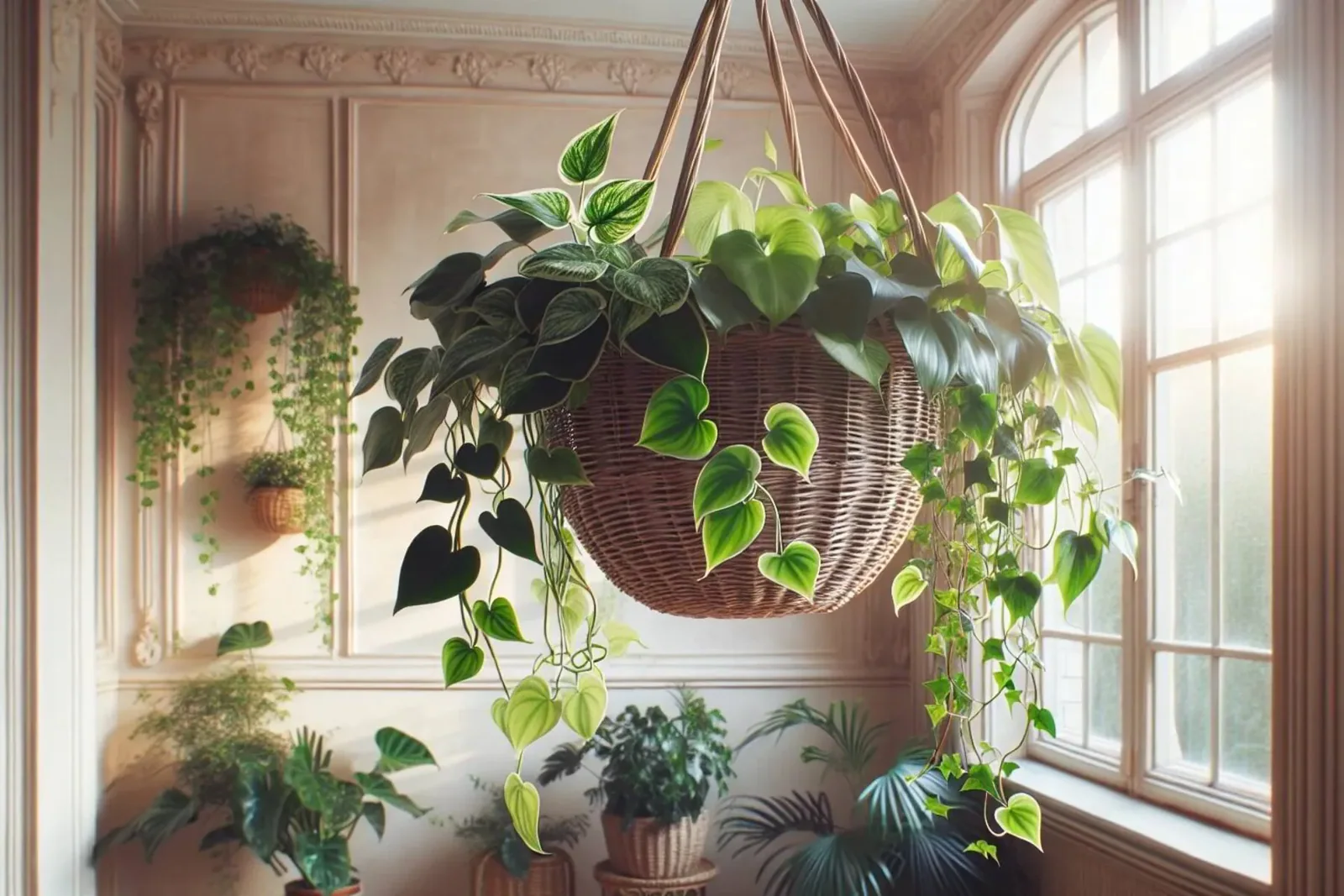
- Golden pothos (Epipremnum aureum). Indirect light. Let the top of the mix dry.
- Heartleaf philodendron (Philodendron hederaceum). Indirect light. Give its trailing stems room.
- English ivy (Hedera helix). Bright, indirect light. Check the mix often.
- Satin pothos (Scindapsus pictus). Bright, indirect light. Let the upper mix dry.
- String of hearts (Ceropegia woodii). Bright light. Use a draining mix and water after it dries.
- Arrowhead vine (Syngonium podophyllum). Filtered light. Keep the mix lightly moist with drainage.
Succulents for bright spots
Start near a bright window and make changes gradually. Check the whole pot before adding water. A shallow pot on a warm sill can dry faster than a larger pot in the same room.
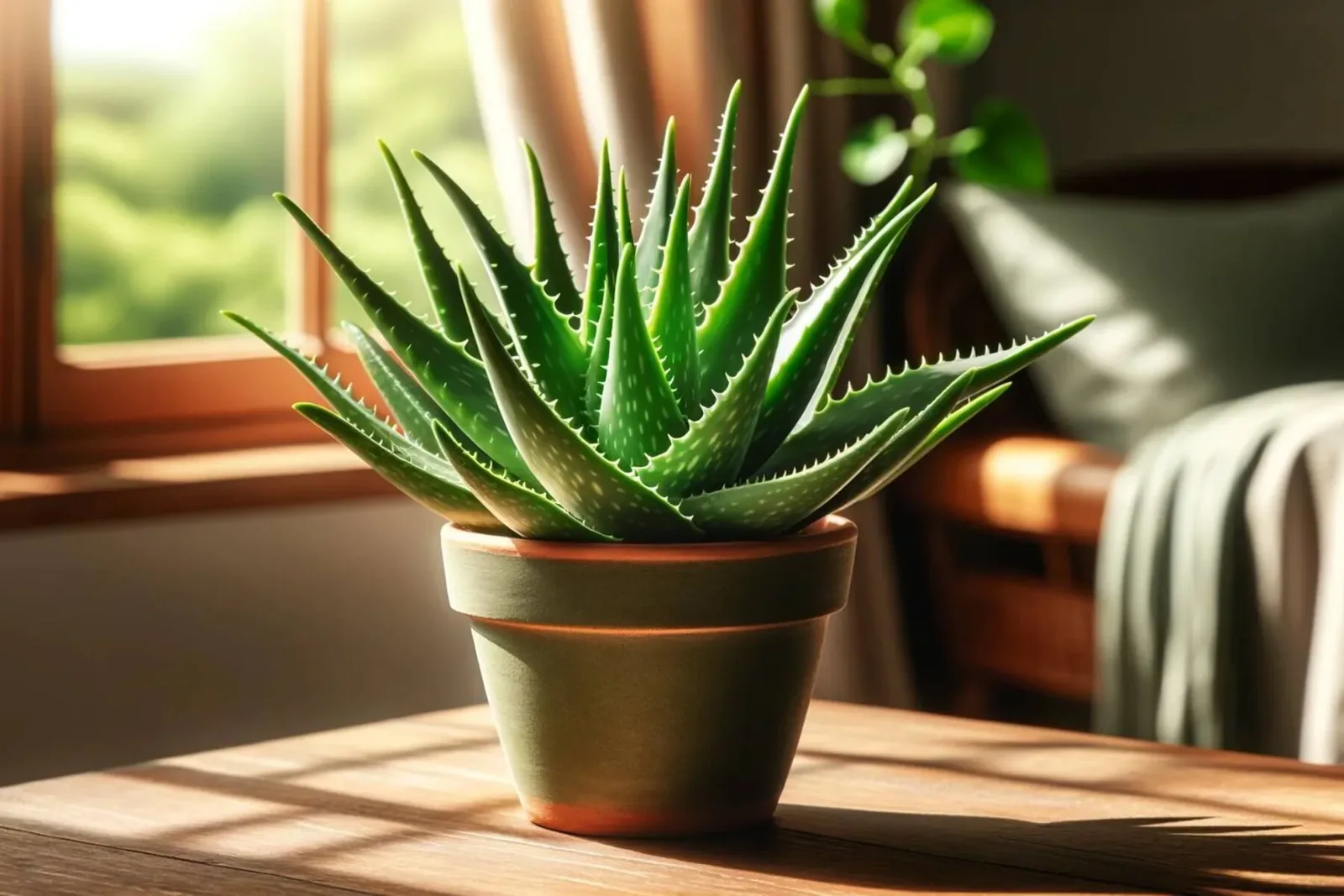
- Aloe (Aloe vera). Bright light. Let the mix dry before watering.
- Jade plant (Crassula ovata). Bright light. Use a draining mix and water after it dries.
- String of pearls (Curio rowleyanus). Bright light. Check the mix before watering.
- Florist kalanchoe (Kalanchoe blossfeldiana). Bright light. Let the upper mix dry.
- Zebra haworthia (Haworthia fasciata). Bright, filtered light. Let the mix dry.
Foliage for different light levels
A plant that tolerates lower light still needs light to grow. If you’re choosing for a dim room, compare cast iron plant with the brighter spot a spider plant prefers.
A spider plant and a snake plant are different. The spider plant has arching leaves and can grow hanging offsets. The snake plant has stiff upright leaves and is also sold as Sansevieria.
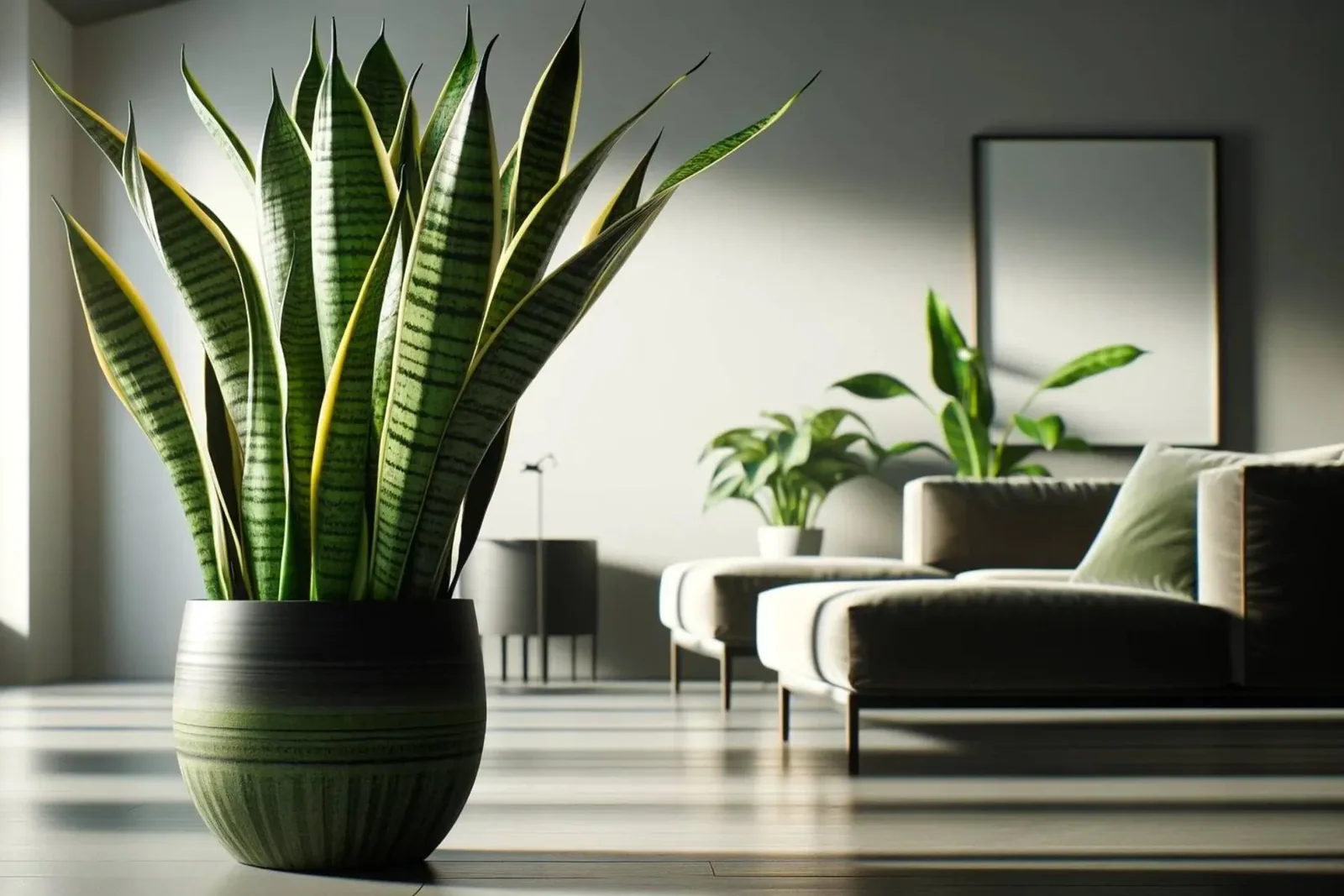
- Spider plant (Chlorophytum comosum). Bright, indirect light. Let the surface start to dry.
- Snake plant (Dracaena trifasciata). Indirect light. Let the mix dry. Often sold as Sansevieria.
- Boston fern (Nephrolepis exaltata ‘Bostoniensis’). Filtered light. Check the mix frequently and keep it evenly moist.
- Cast iron plant (Aspidistra elatior). Lower indirect light. Let the upper mix dry.
Tropical foliage
Large leaves can make one plant a focal point. Check the mature spread before putting it in a hallway, and keep the pot away from drafts or a heat register.
- Swiss cheese plant (Monstera deliciosa). Bright, indirect light. Give its leaves and stems room.
- Rubber plant (Ficus elastica). Bright, indirect light. Let the upper mix dry.
- Peace lily (Spathiphyllum spp.). Indirect light. Keep the mix lightly moist with drainage.
- Prayer plant (Maranta leuconeura). Filtered light. Water before the mix dries completely.
Plants for small spaces
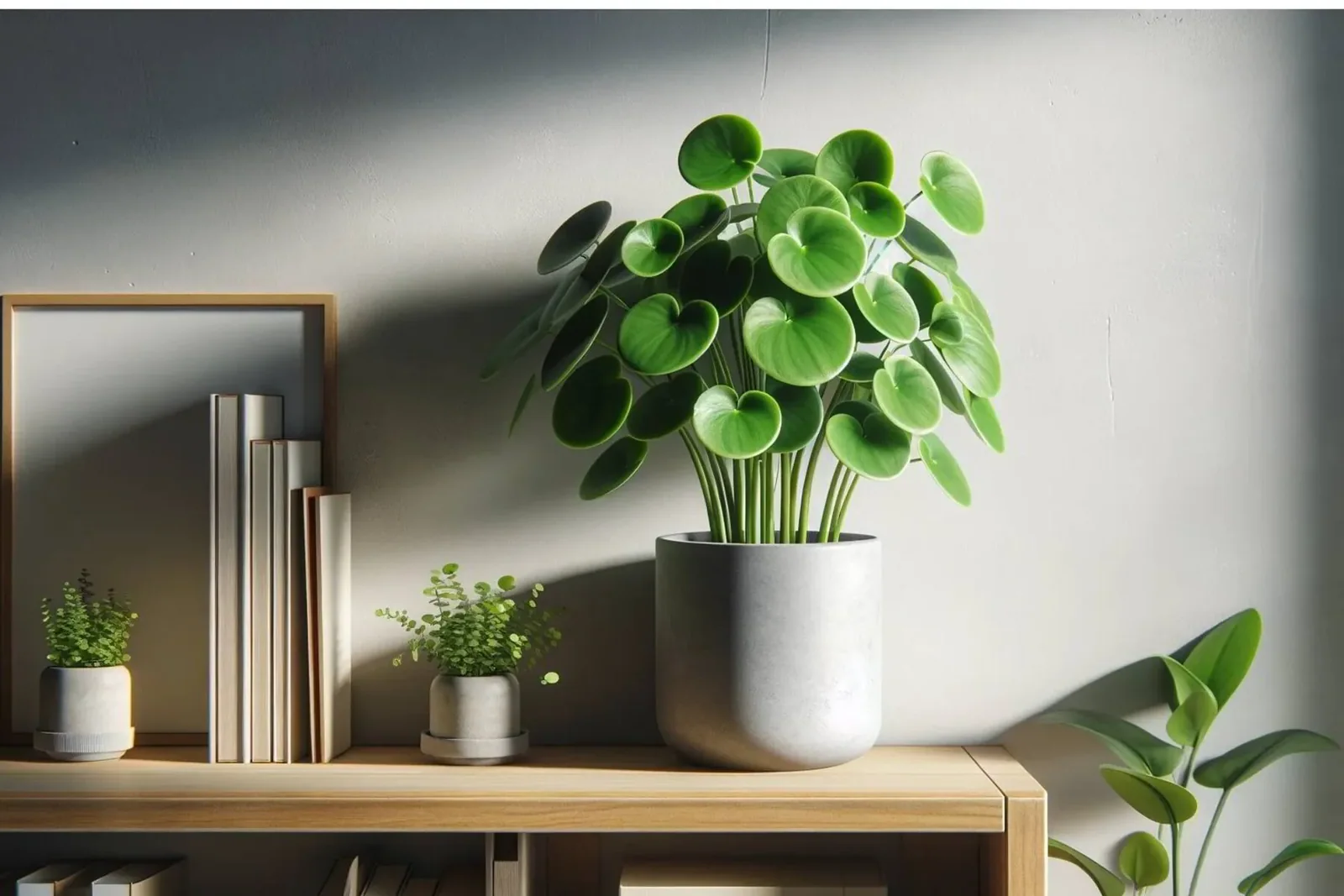
Start with a compact plant on a shelf you can reach easily. A trailing plant may take up little shelf space but still needs clearance below it.
- ZZ plant (Zamioculcas zamiifolia). Indirect light. Let the mix dry before watering.
- Chinese money plant (Pilea peperomioides). Bright, indirect light. Let the surface start to dry.
- Baby rubber plant (Peperomia obtusifolia). Filtered light. Let the upper mix dry.
- Sweetheart hoya (Hoya kerrii). Bright, indirect light. Let the mix partly dry.
Flowering houseplants
Flowering houseplants need enough light for their type. Check the label before choosing a spot, and use the mix recommended for the plant. Orchid bark and African violet mix serve different roots.
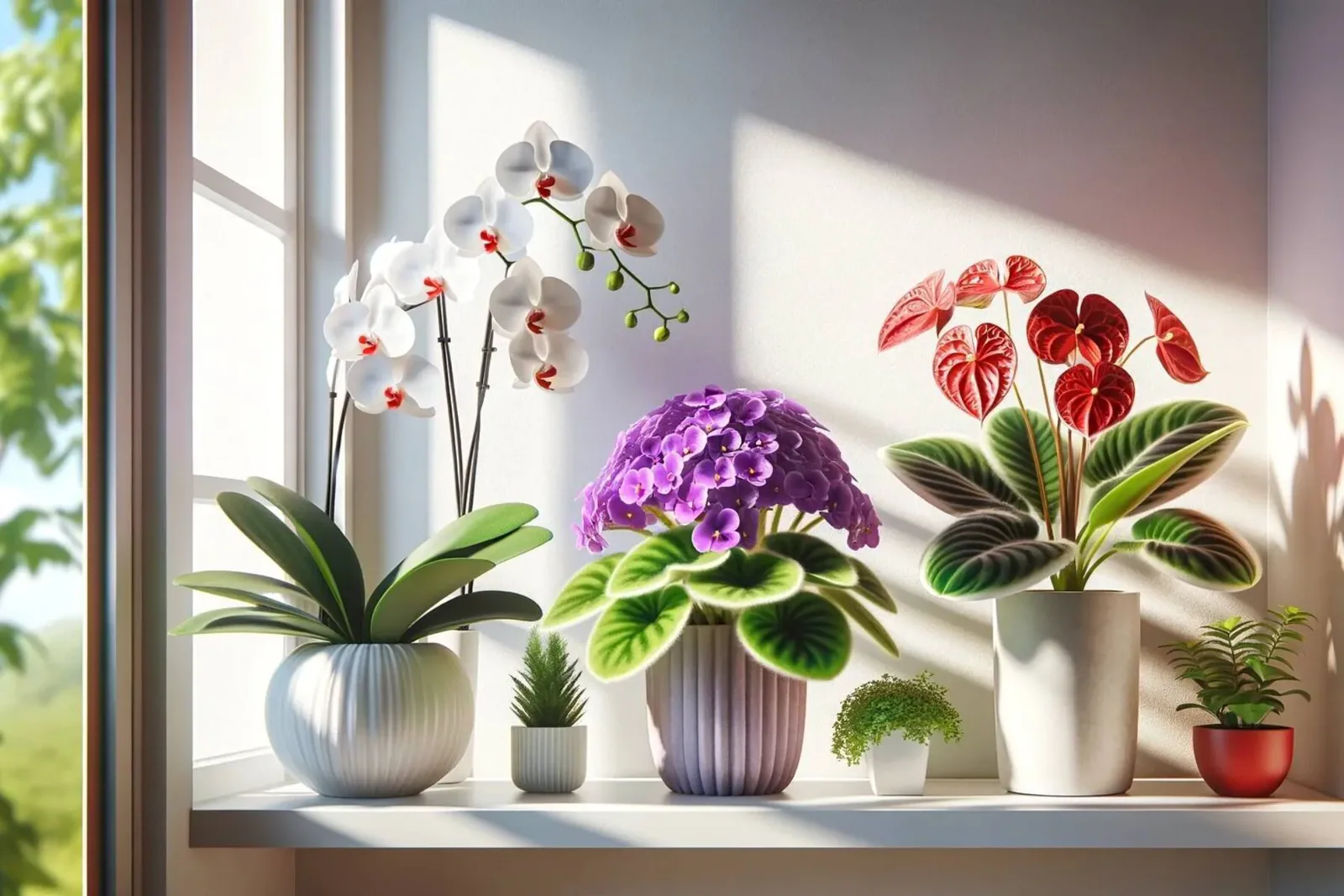
- Moth orchid (Phalaenopsis spp.). Bright, filtered light. Use a draining orchid mix.
- African violet (Streptocarpus ionanthus). Bright, filtered light. Often sold as Saintpaulia.
- Flamingo flower (Anthurium andraeanum). Bright, indirect light. Use a draining mix.
- Christmas cactus (Schlumbergera × buckleyi). Bright, indirect light. Check the mix before watering.
Plants with distinctive foliage
Leaf patterns give you a focal point without relying on blooms. Compare the light and watering needs before grouping plants in one container.
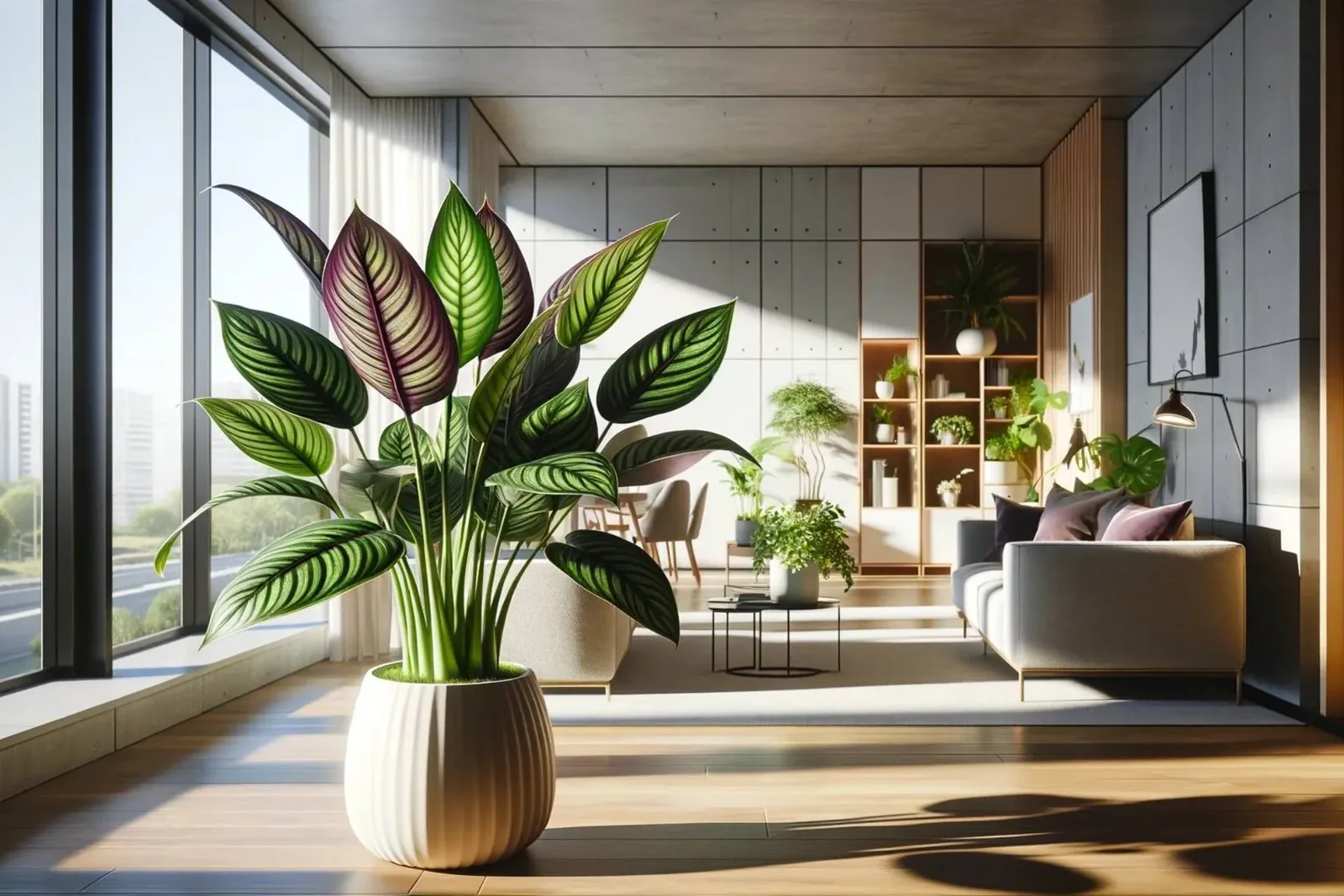
- Zebra plant (Aphelandra squarrosa). Filtered light. Keep the mix lightly moist.
- Rattlesnake calathea (Goeppertia insignis). Filtered light. Often sold as Calathea lancifolia.
- Black velvet alocasia (Alocasia reginula). Filtered light. Use a draining mix and avoid a soggy pot.
Large houseplants
Measure the floor area and height you have, then check whether you can move the pot to water it. Give the leaves room to spread without blocking a door or walkway.
- Fiddle-leaf fig (Ficus lyrata). Bright light. Check moisture before watering.
- Areca palm (Dypsis lutescens). Bright, filtered light. Often listed as Chrysalidocarpus lutescens.
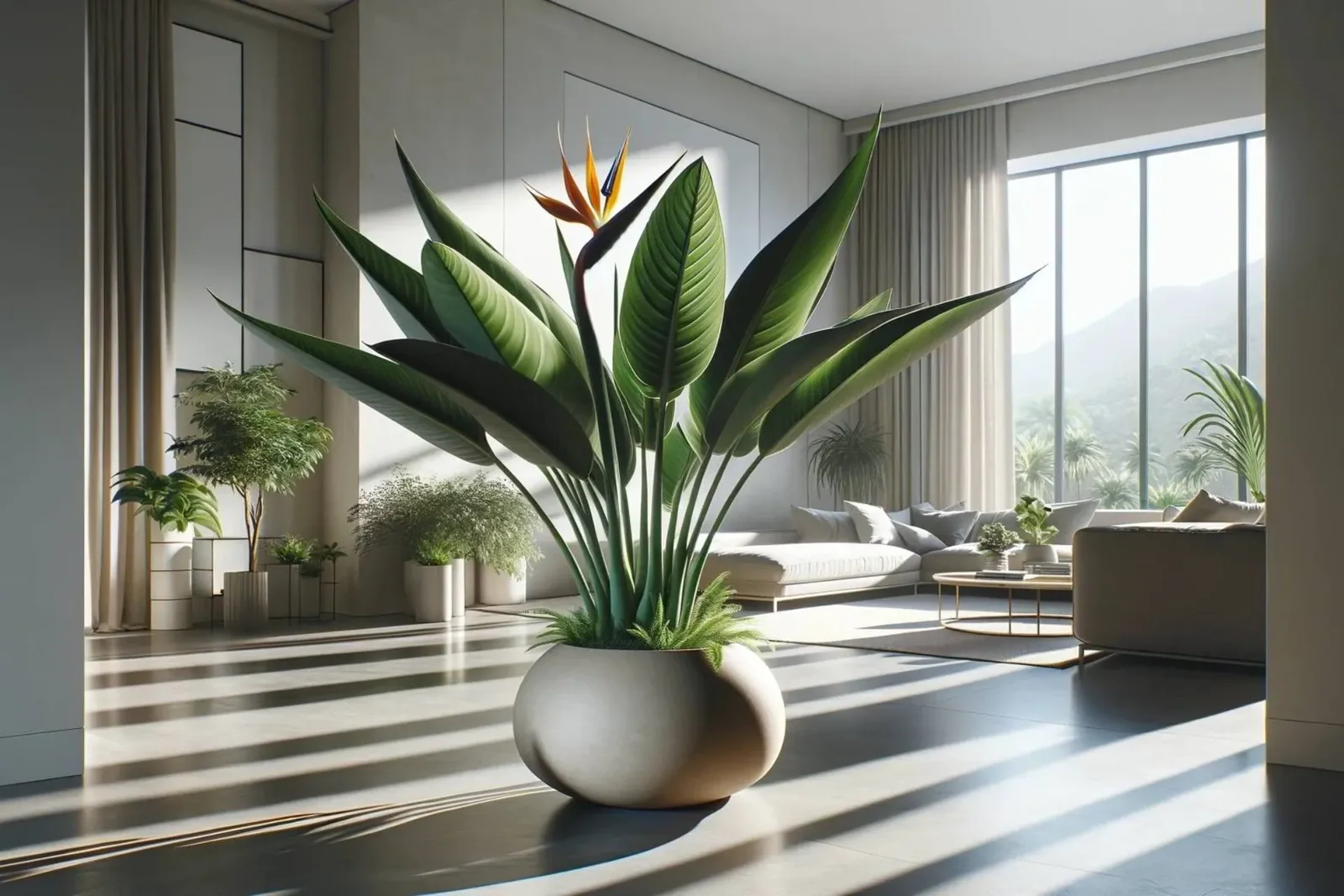
- White bird of paradise (Strelitzia nicolai). Bright light. Check that it has enough floor and overhead space.
Plants for a bright spot and less frequent watering
These choices suit a bright spot if you prefer to water less often. Check the mix before watering, since light, pot size and season all affect how quickly it dries.
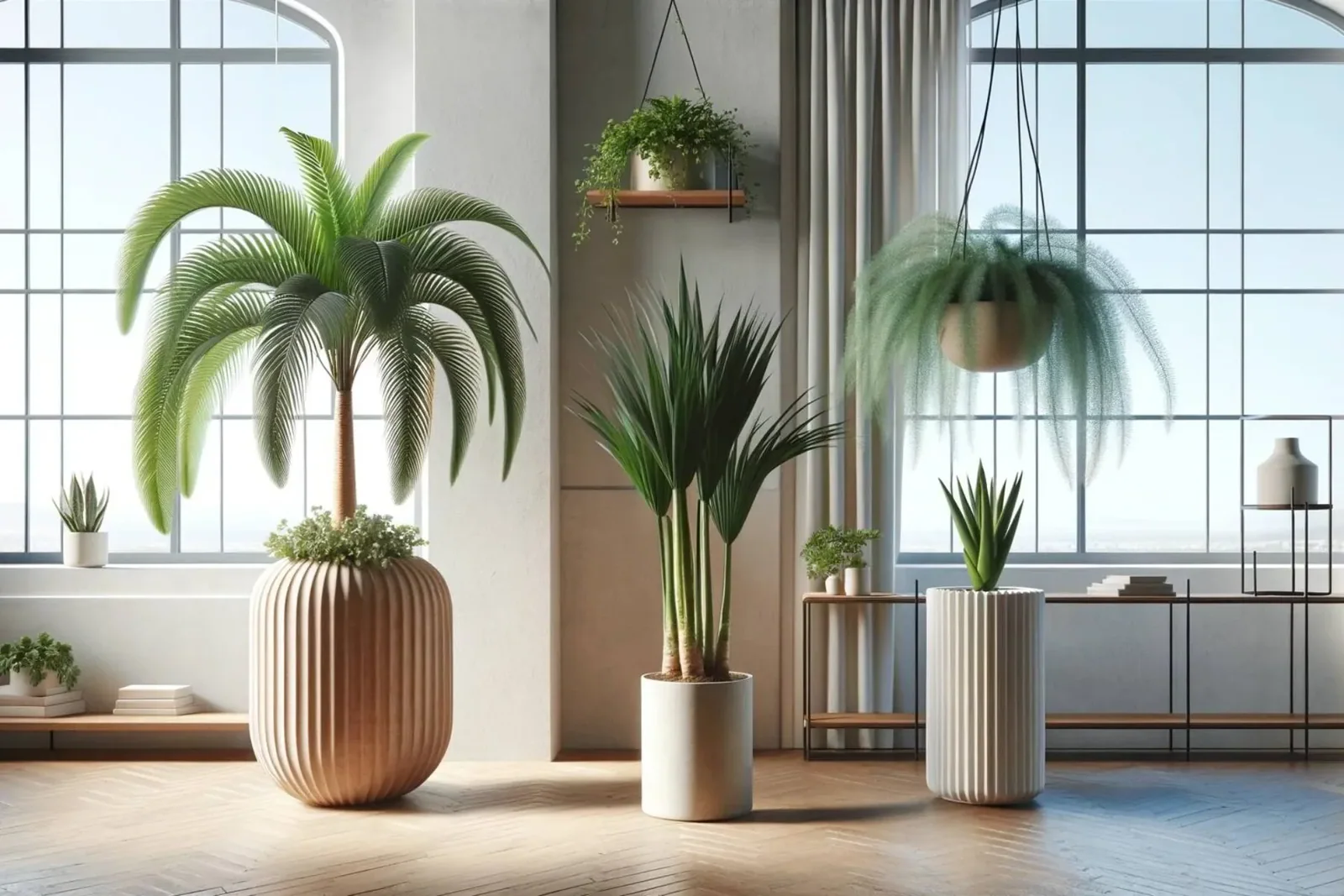
- Ponytail palm (Beaucarnea recurvata). Bright light. Let the mix dry between waterings.
- Spineless yucca (Yucca gigantea). Bright light. Let the mix dry. Often sold as Yucca elephantipes.
Conclusion
Start with one or two plants suited to your room and check how they respond before adding more. Browse our interior design guides for ideas on where to place them.

Lara Harding
Lara is a supporting author @ DIY Home Comfort. She's an experienced interior designer and decorator and a full-time mom. You can find out more about her here.