20 Cat Safe Plants and How to Check the Label
Find 20 plants the ASPCA lists as non-toxic to cats. Check botanical names, avoid look-alikes and choose plants for your room’s light.
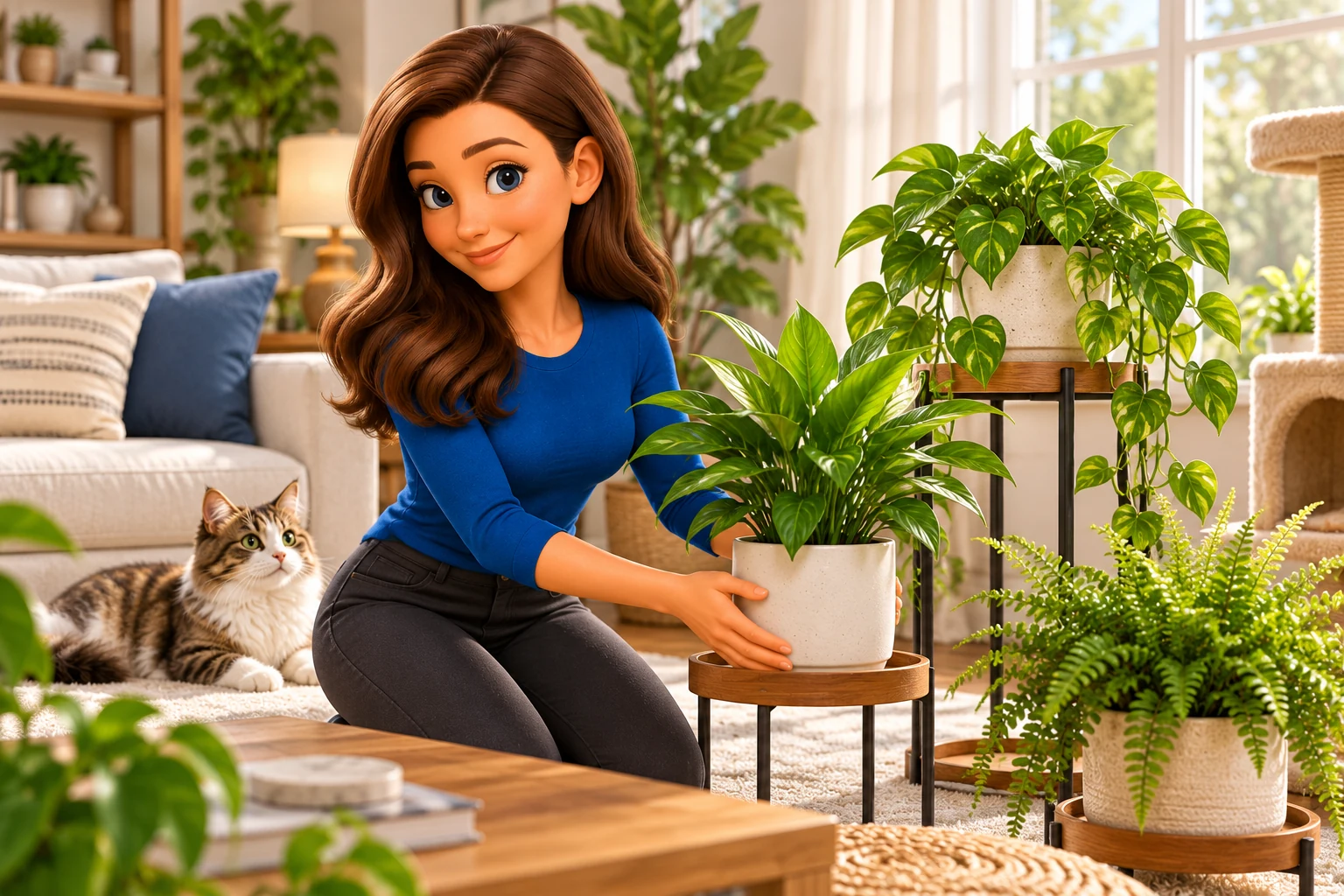
These 20 cat safe plants are listed as non-toxic by the ASPCA under the botanical names shown. Match the label before buying. Keep plants out of chewing reach where you can, since even non-toxic plants can upset a cat’s stomach.
Choose by the botanical name
Names on store tags can be confusing. Use the botanical name to check the ASPCA plant list for cats. Look up each plant in a mixed pot separately.
Check look-alikes and common names
- Spider plant: Look for Chlorophytum comosum. Snake plant is a different plant and is toxic to cats.
- Money plant: Chinese money plant and money tree are listed as non-toxic. Jade is also sold under money plant names and is toxic to cats.
- Palm or fern: Check the species. Sago palm is toxic, and plants sold as asparagus fern are different from Boston fern.
- Holiday plants: Match the botanical name for orchids, bromeliads and holiday cacti. Keep true lilies and daylilies away from cats.
🛑 If your cat may have eaten a toxic or unidentified plant, contact your veterinarian or ASPCA Poison Control right away. Bring the label or a photo of the plant.
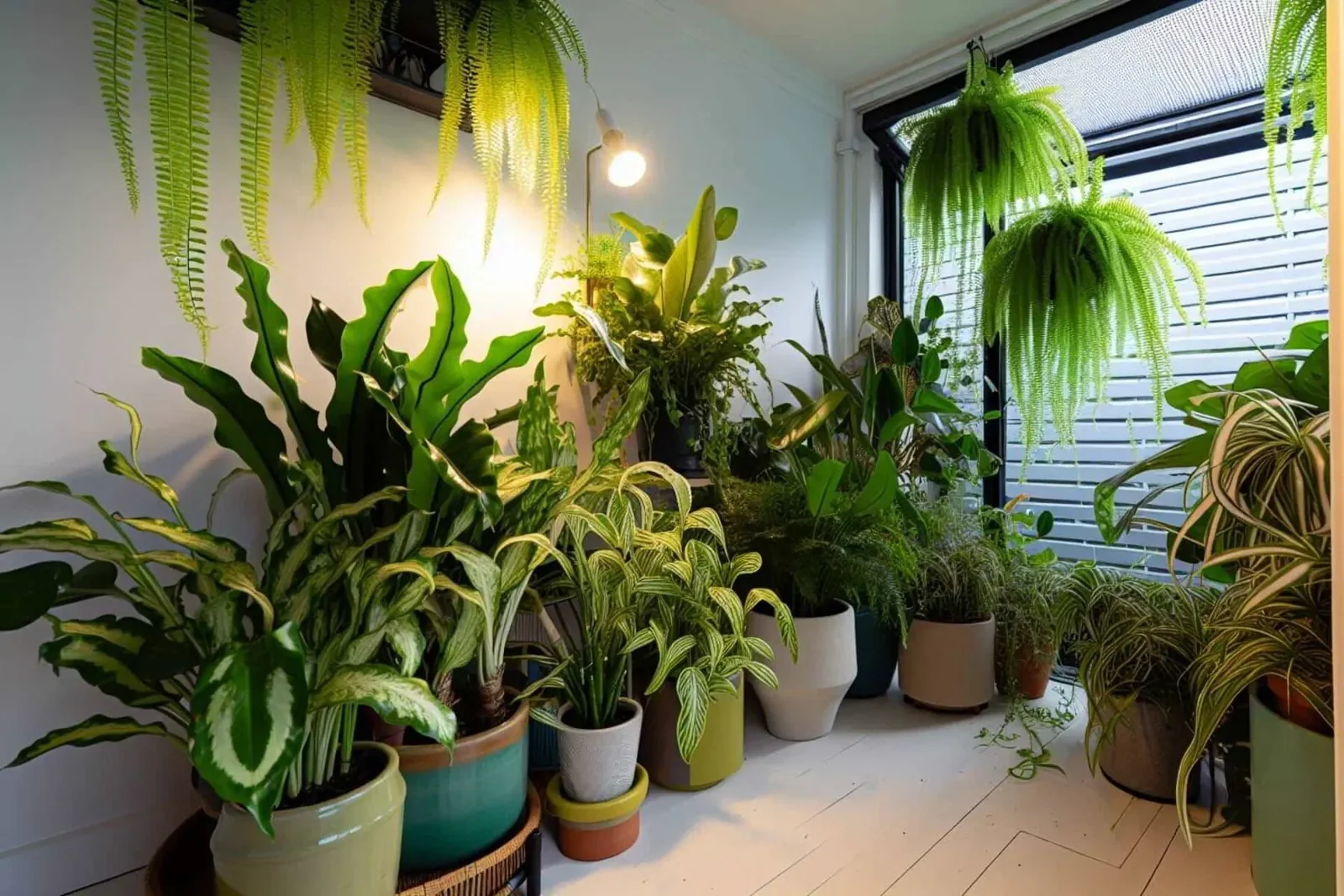
Find a plant for your space
- Compact shelf: Try African violet, Chinese money plant or baby rubber plant.
- Lower light with daylight: Consider cast iron plant or parlor palm.
- Bright spot and infrequent watering: Try ponytail palm or zebra haworthia.
Start with the care tips below and adjust to your room and pot. Check the mix before watering rather than using a fixed calendar.
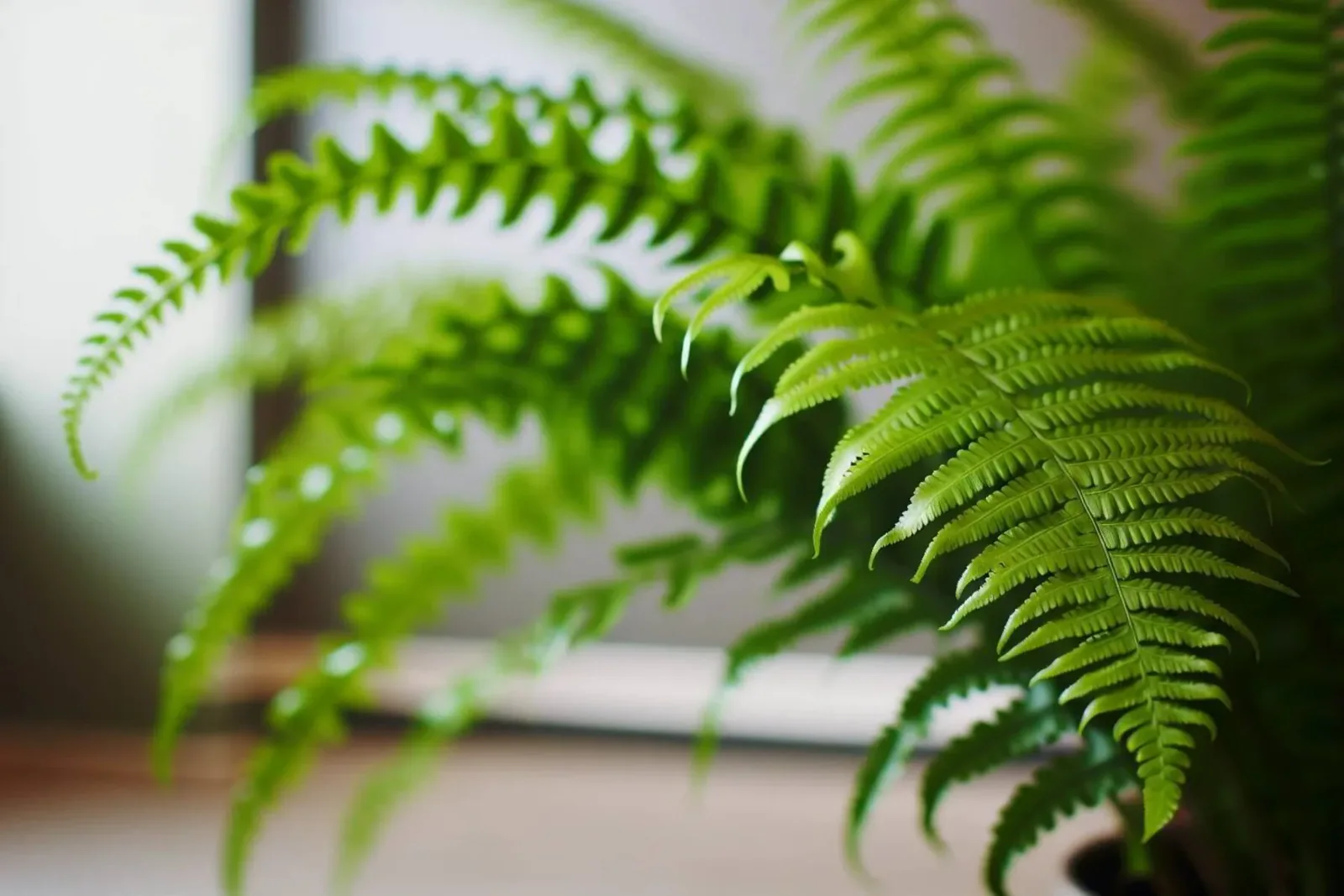
Spider plant
Spider plant (Chlorophytum comosum). Give it bright, indirect light. Let the top of the mix begin to dry before watering.
Its arching leaves and trailing offsets can suit a hanging basket. Put the basket where both the plant and its dangling stems stay clear of your cat.
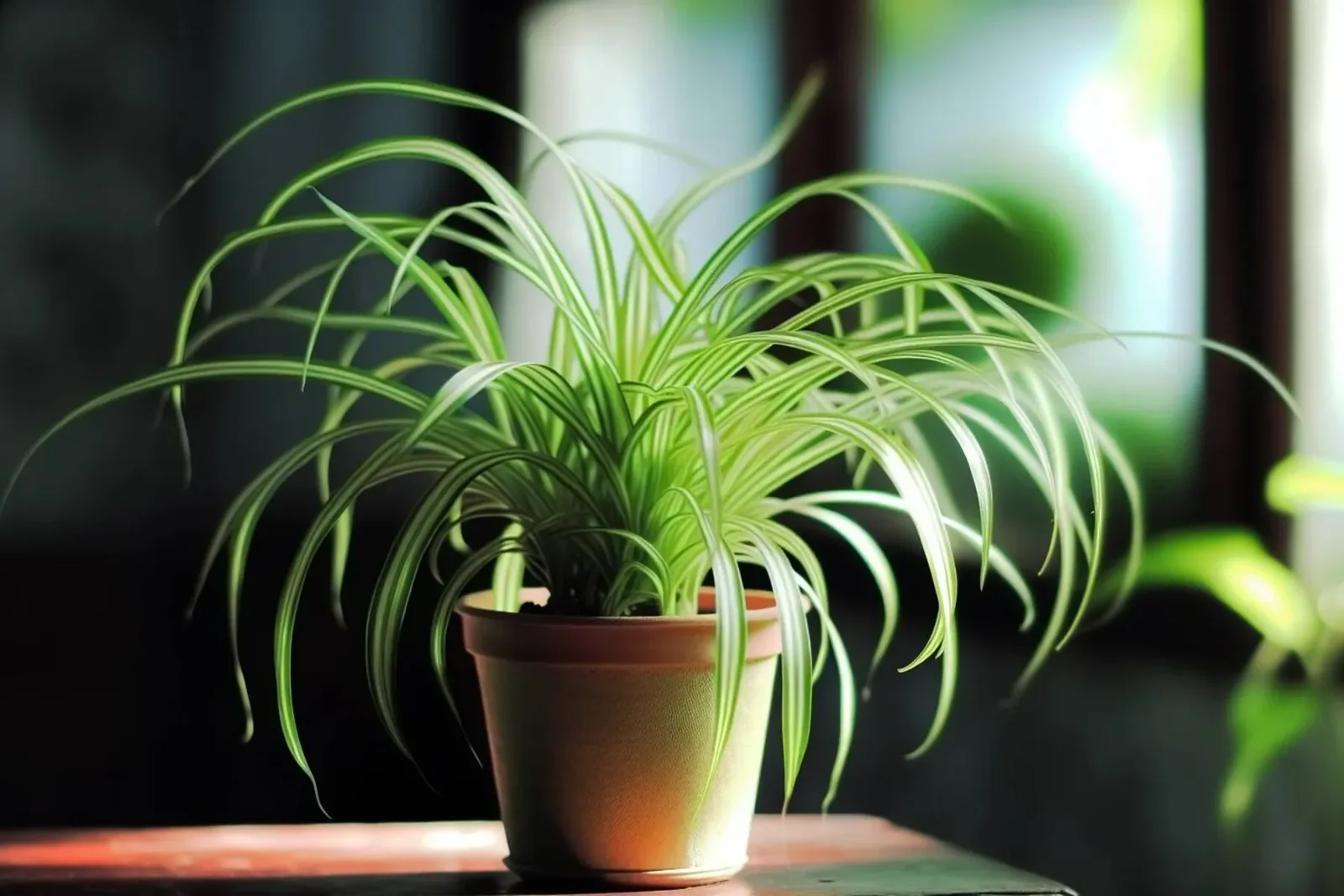
Boston fern
Boston fern (Nephrolepis exaltata ‘Bostoniensis’). Choose filtered light and check the pot regularly. Keep the mix evenly moist with drainage.
A bathroom with filtered daylight can suit a Boston fern. Check the mix more often in a dry room or a small pot.
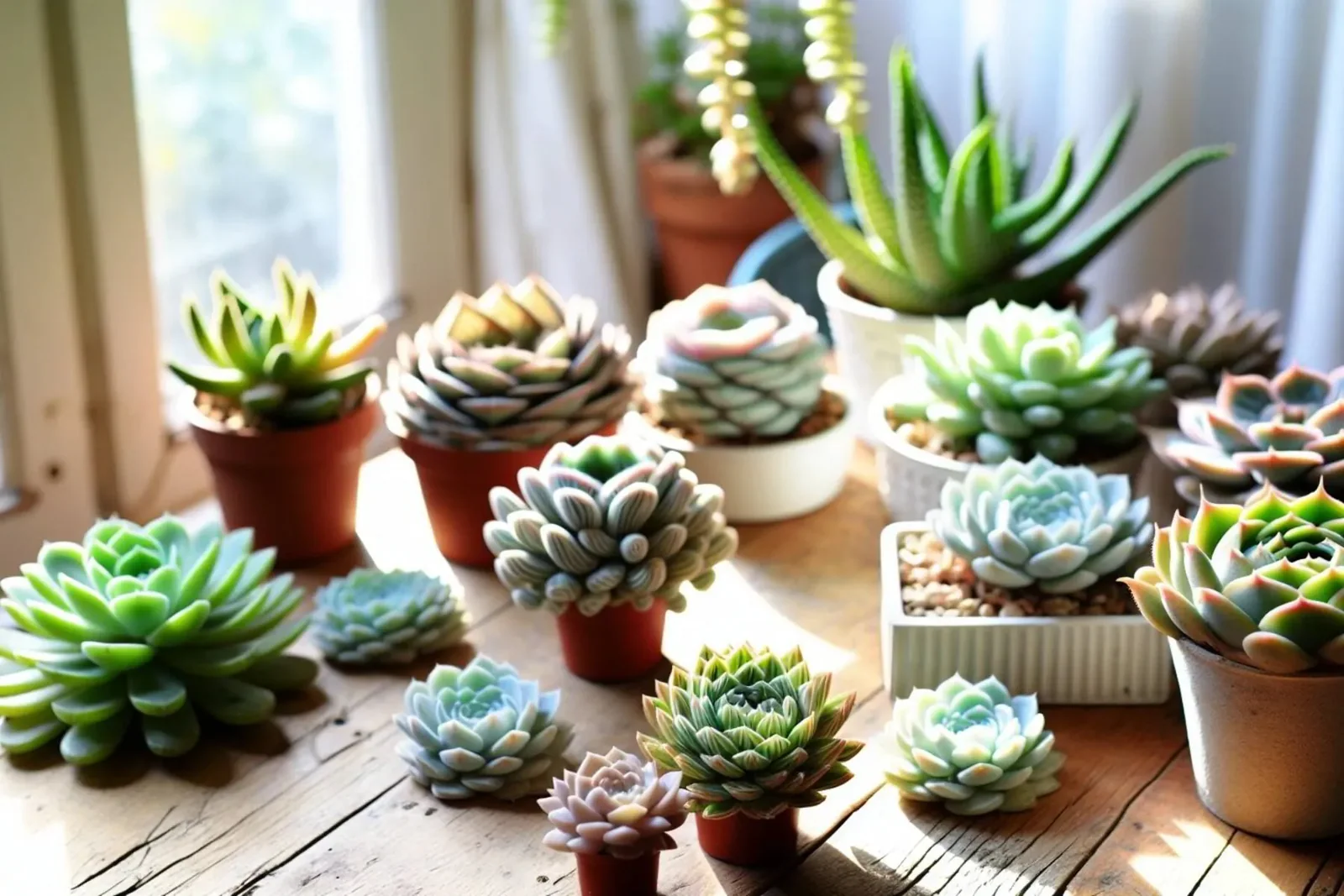
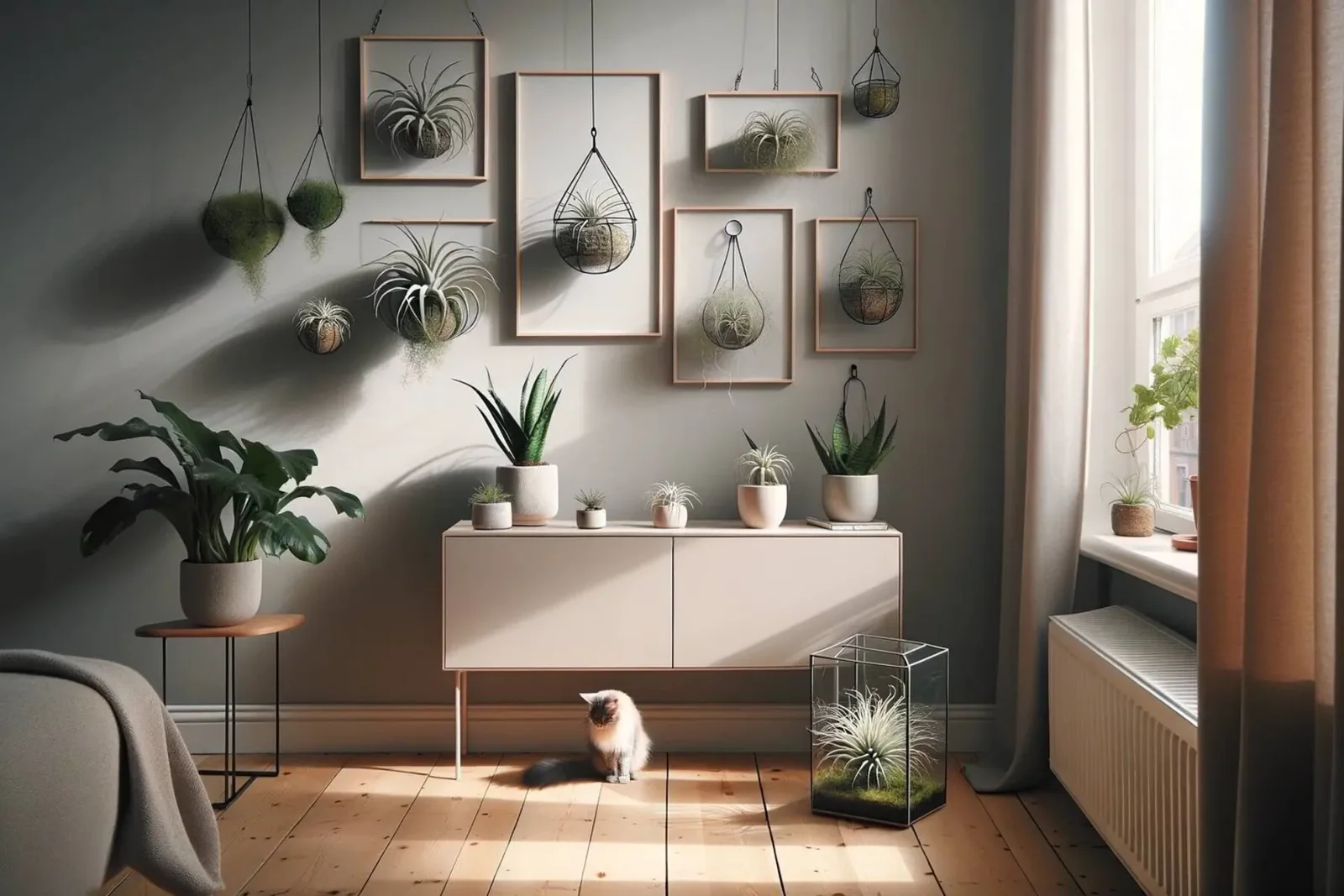
Zebra haworthia and Hens and chicks echeveria
Zebra haworthia (Haworthia fasciata). Use a pot with drainage and let the mix dry between waterings.
Hens and chicks echeveria (Echeveria elegans). Give this rosette bright light and let the mix dry before you water again.
A dry, bright shelf is a better fit for these than a low-light corner. Use separate pots if nearby plants need more frequent watering.
Ponytail palm
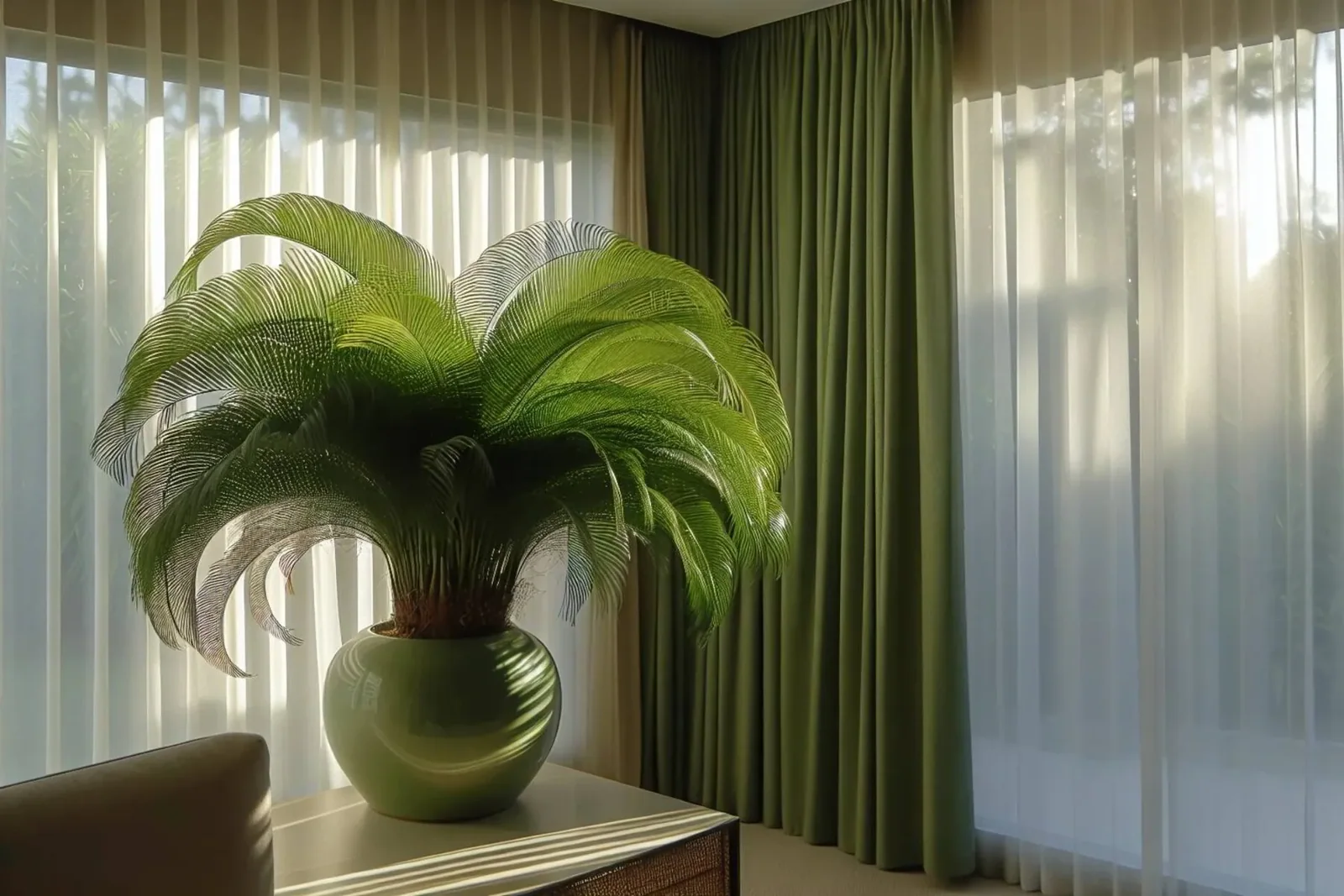
Ponytail palm (Beaucarnea recurvata). Give it a bright spot and let the mix dry between waterings.
Allow space for the arching leaves. Its swollen base stores water, so let the pot drain fully rather than leaving it in a saucer of water.
Swedish ivy
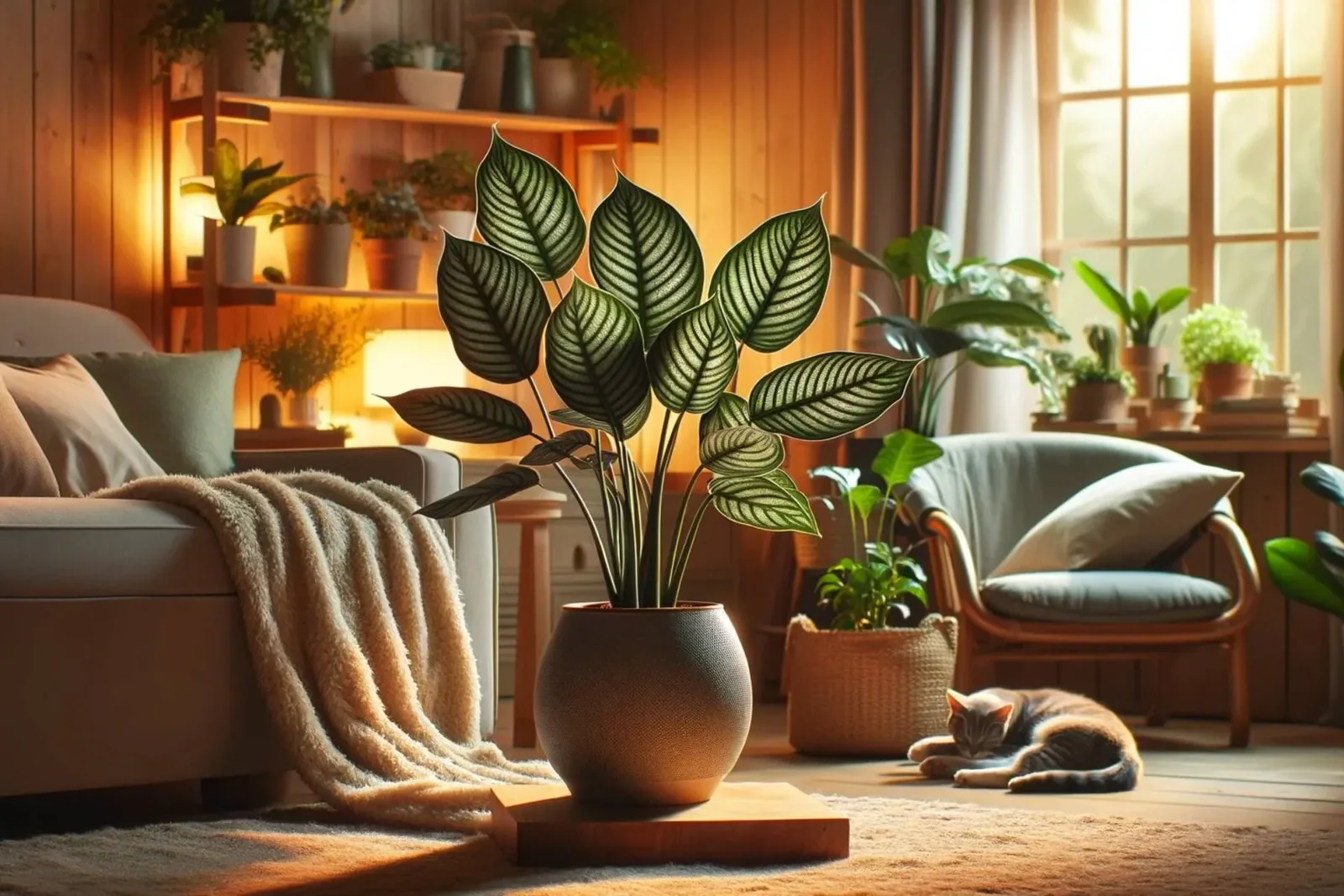
Swedish ivy (Plectranthus australis). Use bright, indirect light and let the upper mix begin to dry.
Parlor palm
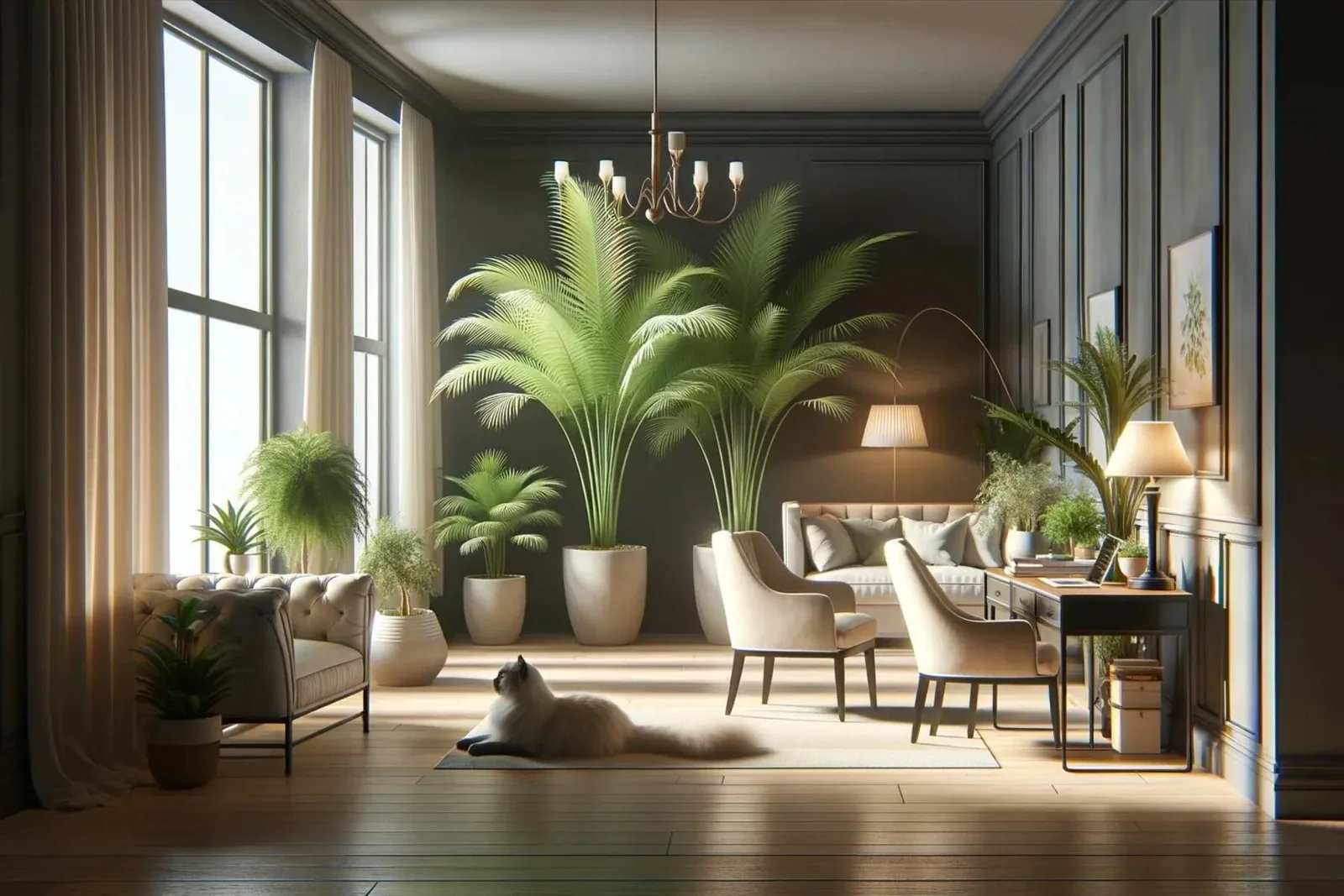
Parlor palm (Chamaedorea elegans). Place it in filtered light and water when the top of the mix begins to dry.
Some listings call this a bamboo palm. Shop by Chamaedorea elegans so you know which plant you’re buying.

Cast iron plant
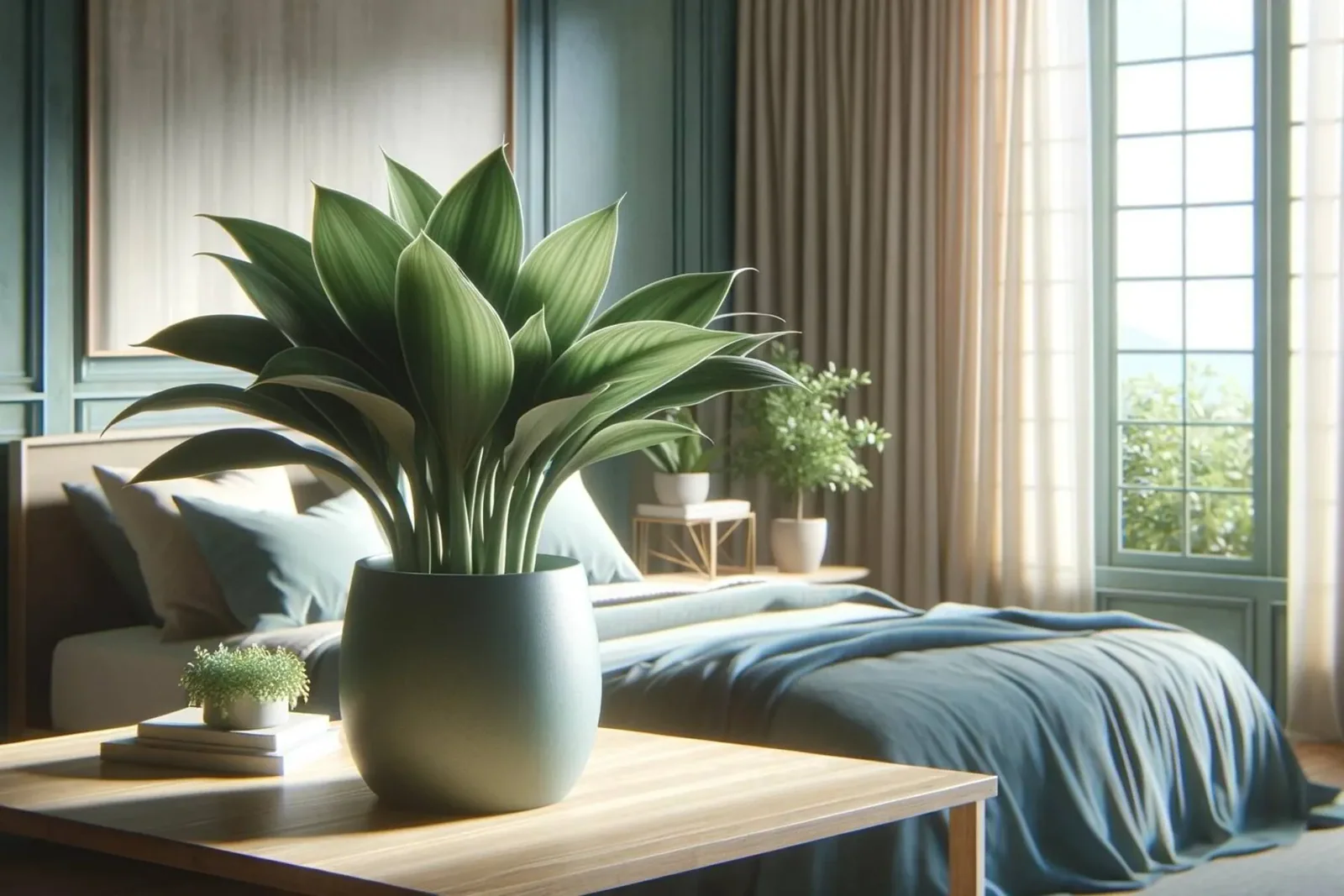
Cast iron plant (Aspidistra elatior). Consider it for a lower-light room with daylight. Let the top of the mix dry between waterings.
Calathea
Calathea (Calathea spp.). Give it filtered light and evenly moist, draining mix. Verify the label because some plants sold as calathea have updated botanical names.

Polka dot plant
Polka dot plant (Hypoestes phyllostachya). Use bright, indirect light and check moisture often in a small pot.
African violet
African violet (Saintpaulia spp.). Give this compact flowering plant filtered light. Water the mix and let the excess drain.
Baby rubber plant
Baby rubber plant (Peperomia obtusifolia). Grow it in indirect light with drainage. Let the upper mix start to dry.
The baby rubber plant is different from the larger rubber tree, Ficus elastica. Shop by the full name if pet safety is your reason for choosing it.
Money tree
Money tree (Pachira aquatica). Use bright, indirect light and allow the upper mix to dry before watering.
The money tree often has a braided trunk and leaves divided into leaflets. The round-leaved Chinese money plant is a different option for a smaller surface.

Moth orchid and Blushing bromeliad
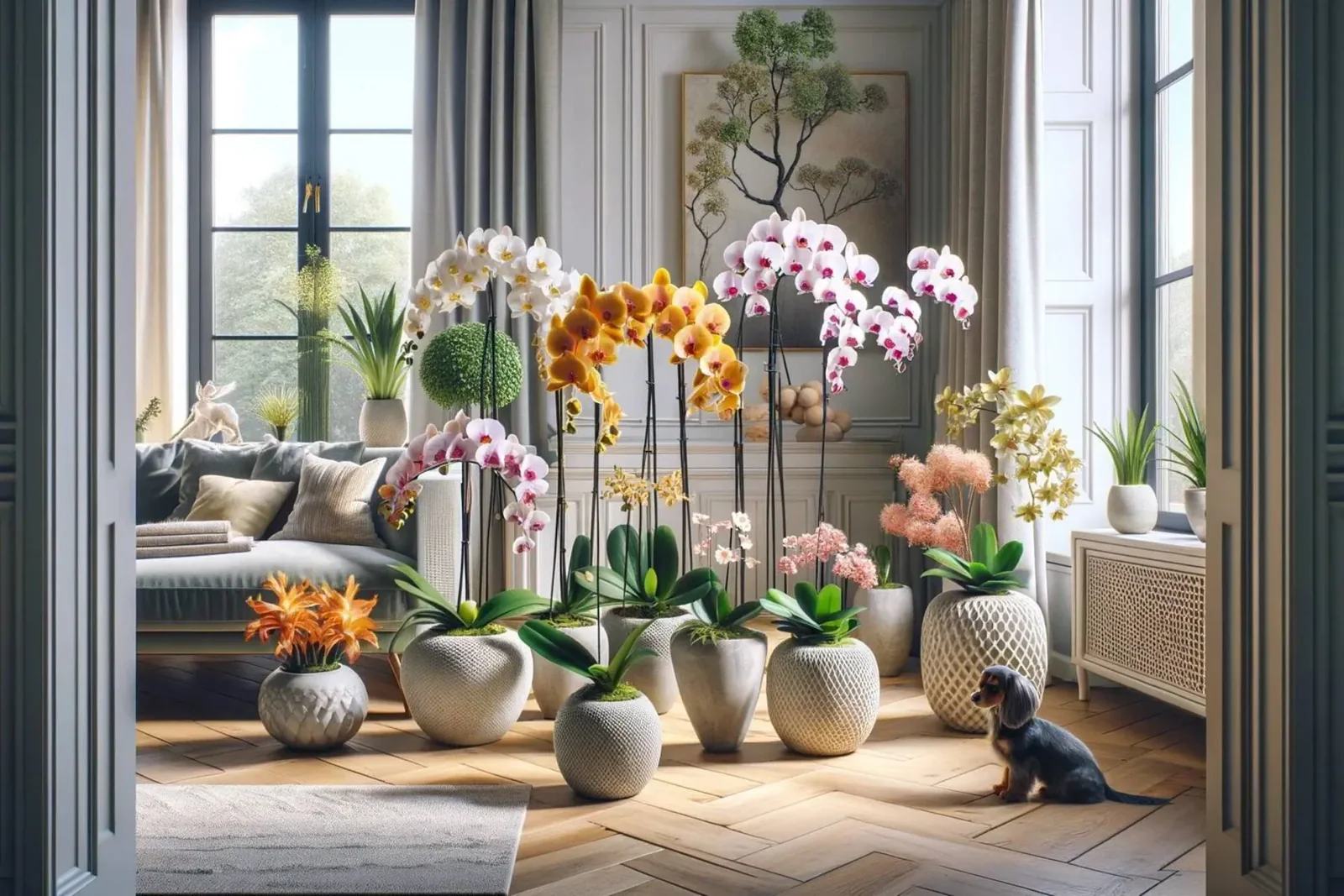
Moth orchid (Phalaenopsis spp.). Use orchid mix and filtered light. Let water drain freely.
Blushing bromeliad (Neoregelia spp.). Give it bright, filtered light and follow the care tag for the exact plant.
These work well as accents near filtered daylight. Check each plant’s care tag, since an orchid in bark and a bromeliad in a pot can need different watering routines.
Friendship plant
Friendship plant (Pilea involucrata). Choose indirect light and a pot with drainage. Check the mix regularly.
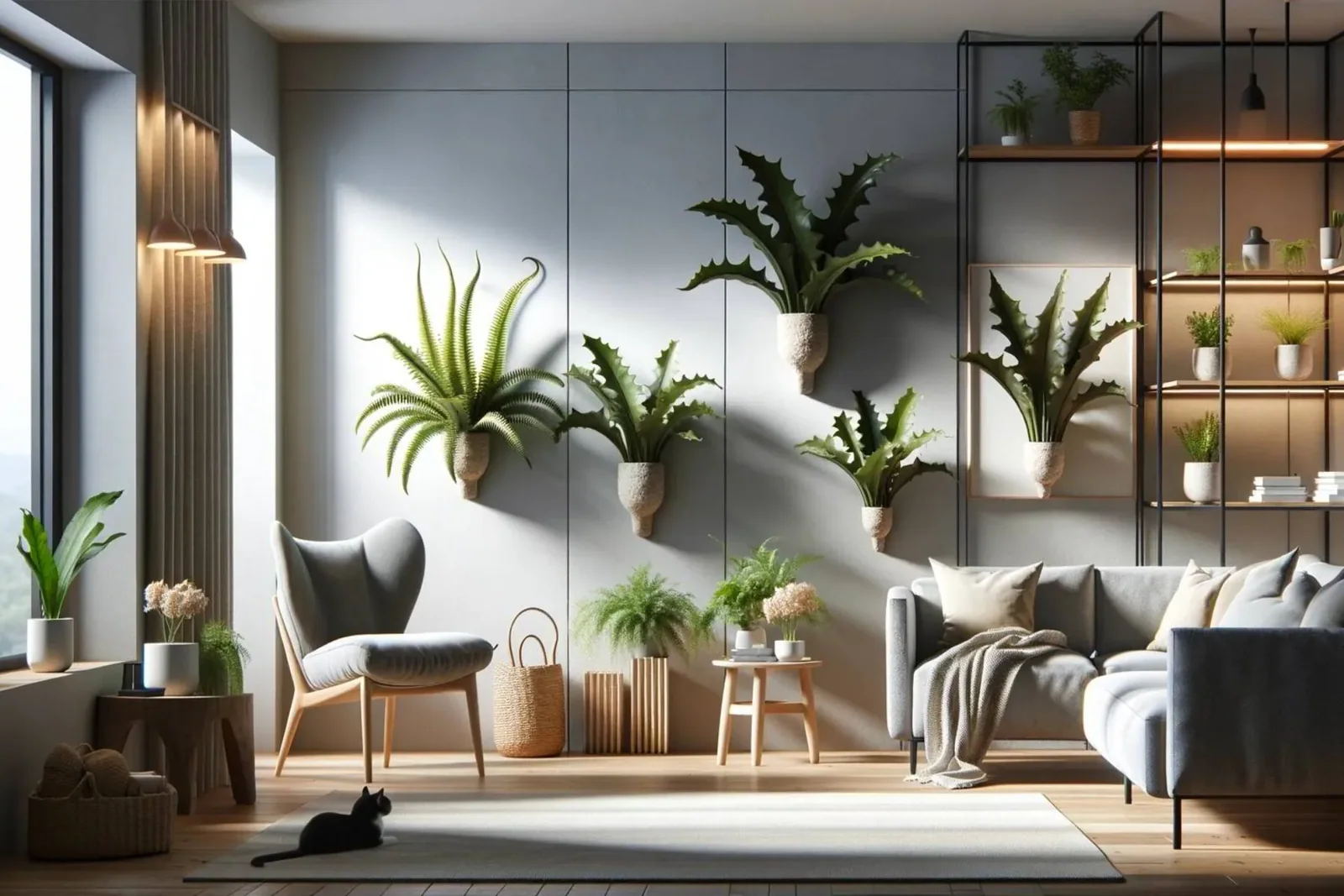
Common staghorn fern
Common staghorn fern (Platycerium bifurcatum). Give it filtered light. Water according to how quickly the mount or pot dries.
If you hang it on a mount, make sure you can take it down to water and drain it without leaving moisture against the wall.
Christmas cactus
Christmas cactus (Schlumbergera bridgesii). Use filtered light and a draining mix. Water when the top starts to dry.
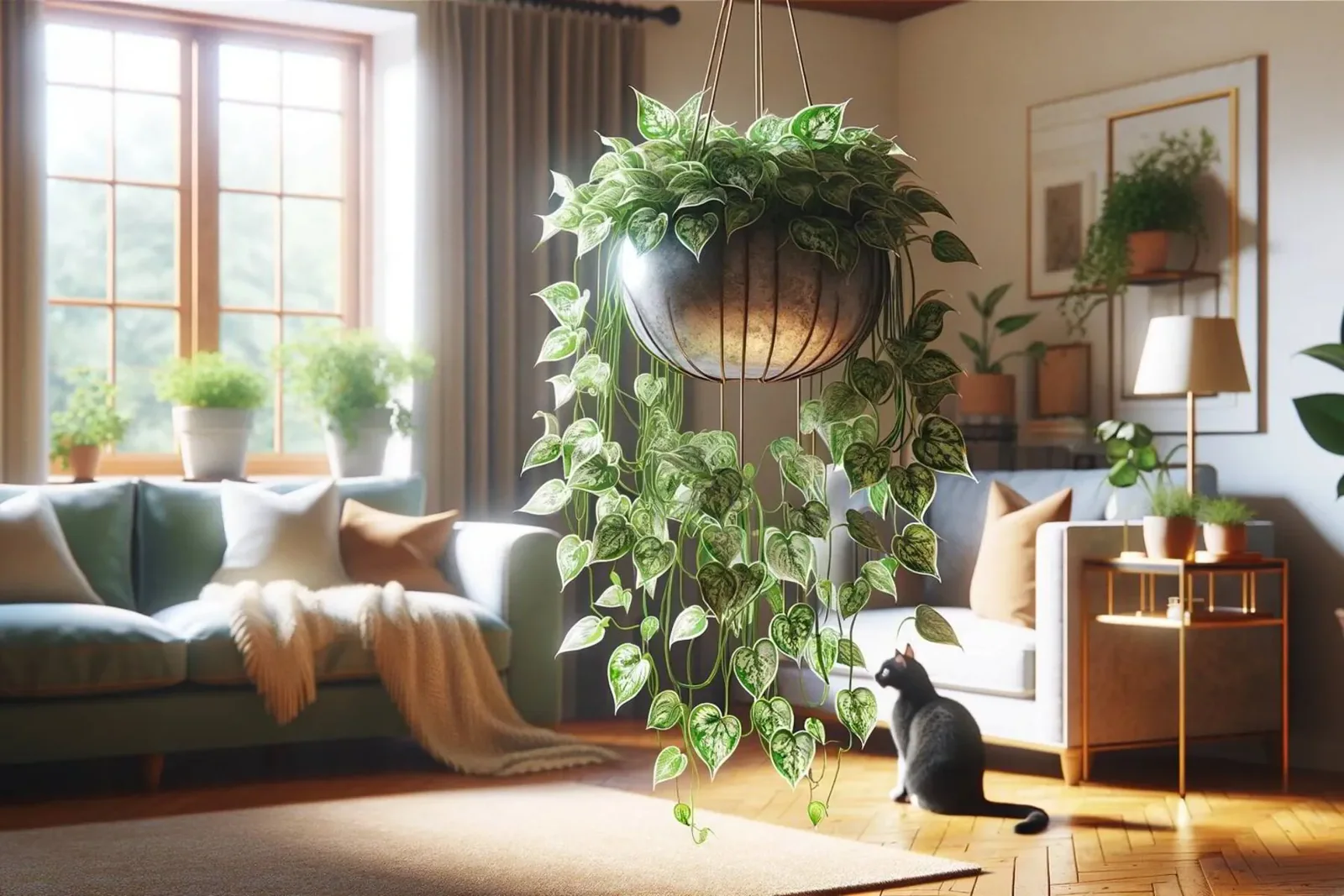
Wax plant
Wax plant (Hoya carnosa). Give this trailing plant bright, indirect light and let the mix partly dry between waterings.
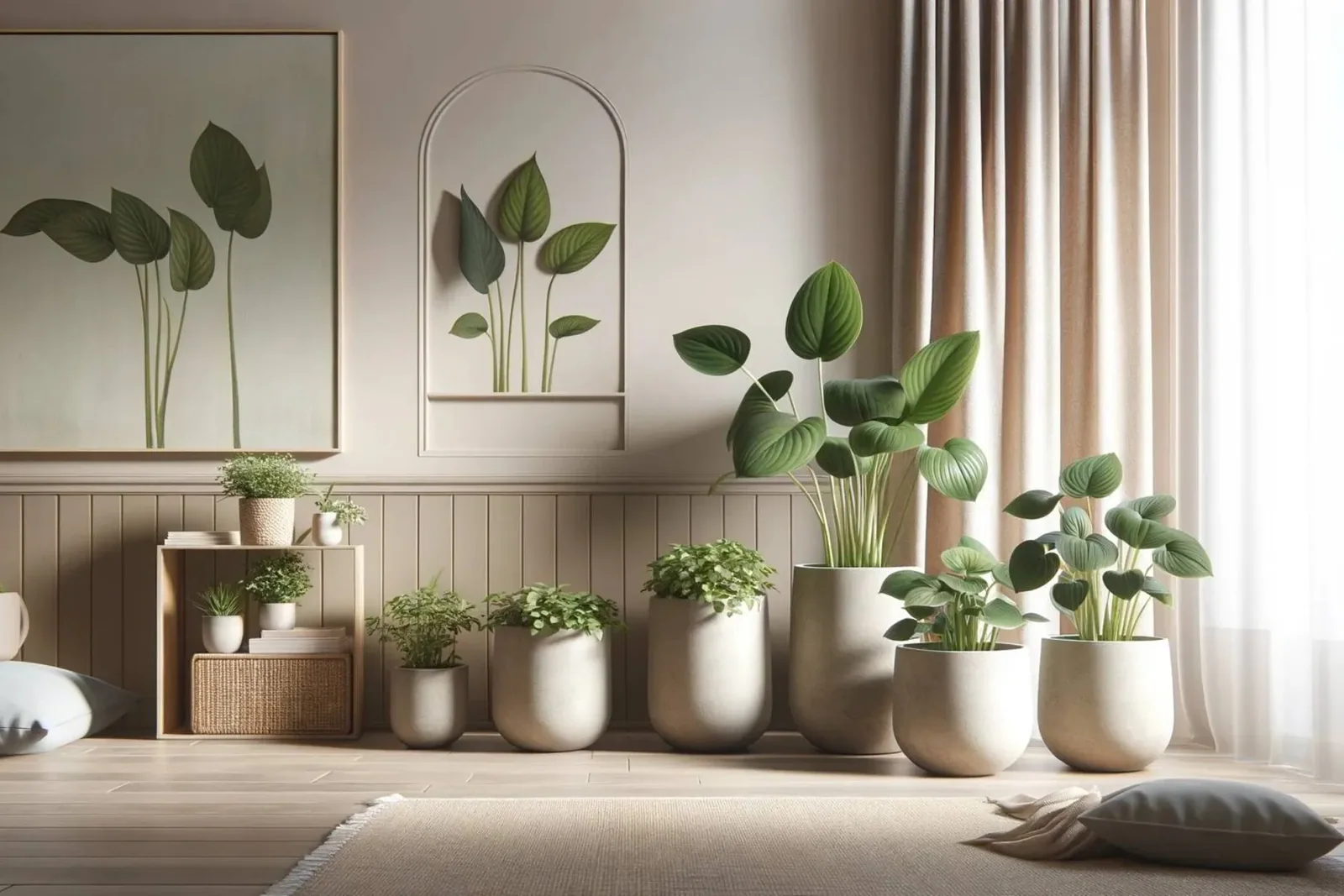
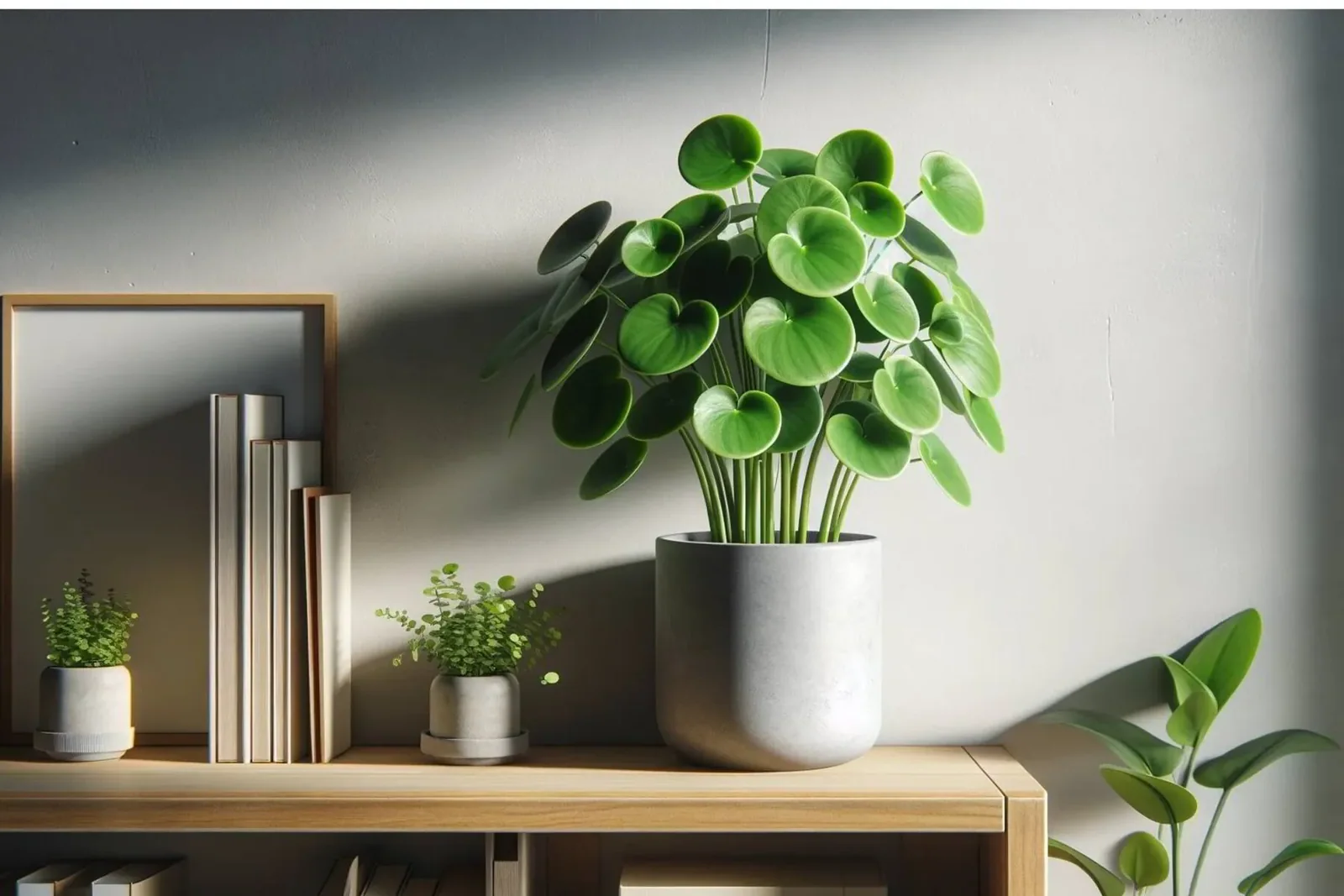
Chinese money plant
Chinese money plant (Pilea peperomioides). Give it bright, indirect light and water once the top of the mix starts to dry.
Its round leaves and compact habit make it a useful choice for a table or shelf. A drainage hole makes it easier to water thoroughly without leaving the pot soggy.
Frequently asked questions
Can my cat chew a non-toxic plant?
Even a non-toxic plant can cause stomach upset. Keep pots, fertilizer and soil out of reach, and ask your veterinarian if your cat chews plants often.
What if the label only has a common name?
Ask the seller for the botanical name and verify it before bringing the plant home. This matters for names like prayer plant, bamboo palm and silver splash that can refer to different plants.
Conclusion
Choose a plant for the light you have and verify the botanical name before buying. Our guide to types of house plants has more options for different rooms. Explore our interior design guides for placement ideas.


Lara Harding
Lara is a supporting author @ DIY Home Comfort. She's an experienced interior designer and decorator and a full-time mom. You can find out more about her here.