Virtual Power Plant Programs: What Homeowners Should Check Before Enrolling
Understand virtual power plant enrollment, device control, opt-outs, battery reserve and compensation before you connect a home battery or flexible load.
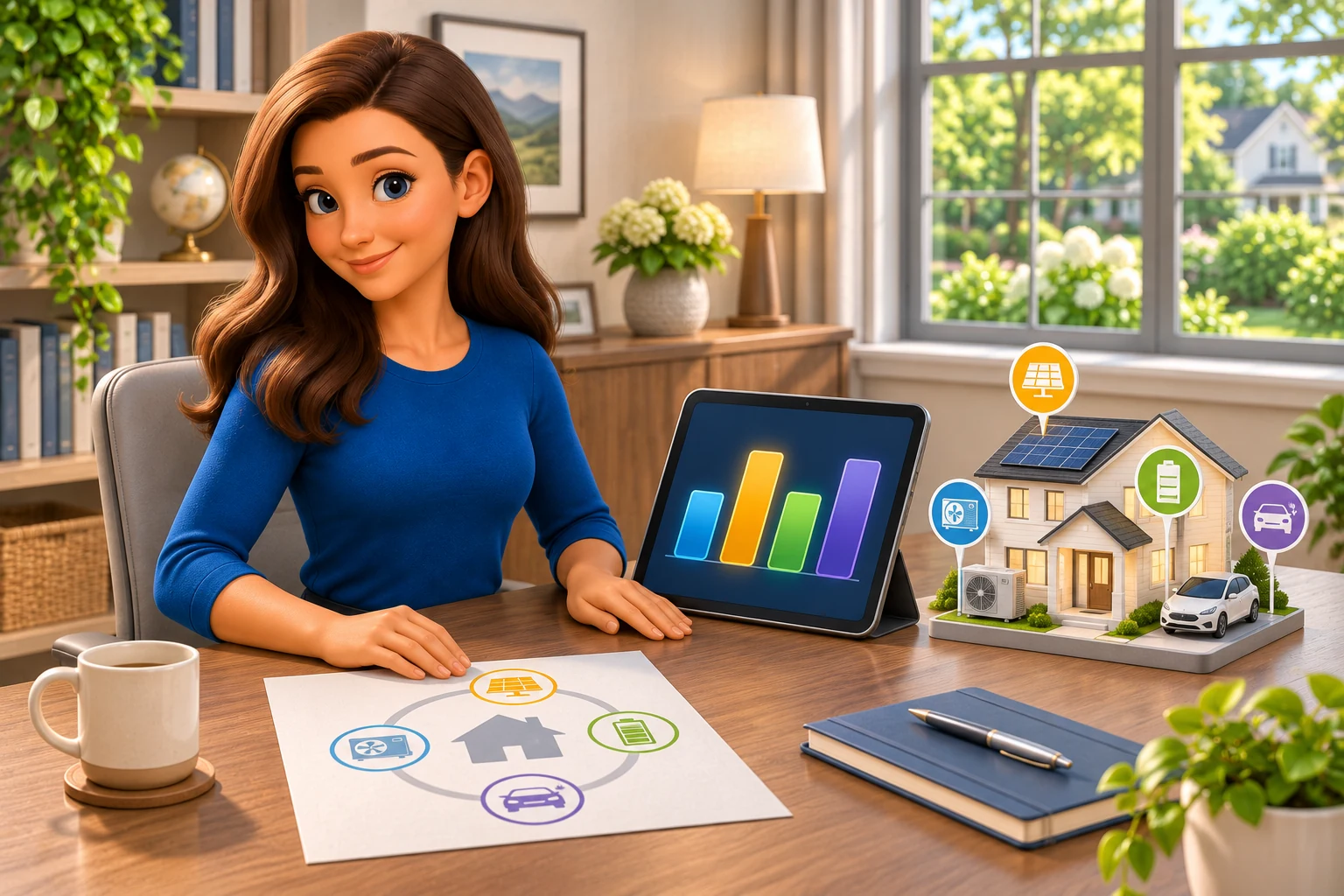
A virtual power plant program coordinates many smaller energy resources—such as home batteries, solar systems, EV charging or flexible thermostats—so they can support the grid together. A homeowner may enroll through a utility, battery maker, solar provider or an aggregator.
Program terms differ by location and device. Before enrolling, find out what the operator can control, when it can act, how you opt out and what remains available for backup.
How a home virtual power plant program works
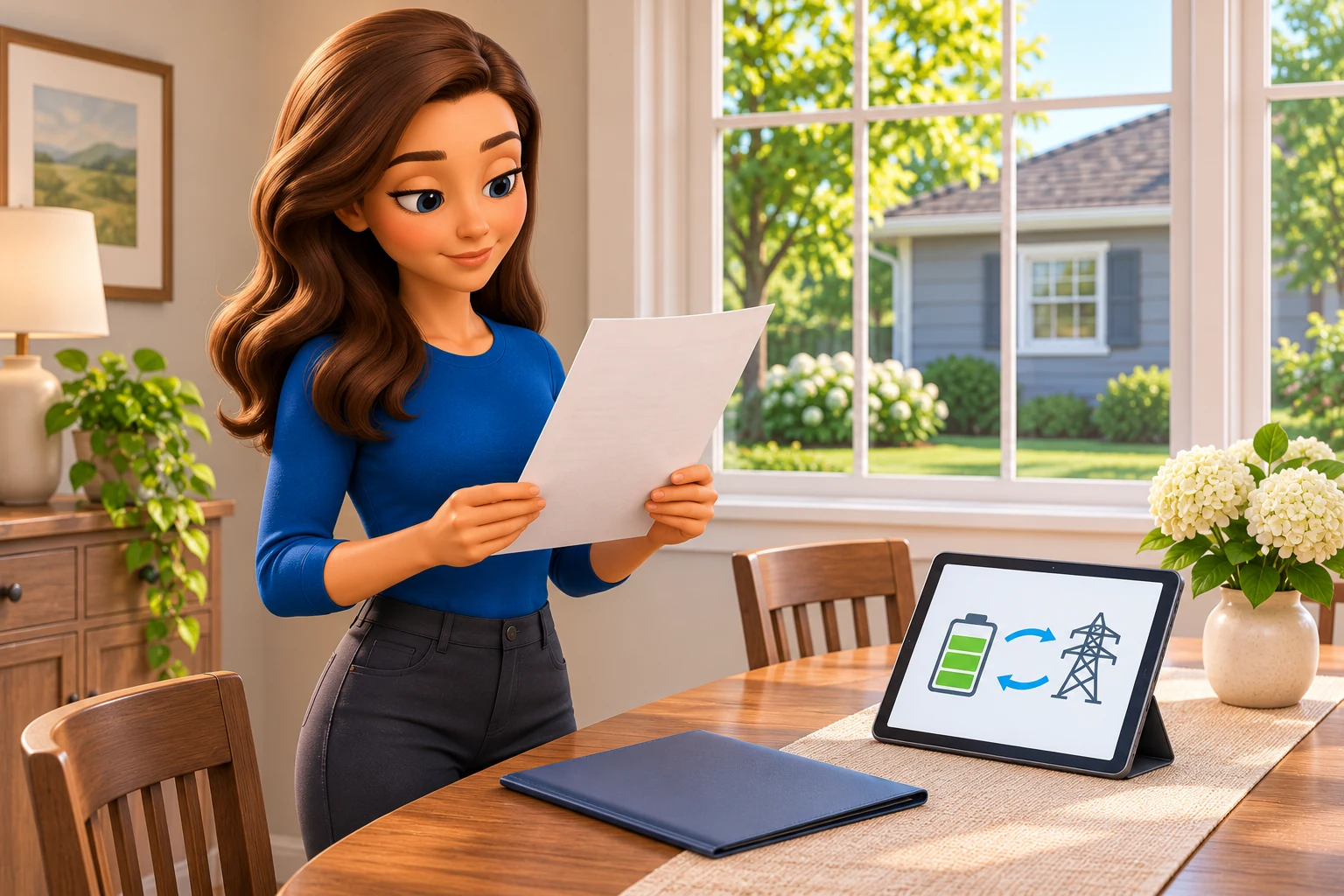
A participating device may reduce demand, charge or discharge a battery, or change a thermostat setting during a program event. The aggregator coordinates many devices and deals with the grid program. Your contract or enrollment terms define the relationship between you and the company managing your equipment.
FERC Order 2222 addresses how distributed energy resources can participate in certain organized wholesale electricity markets through aggregations. It does not create a single nationwide homeowner program or guarantee that a particular house can enroll. Read the FERC Order 2222 fact sheet for the distinction between the market framework and a local offer.
Read the control and opt-out terms
Look for plain answers to these questions before you connect an account or device:
- Which devices can the program control, and what commands can it send?
- How many events may occur, how long can they last, and how much notice will you receive?
- Can you opt out of one event, pause the program or leave enrollment without a fee?
- Can the program change your thermostat setpoint or discharge your battery without a separate confirmation?
- Does the program retain a minimum battery reserve for outages, and can you change it?
- What happens if the utility, aggregator or manufacturer ends the program?
Do not assume the device's standard manual override applies in the same way during a grid program. Confirm the exact override, alert and account-offboarding process.
Compare the compensation with the tradeoff
Programs may offer bill credits, payments, equipment discounts or other terms. Confirm whether compensation is fixed, based on your participation, tied to an event, or subject to a minimum number of successful dispatches. Ask how the calculation is measured and when credits appear.
Do not use a sales estimate as a guaranteed annual payment. Check the utility's current tariff and written program terms, including any impact on your retail rate, battery warranty or solar export arrangement. The home energy rebates guide explains why enrollment and incentive rules should be confirmed in writing before you budget.
Protect the backup you actually need
If you bought a battery for outages, decide how much energy you want to keep for the home and which loads matter most. Ask how the program reserve interacts with your own backup reserve, forecast-based storm settings and outage mode. If the program's minimum cannot meet your needs, the compensation may not justify participation.
Use the home battery guide to separate backup goals from routine bill shifting. A VPP enrollment does not itself guarantee that the grid will be available or that a battery can supply every circuit.
Before you enroll
- Verify that your exact equipment and utility account are eligible.
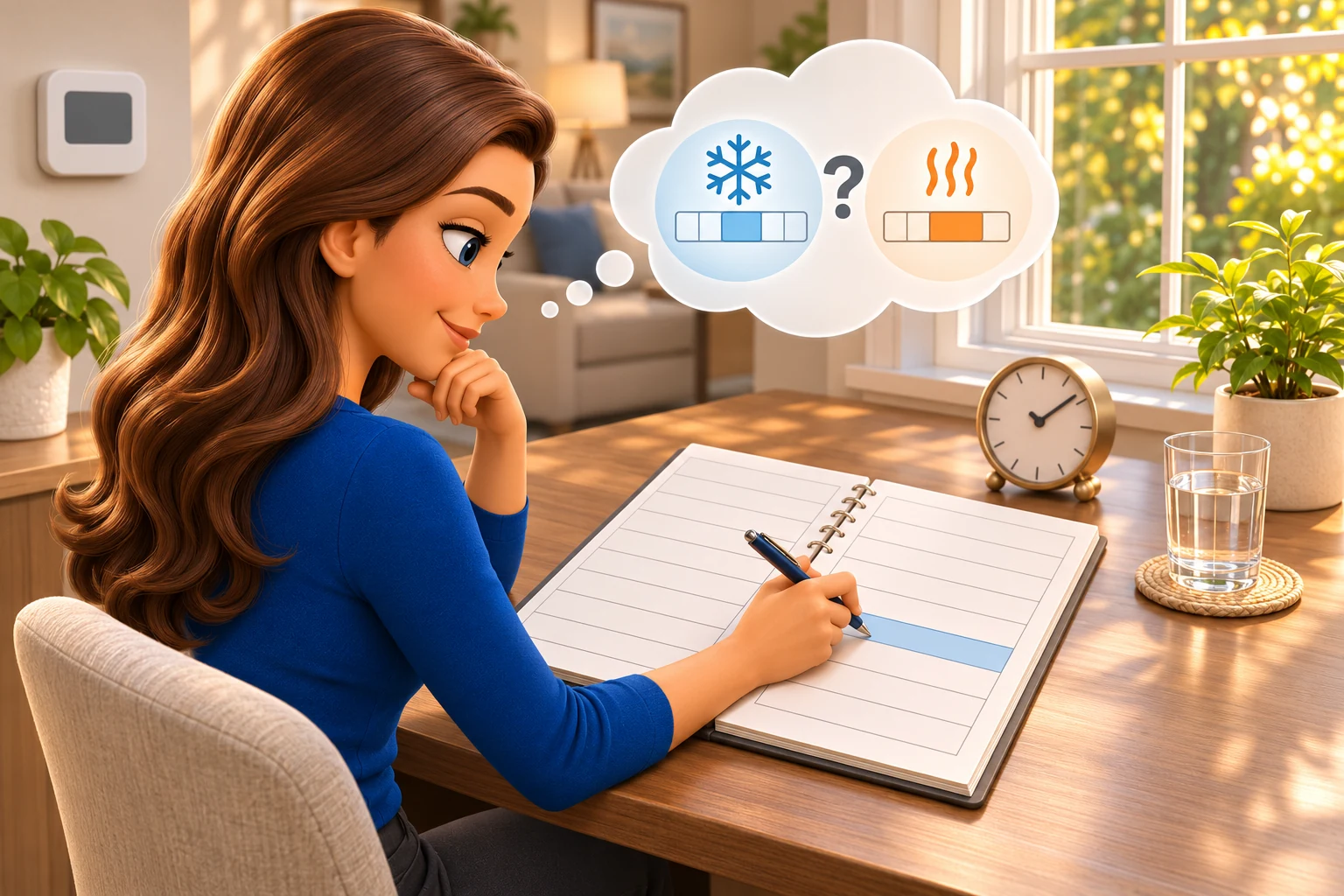
- Save the current battery reserve and operating schedule.
- Read event, control, payment, cancellation and data terms.
- Ask how to opt out quickly, including during a storm or travel.
- Keep a copy of the agreement and a contact route for support.
If the offer relies on a tax credit, bill credit or fixed payment, confirm that item separately in the program documents; do not infer it from the phrase “virtual power plant.”
Conclusion
A virtual power plant can create a way for your battery or flexible loads to support grid operations, but the homeowner's costs and control rights come from the specific program. Compare the dispatch rules, opt-outs, backup reserve and compensation before connecting equipment.
Explore our Energy Efficiency guides for related battery, solar and utility planning.

Scott Harding
Scott is the main author of DIY Home Comfort. Learn more about the team and our approach on the About page.