What Does a Restoration Company Do (and When You Need One!)
It can be stressful when something happens to your home. But, repairs must be done whether it has been damaged due to a fire, flood, or home invasion. So why do I need a restoration company?
What Do Restoration Companies Do?
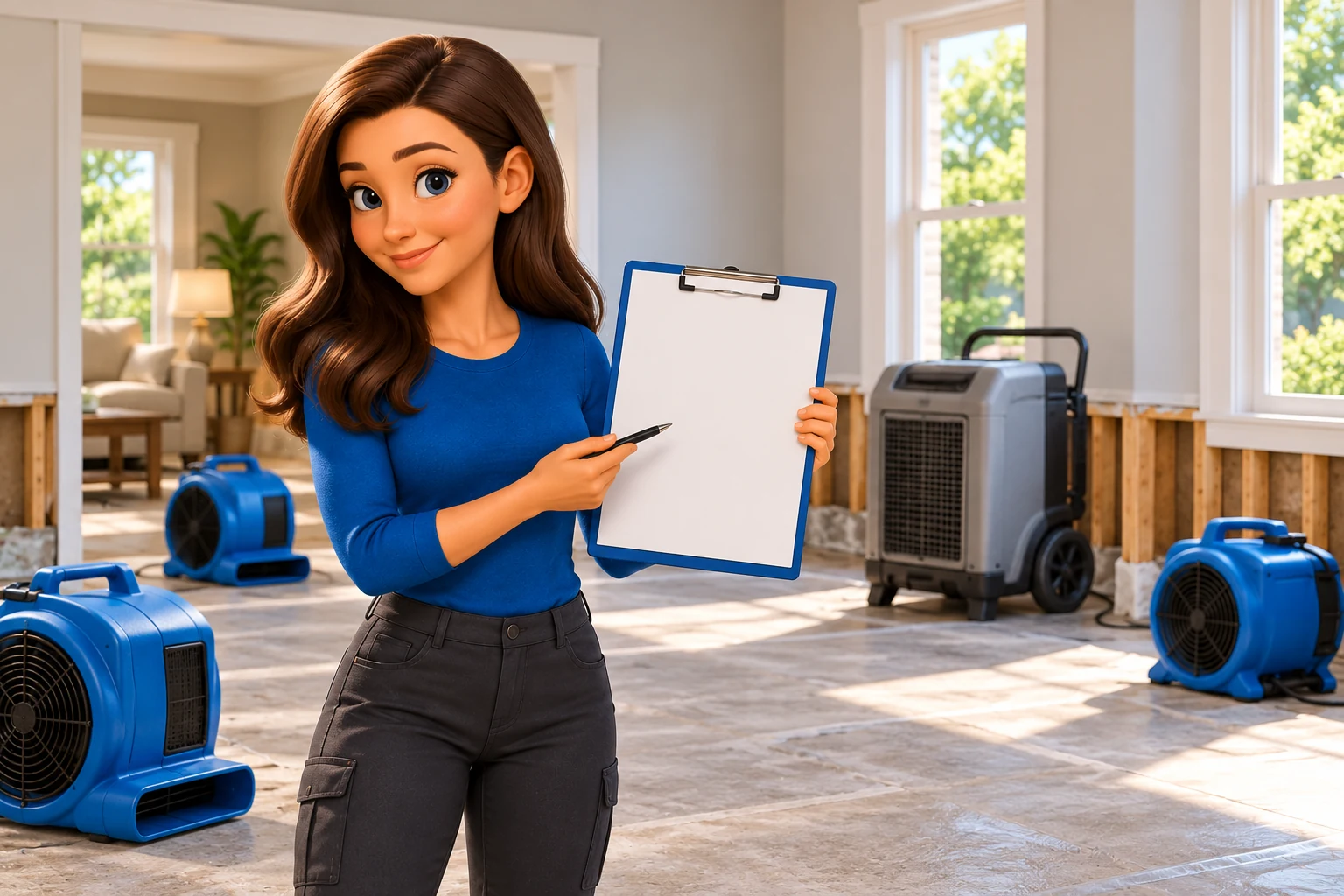
Restoration companies assess and repair properties damaged by fire, water or storms. They may also help document the damage for the homeowner's insurance claim.
🛑 After a fire, flood or structural damage, keep out of unsafe areas and follow emergency and local re-entry instructions. Leave structural, electrical and contaminated-water work to appropriately qualified professionals.
The work may include structural repairs, water damage cleanup, mold remediation and smoke damage cleanup. Ask how the company will assess the damage and which services are included.
📘 Key Takeaways
- Comprehensive Services: Restoration companies handle everything from water and fire damage to mold remediation and structural repairs, ensuring a thorough recovery process.
- Insurance Assistance: They help navigate insurance claims, providing documentation and communication with insurers to streamline the process.
- Expert Assessment: Restoration professionals conduct detailed assessments to determine the extent of damage and create tailored restoration plans.
- 🛑 Safety and Compliance: Ask who will handle regulated work, permits, inspections and safe re-entry. A company label does not establish that every safety condition has been met.
- Advanced Equipment: Restoration companies efficiently restore properties to their pre-damage condition by utilizing specialized equipment and techniques.
Types of Damages Handled
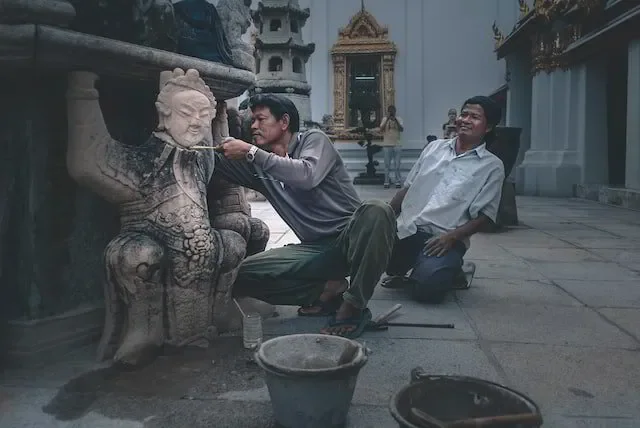
Restoration services address damage from several types of incidents. The work depends on what was affected and the repair plan.
Fire Damage
Overview: Involves damage from flames, smoke, and soot.
Restoration Approach: Includes soot and smoke removal, deodorizing, and repairing damaged structures.
Assessment Tools: Ask how the company will assess smoke and soot damage and check areas its tools cannot confirm. A sensor reading does not prove that cleanup is complete.
Water Damage
Overview: Caused by floods, leaks, or burst pipes, leading to structural weakening and mold.
Restoration Approach: Water extraction, drying, and dehumidifying.
Assessment Tools: Moisture-detection findings can guide further assessment and drying checks. They do not, by themselves, guarantee that every damp area or future problem has been identified.
Hurricane Damage
Overview: Results in flooding, wind damage, and structural impairments.
Restoration Approach: Focuses on debris removal and structural repair.
Innovative Strategies: Drone technology for rapid assessment of hurricane-related damages.
Mold Damage
Overview: Arises from excess moisture, posing health and structural risks.
Restoration Approach: Mold containment and removal, addressing moisture sources.
Planning: Identify the moisture source and affected materials before choosing a cleanup method. Mold inhibitors are not a generic substitute for removal and drying.
Structural Repair and Cleanup
Overview: Addresses damages to the physical structure of properties.
Restoration Approach: Stabilizing the structure, debris removal, and repairing physical damage.
Innovative Strategies: Utilizing building information modeling (BIM) for accurate reconstruction plans and employing advanced materials like mold-resistant drywall.
By integrating these innovative strategies and advanced technologies, restoration companies provide more effective solutions for various property damages. These advancements enhance the restoration process, contributing to properties' sustainable and long-term recovery.
Fire Damage Restoration
Fire damage restoration usually moves from assessment to cleaning, repairs and final checks. The scope depends on the fire and the property.
Initial Assessment:
- A thorough evaluation is conducted to determine the extent of fire, smoke, and soot damage.
- This step is crucial in formulating an effective restoration strategy, guiding the subsequent phases of the process.
Cleaning Phase:
- The focus is on the removal of soot and smoke residues using specialized cleaning chemicals and tools.
- Deodorization: Ask whether the proposed method involves ozone treatment, thermal fogging or another process, why it is suitable and what exposure controls are required. These are not generic homeowner cleaning steps.
- 🛑 Ozone can harm health. Do not use an ozone generator in an occupied space or expose people or pets to treatment. EPA’s ozone guidance explains why even unoccupied-space use needs controlled conditions. Have the professional specify exposure controls and safe re-entry; do not use a generic waiting time.
Repair and Reconstruction:
- This stage involves restoring or replacing damaged structures and materials.
- Attention to structural integrity and safety is paramount, ensuring that the rebuilt areas are both secure and durable.
Final Steps:
- The restoration culminates with the refinishing of restored areas.
- A comprehensive final inspection is conducted to ensure all aspects of fire damage have been addressed.
Ask how thermal imaging observations will be checked against moisture measurements and physical inspection. An image alone does not establish that restoration is complete.
Review the completed scope, outstanding issues and any occupancy restrictions with the restoration company. A generic description of the process is not clearance to return to a damaged property.
Water Damage Restoration
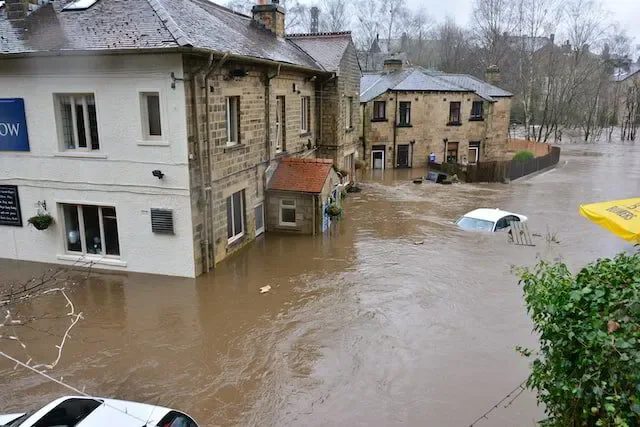
Water damage restoration starts with assessing where water entered and what it affected. Moisture meters and other equipment can help identify areas that need attention.
Teams then carry out water extraction using pumps or vacuums, followed by drying and dehumidifying to reduce further damage.
Water-damaged materials such as drywall or flooring may need repair or removal. The cleaning and any disinfection must suit the contamination and materials involved; a general sanitizing step does not prove that every contaminant is gone.
Innovative methods can further enhance this process. For instance, implementing advanced structural analysis technologies can aid in detecting potential vulnerabilities in the structure after restoration.
Mold-resistant materials may be part of repairs, but they do not correct continuing leaks or prevent every future water damage problem.
These advanced strategies aim to provide a more robust and long-lasting solution to water damage, going beyond immediate repair to enhance the resilience of the restored property.
Mold Remediation Process
Mold remediation starts with assessing growth, moisture sources and affected materials. The remediator chooses containment and negative air pressure controls appropriate to the scope. Moisture measurements support that assessment; they do not alone identify the mold.
Technicians choose protective gear and cleanup methods for the materials. Mold-damaged porous materials such as drywall may need removal. HEPA vacuums can be used for final cleanup after appropriate removal and drying.
Correct the moisture source and dry affected areas. EPA’s home mold guidance explains why moisture control and removal matter. No generic mold inhibitor or air-quality check guarantees that growth will not return.
Structural Repair and Cleanup
Structural repair and cleanup after damage typically involve assessing the extent of damage and planning repairs. This includes stabilizing the structure, removing debris, and repairing physical damage like broken windows or compromised walls.
Restoration services also cover water removal, drying, sanitizing, and restoring electrical and plumbing systems. Innovative methods could involve using drones for initial damage assessment, providing a safer and more comprehensive overview.
Advanced materials like mold-resistant drywall or moisture-resistant insulation could be used in repairs, enhancing the durability and safety of the restored structure. These technological advancements could significantly improve the efficiency and effectiveness of structural repair and cleanup services.
Advanced Restoration Techniques
Advanced restoration techniques are continuously evolving to offer more efficient and environmentally friendly solutions.
Key methods include:
- Thermal Imaging Cameras: Ask how observations will be checked using moisture measurements and inspection. No image establishes that all hidden damage has been found.
- Hydroxyl Generators: Ask for device-specific evidence, suitability, exposure controls and re-entry precautions. The label alone does not guarantee effective air purification, better air quality or safe occupancy.
- 🛑 Biodegradable Anti-Microbial Treatments: “Biodegradable” or “eco-friendly” does not establish safety or suitability. Follow the specific product label and professional plan. Chemical treatments do not replace fixing moisture and removing affected material.
Ask the company to connect each proposed technique with the damage, expected result and safety controls. EPA’s pesticide-label guidance explains the importance of product-specific directions and precautions when a pesticide treatment is proposed.
Real-Life Restoration Case Study
Case Study: Fire & Smoke Damage Restoration at a Wedding & Event Center
CRUSA describes restoring a commercial wedding and event center after extensive fire and smoke damage.
Overview of the Incident:
Location: A large Wedding and Event Center.
Type of Damage: Extensive fire and heavy smoke damage.
Impact: Disruption of scheduled events and future bookings.
Challenges Faced:
Urgency: Rapid restoration needed before the peak wedding season.
Complexity: Extensive structural and aesthetic damage.
External Factors: Supply chain delays and labor shortages.
Restoration Approach:
Immediate Action: Swift assessment and commencement of restoration.
Comprehensive Restoration: Included structural repairs, interior and exterior refinishing, and installation of new roofing.
Adaptive Strategies: Overcoming external challenges to meet tight deadlines.
Outcome:
Timely Completion: Restoration completed faster than the initial build time.
Successful Reopening: The center reopened on schedule, satisfying client needs.
Conclusion:
CRUSA reports that the center reopened on schedule despite supply chain delays and labor shortages. This is one company-published example, not a promise about another restoration project.
For a more detailed exploration of this case, visit CRUSA's website.
Conclusion
Ask what customer service and personalized communication you can expect from the restoration contractor. Look for empathy, transparency and clear progress updates.
Some companies adopt advanced technology like virtual reality (VR) tools for detailed damage assessment and planning. They also consider the emotional and historical value of properties, especially heritage buildings or cherished family homes, providing sensitive and comprehensive restoration services.
For related home-care and maintenance guidance, browse our renovation articles at DIY Home Comfort.

Scott Harding
Scott is the main author of DIY Home Comfort. He's also an experienced HVAC technician that enjoys home renovation and spending time with his family. You can find out more about him here.