Modern Wall Texture Types and How to Choose One
Compare six wall texture types with close-ups, application methods, patching tips and guidance for older painted surfaces.
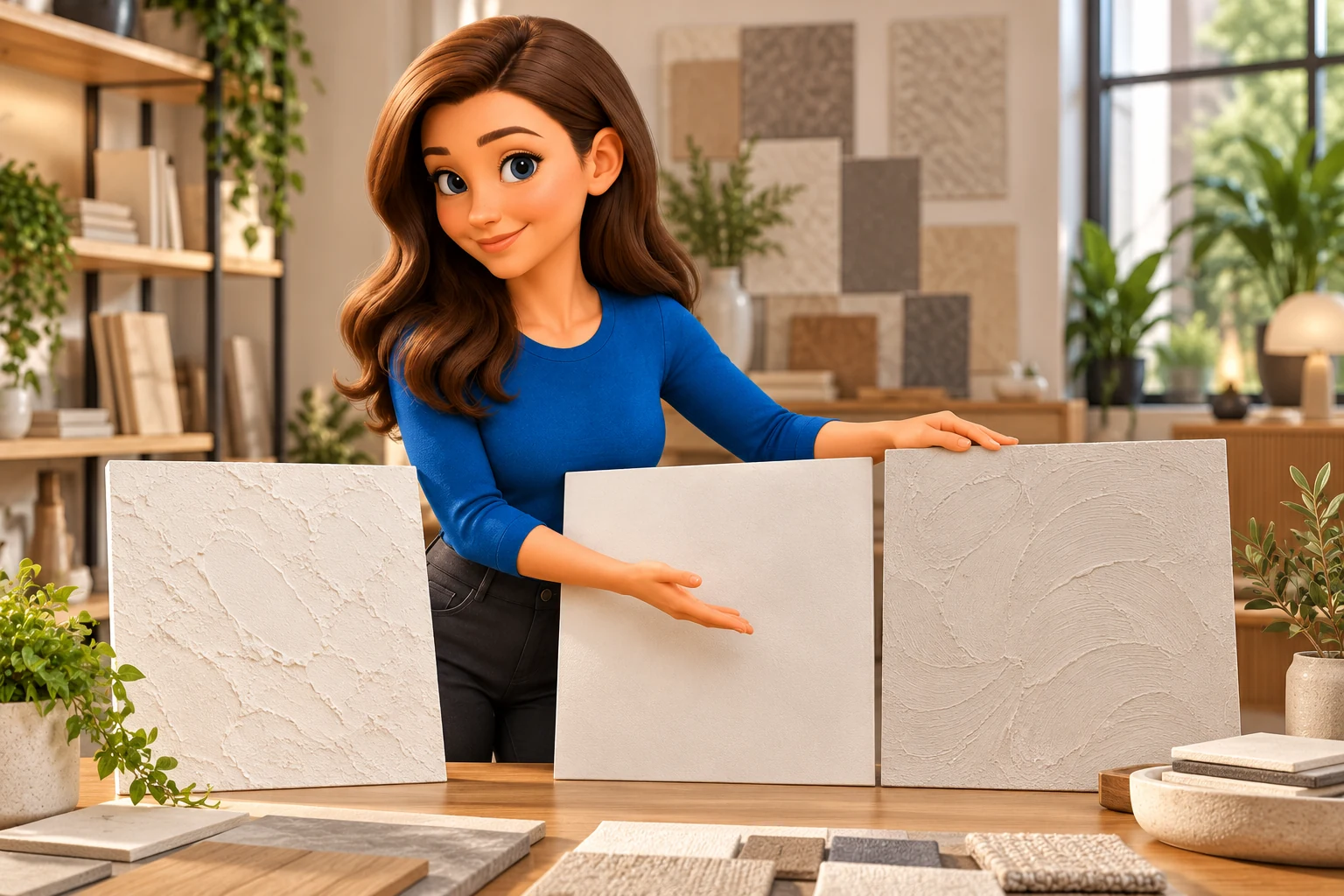
Start with three decisions when comparing wall texture types. Decide how much relief you want to see, whether you need to match an existing wall, and how much effort you want to spend on repairs. Fine patterns tend to blend into the room. Bigger patterns show more clearly when light hits them from the side.
Compare six wall texture types
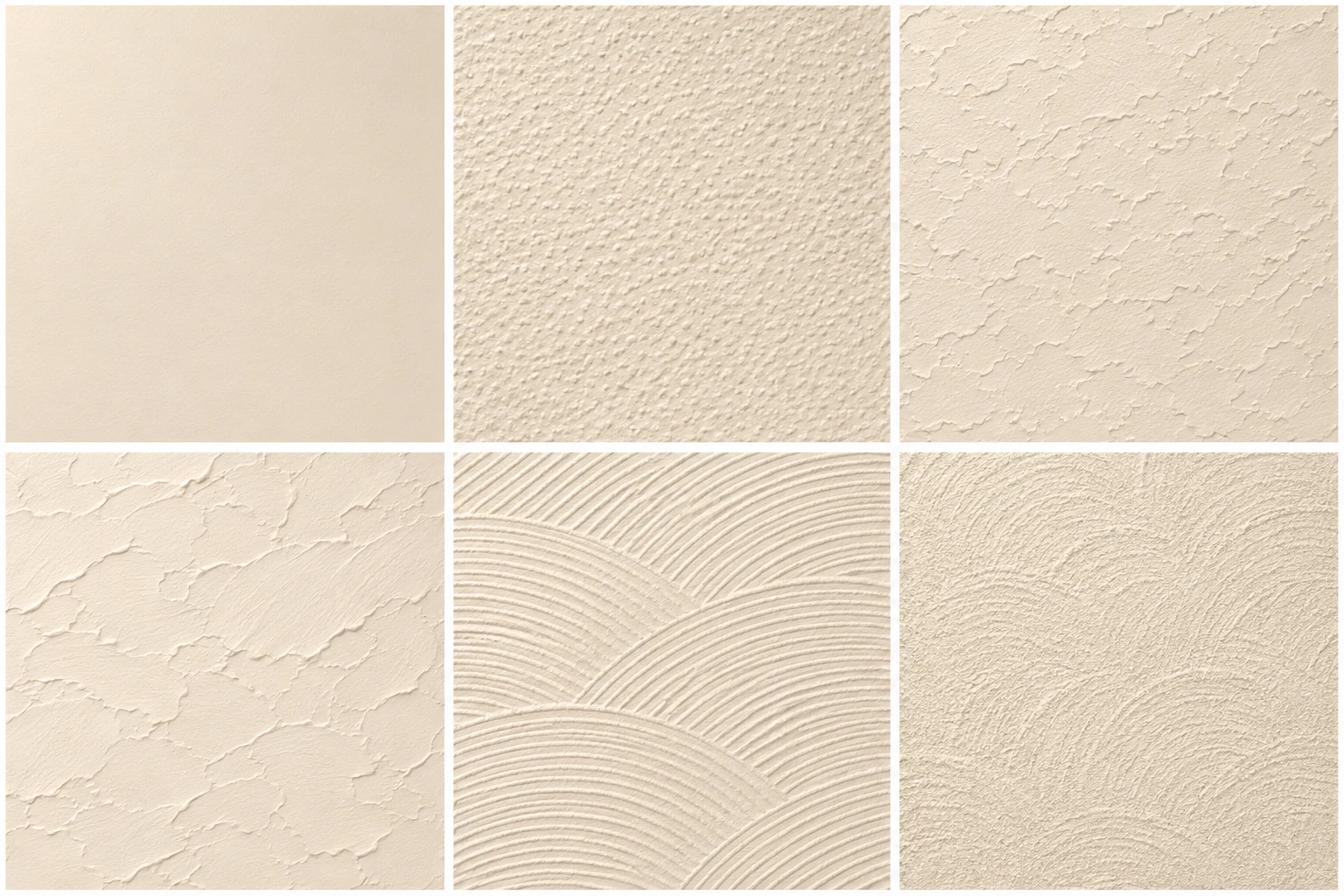
| Finish | What you’ll see | How it’s made and patched |
|---|---|---|
| Smooth | Little visible relief | A smooth finish needs careful surface prep. Side lighting can reveal ridges and patch edges. |
| Orange peel | Fine rounded bumps | A sprayed texture. Practice on scrap to match the size and density of the bumps. |
| Knockdown | Low, flattened islands | A knockdown knife flattens sprayed peaks. Match the size of the islands and how far they sit apart. |
| Skip trowel | Irregular trowel marks | A trowel leaves thin, irregular patches. Matching the hand pattern can take practice. |
| Comb | Repeated lines or arcs | A notched tool pulls grooves through wet material. Follow the spacing and direction of existing marks. |
| Sand swirl | Gritty overlapping fans | A brush makes arcs in a gritty coating. Match the grain as well as the arc. |
Other finishes use different materials or leave a different mark:
- Venetian plaster: A thin, polished finish with a stone-like look.
- Popcorn: A coarse, raised finish often found on ceilings. See the section below before disturbing an older texture.
- Slap brush, stipple and rosebud: Brush or stamp marks range from irregular peaks to repeated bursts.
- Hawk and trowel: Layered trowel marks create larger, irregular sweeps.
- Spanish lace: Irregular patches form a lace-like pattern. Check how the existing finish was made before patching.
- Sponge texture: Dabbing produces a mottled surface that varies with the tool and pressure.
Test the manufacturer’s product on a sample board before using it on a whole wall. See The Home Depot’s wall texturing guide for application options.
Modern Wall Texture Trends
As design trends evolve, wall textures are taking center stage, offering a wide range of options to suit every style. Smooth textures are a popular choice in modern design trends, reflecting more light and aligning with minimalistic aesthetics. Let’s look at two key trends: minimalist textures that emphasize simplicity and bold textures that make a dramatic statement.
The Rise of Minimalist and Smooth Textures
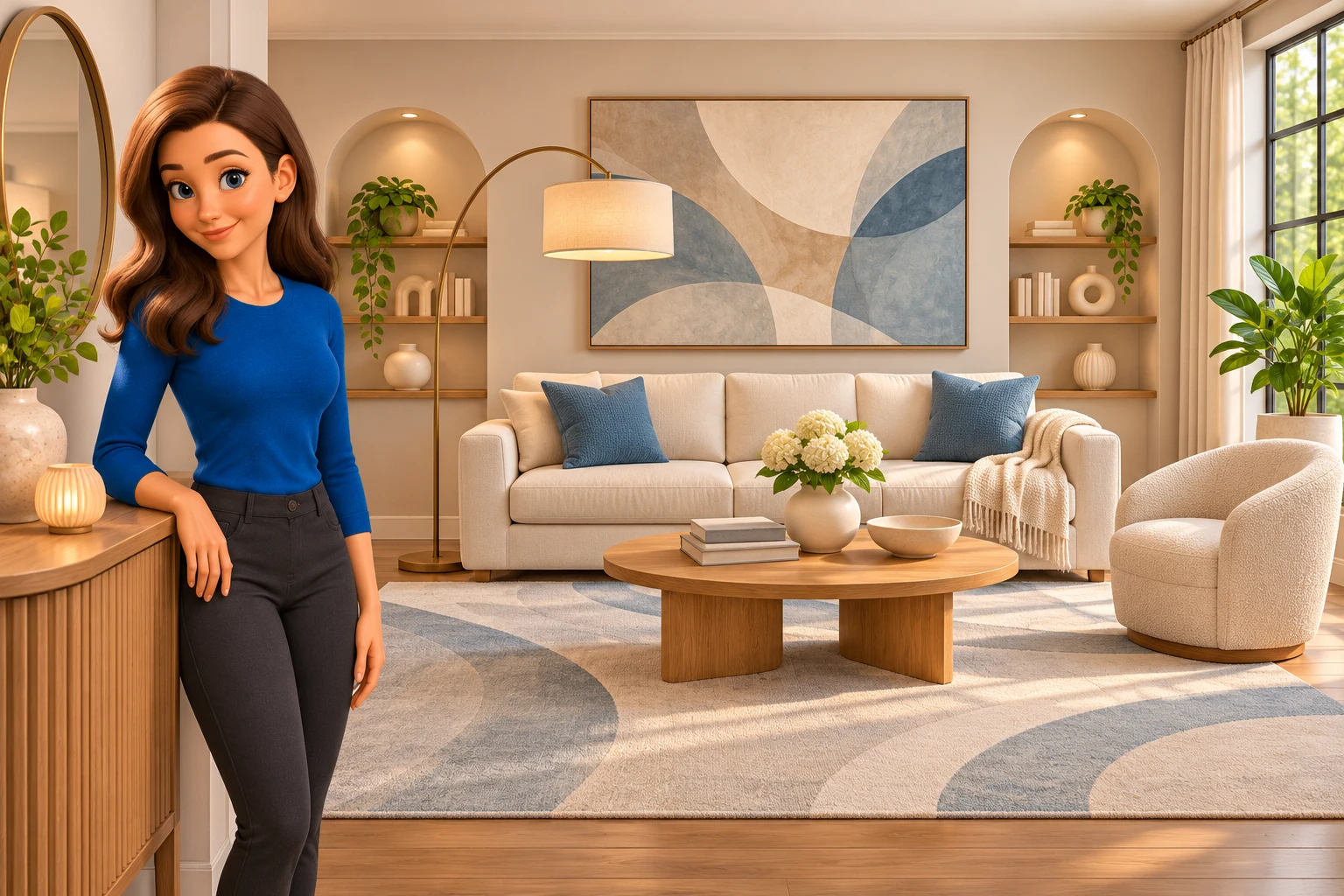
Minimalist textures are about creating a serene backdrop that lets other design elements shine. Think smooth textures and finishes that bring a sense of peace to your space.
- Monochromatic Schemes: Minimalist textures pair well with monochromatic palettes—whites, greys, and blacks that create a clean, cohesive look. The key is simplicity, allowing the texture to add interest without overwhelming the room.
- Subtle Texturing: A finely sanded plaster or microcement finish adds depth while maintaining the calm, uncluttered feel central to minimalist design.
Bold Textures: Making a Statement
If you love to make a statement with your decor, bold textures are the way to go. Adding a unique wall texture can enhance the aesthetic appeal of a space, infusing personality and style while concealing imperfections. These textures add drama and visual interest, creating a focal point that’s impossible to ignore.
- 3D Wall Panels: 3D panels create a variety of effects, from geometric patterns to organic shapes, adding depth and dimension—perfect for modern or industrial interiors.
- Textured Wallpapers: Textured wallpapers offer options like metallic finishes or faux leather, ideal for creating standout feature walls in living rooms, bedrooms, or home offices.
- Natural Materials: Natural materials like stone, wood, or cork add warmth and authenticity. A reclaimed wood accent wall adds rustic charm, while a polished stone wall exudes luxury.
Check older textures before disturbing them
🛑 Some older textured materials may contain asbestos. Leave suspect material alone. If a project would disturb it, ask an accredited asbestos professional about inspection and testing. See EPA guidance on asbestos in the home.
Tips for Choosing the Right Wall Texture
For a patch, view the dry sample from the same angle as the existing wall and compare it in daylight and at night. Look at the size, direction and spacing of the relief before you paint.
🛑 Before sanding or scraping painted surfaces in a pre-1978 home, check for lead paint and follow EPA lead-safe renovation guidance.
Choosing the right wall texture isn’t just about aesthetics—it’s about finding a texture that fits your home’s personality and your lifestyle. When considering drywall textures, you have a variety of options like Bas-Relief, Venetian, and Lace, each offering unique characteristics and application methods. Here are some tips
Consider the Room’s Purpose
Every room serves a different purpose, and your wall textures should reflect that. Incorporating a textured wall can conceal imperfections, add visual interest, and serve as a focal point, though it may come with maintenance challenges and cost implications. A texture that works beautifully in a cozy living room might not be ideal for a sleek, modern kitchen.
- Living Rooms: In a living room, where comfort is key, a texture like knockdown adds warmth and character, inviting relaxation.
- Kitchens: In contrast, a kitchen benefits from a clean, polished look. A sleek texture like Venetian plaster enhances modern lines and fixtures.
- Bedrooms: For bedrooms, consider a soft texture that promotes relaxation, like light stucco or sand swirl, creating a soothing environment.
Match Texture with Your Design Theme
Your texture should complement—not compete with—your decor. Whether your home is coastal, industrial, or something in between, there’s a texture to enhance it. Texture drywall can enhance the appearance of walls in different design themes by adding unique patterns and aesthetic appeal.
- Coastal-Inspired Design: For a coastal vibe, a texture like sand swirl can evoke the feeling of being by the beach, adding tranquility to your space.
- Modern Industrial Design: For an industrial look, textures like exposed brick or concrete add the raw, unfinished feel characteristic of the style.
Consider Lighting
Lighting plays a crucial role in how a texture looks. Uneven texture can create visually distinct surfaces under different lighting conditions. The way light interacts with your walls can enhance or diminish the effect, so consider your room’s lighting.
- Natural Light: In rooms with natural light, textured walls can create beautiful effects as the light changes throughout the day. Subtle textures like orange peel benefit from this natural variation, while bold textures cast interesting shadows.
- Artificial Light: Where artificial lighting is primary, texture can influence how light is dispersed. A Venetian plaster texture reflects light, adding a soft glow, while rougher textures like knockdown absorb light, creating a cozier atmosphere.
Maintenance and Durability
Wall textures require different levels of maintenance. A drywall texture brush is essential for creating and maintaining various textures. Some are easier to clean and maintain than others, depending on the complexity and materials used.
- Low-Maintenance Options: For easy maintenance, consider textures like orange peel or smooth plaster, which can usually be cleaned with a damp cloth.
- High-Maintenance Options: Intricate textures like Venetian plaster or heavily textured wallpapers may require more attention and professional maintenance.
- Durability Considerations: Durability is key in high-traffic areas like hallways. Knockdown and skip trowel textures resist wear and tear, making them ideal, while delicate textures like Venetian plaster suit areas with less contact.
Frequently Asked Questions
Which textures are easiest to recognize?
Start with orange peel’s rounded bumps, knockdown’s flattened islands and comb’s repeated grooves. Compare a sample under side lighting before naming an existing texture.
How do I choose the right wall texture for my home?
Consider the room's purpose, design theme, and lighting. For example, a Knockdown texture works well in cozy, rustic spaces, while Venetian Plaster is ideal for elegant, formal areas. The texture should complement the overall style of the room.
What are the advantages of using wall textures?
Wall textures add depth, hide imperfections, and enhance the aesthetic of a room. They can create a tactile and visual interest that paint alone cannot achieve. Additionally, textures like Popcorn and Sand Swirl can help dampen sound and add a unique character to the space.
Can I apply wall texture myself, or should I hire a professional?
While some textures like Orange Peel or Popcorn can be DIY projects with the right tools and practice, others like Venetian Plaster require more skill and might be best left to professionals. Practice on a small area before attempting a full room.
What is the best wall texture for high-traffic areas?
For high-traffic areas, consider durable textures like Orange Peel or Knockdown. These textures are resistant to wear and tear and help hide minor imperfections caused by daily use.
Conclusion
For more ways to coordinate finishes, browse our interior design guides.
Understanding different wall textures, exploring trends, and following these tips can elevate your space’s look and feel. Whether you prefer minimalist or bold textures, the key is choosing what resonates with your vision and complements your home.
With careful planning, your textures can become the defining feature of your interior, creating a stunning finish that will be admired for years to come.
Feeling inspired? Keep the momentum going by exploring more interior design articles on DIY Home Comfort. Whether you're updating a single room or reimagining your entire home, there's always something new to discover.

Lara Harding
Lara is a supporting author @ DIY Home Comfort. She's an experienced interior designer and decorator and a full-time mom. You can find out more about her here.