The Thrill of Flipping: DIY Real Estate for Investors
Unleash your inner entrepreneur with DIY real estate! Discover the thrill of flipping homes and maximizing investment returns.
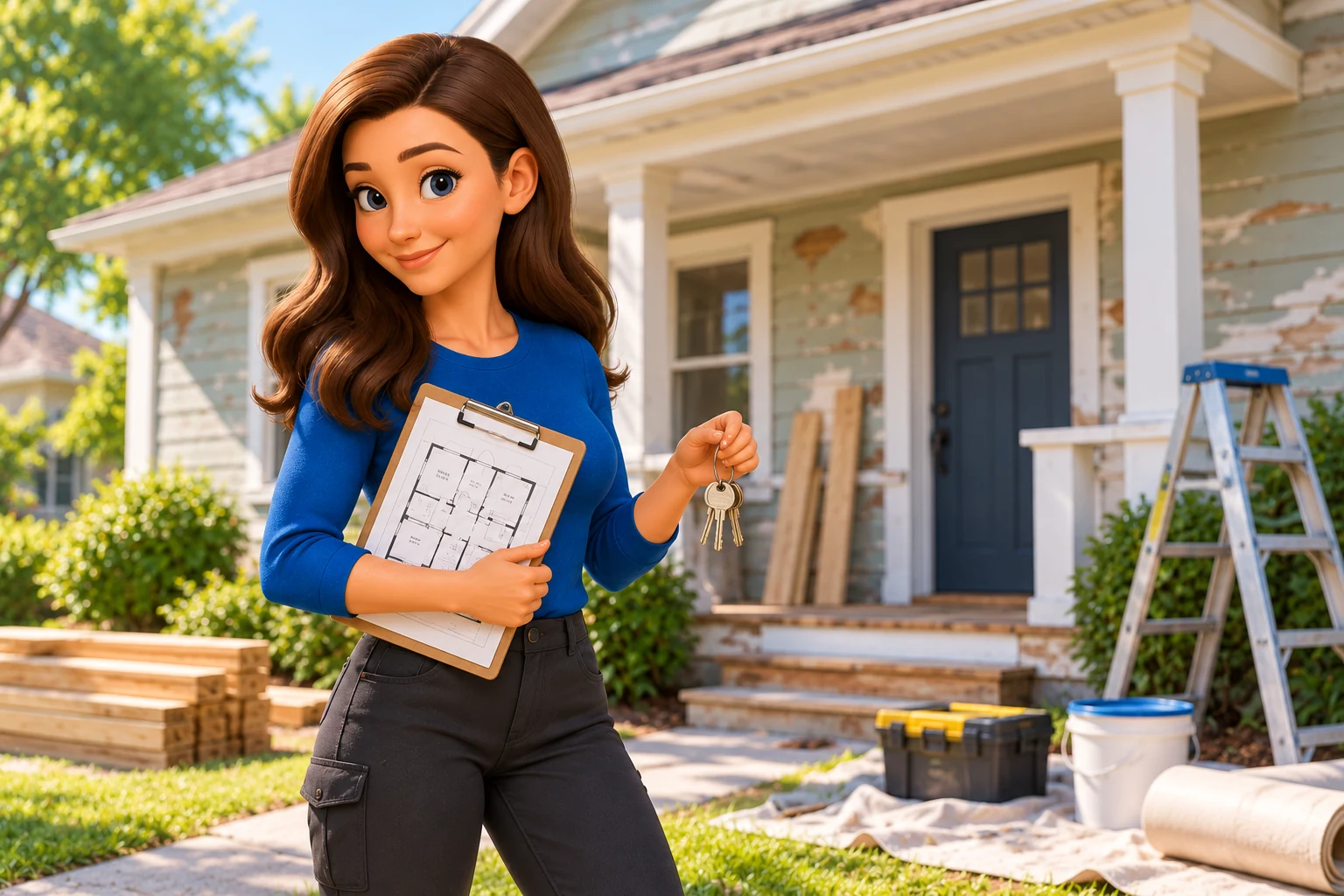
DIY real estate means taking an active role in buying, renovating, selling or renting a property. This guide covers property selection, renovation planning, budgeting and the sale or rental process.
Consider the time commitment, market knowledge and professional support the project needs before deciding which work to manage yourself.
⭐ Understanding DIY Real Estate
What is DIY Real Estate?
DIY real estate is the process where investors buy, renovate, and sell or rent properties. Unlike traditional real estate investments, where the investor may play a more passive role, focusing primarily on rental income or capital appreciation, DIY real estate demands active involvement.
This hands-on approach involves making key decisions about property selection, overseeing or executing renovations, and managing the sale or rental process. It appeals to those who have or wish to develop skills in areas like market analysis, construction, renovation, and real estate marketing.
The DIY method can lead to potentially higher profit margins, as investors save on labor costs and can directly control renovation expenses. It also allows for more personalization in property development, which can be a significant selling point.
However, it requires a substantial time commitment and a comprehensive understanding of the real estate market, property laws, and construction management.
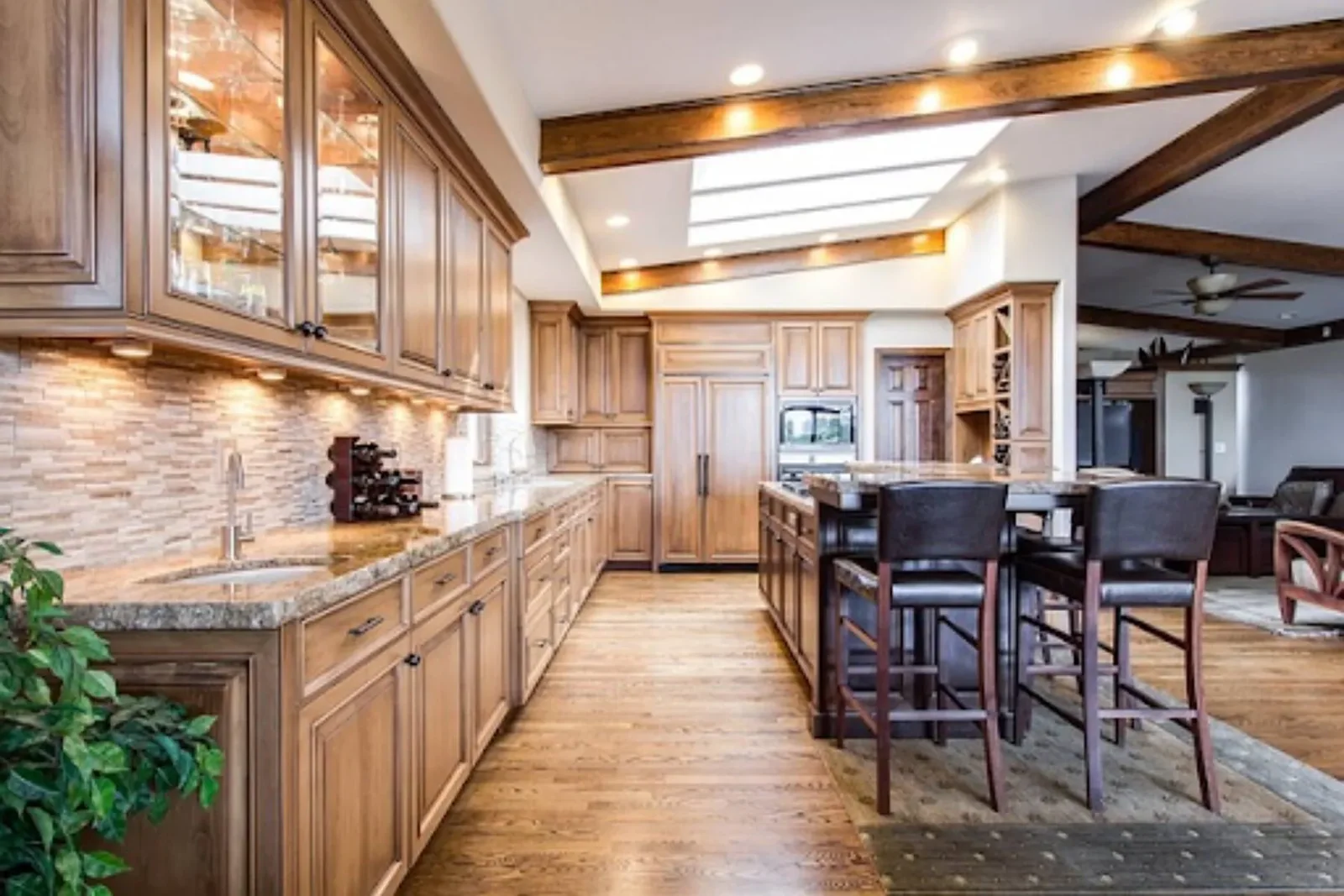
Why It Appeals to Investors
DIY real estate appeals to investors who want direct involvement in their projects. It combines decisions about the property with the practical work of managing a renovation.
By actively participating in the renovation and development process, investors potentially increase the property's value and gain a deep sense of accomplishment. This hands-on method appeals to those who relish the challenge of transforming a space and enjoying the tangible results of their efforts.
It's not just about financial gain but the journey of bringing a vision to life. Moreover, DIY real estate investing can lead to higher profit margins, as investors save on labor costs and tailor renovations to market demands.
This active engagement also cultivates a deeper understanding of the market, enhancing decision-making skills for future investments. In essence, DIY real estate combines the thrill of creative expression with the practical aspects of property investment.
Choosing a Property for DIY Real Estate
Selecting the Ideal Property for Flipping
Choosing the right property for flipping hinges on several critical factors, with market research playing a pivotal role.
Real estate agent Darren Robertson offers advice that perfectly captures this approach: “Ideally, you'll source a property needing a little TLC that you can snatch up for less than market value. Your mission then becomes to renovate it and increase its value. When it’s time to reintroduce the property back to the market and draw attention from potential buyers, the hope is to sell it for more than both your acquisition price and renovation costs combined.”
Key Criteria for Property Selection:
- Location: Opt for neighborhoods with growth potential. Investigate local market trends, focusing on areas with rising property values and high demand.
- Market Value: Target properties listed below market value, offering room for profit post-renovation. This requires understanding the local real estate market dynamics.
- Resale Value Potential: Consider the post-renovation resale value, factoring in the neighborhood's price ceiling and buyer appeal.
- Property Condition: While the property should need improvements, prioritize those requiring cosmetic updates over extensive structural work to balance renovation costs and potential value increases.
By adhering to these criteria, investors can strategically select properties with the best potential for a successful flip, aligning with Robertson’s strategy for maximizing returns.

Assessing Renovation Needs and Potential
Evaluating a property's renovation requirements is a critical step in flipping.
Here's how to effectively assess these needs:
- Conduct a Thorough Inspection: Identify essential repairs and updates, focusing on the roof, foundation, plumbing, electrical systems, and HVAC.
- Kitchen and Bathroom Focus: Compare the condition, renovation cost and local buyer demand for these rooms. Do not assume they always provide the highest return on investment.
- Curb Appeal: Assess exterior improvements that enhance first impressions.
- Distinguish Renovation Types: Separate cosmetic updates (like a new paint job and fixtures) from substantial renovations (structural changes, layout modifications).
- ROI Analysis: Prioritize changes that are likely to increase the property's market value.
- Create a Detailed Plan: Outline the scope of work, estimated costs, and timeline, balancing the property's needs with your budget and market expectations.
This approach ensures a comprehensive evaluation of the property's renovation needs, aligning investment with potential market returns.
⭐ Budgeting and Financing
Estimating Costs and Creating a Budget
When flipping a property, accurately estimating renovation costs and formulating a detailed budget is essential for profitability.
Here's a step-by-step guide:
- Itemize Renovation Tasks: Break down the project into individual tasks and list the needed materials.
- Research Material Costs: Check current prices for all required materials, considering quality and availability.
- Get Labor Quotes: Obtain multiple quotes from contractors to ensure competitive pricing for labor.
- Include Permits and Fees: Factor in the cost of permits and inspection fees, which can vary by location.
- Set Aside a Contingency Fund: Treat 10-20% as an illustrative starting allowance, not a guarantee against overruns. Set the contingency from the property’s condition, scope and unresolved risks, including holding and selling costs.
- Create a Comprehensive Budget: Outline all costs, including property purchase, renovation, holding costs, and selling expenses.
Review the budget as quotes and plans change. Track property purchase, renovation, holding costs and selling expenses together so you can see how changes affect the project.

Securing Funding and Financial Planning
Financing DIY real estate projects is a crucial aspect of the investment process, with several options available to suit different needs and circumstances:
- Cash Investment: Utilizing personal savings for direct investment offers full control and eliminates interest costs but requires substantial upfront capital.
- Mortgage Loans: Availability, rates and permitted uses depend on the lender, property and borrower. Ask whether the product permits the intended investment, renovation and resale plan.
- 🛑 Home Equity Loans or Lines of Credit (HELOC): These products use your home as collateral. A HELOC commonly has a variable rate; missed payments can put your home at risk. Compare written rates, fees, repayment terms and permitted uses rather than assuming this is the cheapest funding.
- Hard Money Loans: Short-term private lending may have substantial rates, fees and repayment risks. Obtain the complete written terms; this label does not make a loan suitable for a quick flip.
- Peer-to-Peer Lending: Online platforms may connect borrowers and lenders. Compare eligibility, fees, rates, security and repayment terms; the platform model alone does not establish the cost or suitability.
- Real Estate Crowdfunding: Pooling funds from multiple investors online, a modern approach to real estate financing.
- Government-Backed Loans: Renovation programs have their own borrower, occupancy, property and work-eligibility rules. Verify the exact program with an approved lender; do not assume it funds an investor flip or guarantees favorable terms.
- Private Investors or Partnerships: Collaborating with other investors to pool funds and share risks.
Each financing method has its pros and cons, such as interest rates, loan terms, and funding speed. When choosing the most suitable financing option, investors should carefully assess their financial situation, project requirements, and risk tolerance.
🛑 CFPB’s HELOC explanation describes the risk to your home if payments cannot be made. Compare written financing costs and repayment obligations with realistic project outcomes; do not rely on a quick sale or guaranteed resale gain to make a loan affordable.
⭐ Renovation and Upgrades
DIY vs. Professional Renovations: Making the Right Choice
When flipping a property, deciding between DIY and professional renovations is crucial. This choice hinges on several factors:
- 🛑 Skill Level and Experience: DIY is cost-effective with the necessary skills. However, complex tasks like electrical work or plumbing often require professional expertise for safety and compliance with building codes.
- Time Commitment: DIY projects can be time-consuming. Professionals can complete the work faster, which is vital if you work within a tight timeline to get the property back on the market.
- Quality of Work: Ask for written workmanship terms and completion checks. Hiring a contractor does not itself guarantee durability, resale value or a profitable sale.
- Costs: While hiring professionals increases labor costs, DIY can become expensive if errors occur or if the project takes longer than expected.
- Project Scale: For extensive renovations, professionals can manage the project more efficiently, ensuring all aspects of the renovation are cohesive and well-executed.
Balancing these factors helps determine the most cost-effective and efficient approach for your property renovation, ensuring quality work that enhances the property's value.

Value-Adding Improvements and Cost-Effective Strategies
Identifying renovations that add the most value to a property is key to a successful flip.
Focus on improvements that enhance appeal and functionality while being cost-effective:
- Kitchen and Bathroom Updates: Compare repair needs and local resale evidence before choosing fixtures, appliances or finishes. No room type guarantees the highest return on investment.
- Curb Appeal Enhancements: First impressions matter. Simple landscaping, a new front door, or exterior painting can significantly boost a property's attractiveness.
- Energy Efficiency: Upgrading to energy-efficient windows, insulation, and appliances can be appealing selling points, especially in markets with high energy costs.
- 🛑 Open Floor Plans: Have qualified professionals assess structural loads, concealed utilities and local requirements before removing even a wall described as non-structural. Keep demolition and electrical, gas or plumbing work within qualified professional scope.
- Neutral Paint and Flooring: Fresh, neutral paint and new or refurbished flooring can revitalize a property without a substantial investment.
- Smart Home Features: Adding affordable smart home devices like thermostats and security systems can increase a property's marketability.
Compare the cost of each improvement with its expected appeal to local buyers. Renovation work can affect property value, but it does not guarantee a profit.
⭐ Marketing and Selling
Effective Selling Strategies for DIY Flipped Properties
Successfully marketing and selling DIY flipped properties involves strategic approaches that highlight the property's best features:
- Staging: Professional staging of the home can showcase its potential, helping buyers envision living there.
- High-Quality Photography: Invest in professional photography to capture the property's appeal, which is crucial for online listings.
- Leveraging Social Media and Online Platforms: Utilize social media and real estate platforms to reach a wider audience.
- Open Houses and Private Showings: Host open houses to attract multiple buyers and schedule private showings for serious inquiries.
- Highlighting Renovations: Emphasize the upgrades and improvements made, particularly those that are most appealing to your target market.
- Competitive Pricing: Set a competitive price that reflects the local market and the value added through renovations.
These strategies can effectively attract potential buyers and help sellers secure a sale at a desirable price point.

Closing the Deal: Negotiation and Final Steps
The final stages of selling a flipped property involve crucial steps to ensure a smooth and successful real estate transaction:
- Effective Negotiation: Be prepared for negotiations. Understand your lowest acceptable offer and strive to keep the sales price as close to your asking price as possible.
- Home Inspection and Appraisal: Facilitate any required inspections and appraisals. Address any issues that might arise to prevent delays or renegotiations.
- Finalizing the Sale: Work with a real estate attorney or agent to handle the paperwork, ensuring all legal and financial aspects are correctly managed.
- Closing Process: During closing, review and sign all necessary documents. Ensure that all financial transactions, including the transfer of funds, are completed accurately.
- Handover: Once the deal is closed, hand over the keys and any relevant documents to the new owner.
By carefully managing these steps, you can effectively close the deal, ensuring both parties are satisfied and the sale of your flipped property is successfully completed.
Conclusion

Plan DIY real estate investment around market research, realistic renovation costs and the work you can manage. Revisit the plan when the property, costs or market conditions change.
Use DIY Home Comfort as a starting point for renovation planning, and check property-specific decisions with qualified local professionals.
For more DIY real estate and home improvement guidance, explore our extensive range of articles.
Continue with our renovation guides for related homeowner decisions.

Scott Harding
Scott is the main author of DIY Home Comfort. He's also an experienced HVAC technician that enjoys home renovation and spending time with his family. You can find out more about him here.