How to Choose an Interior Paint Sheen
See four paint sheens in the same color and choose a finish for walls, ceilings, trim and rooms that need frequent cleaning.

Paint sheen is how shiny the dried paint looks. Start with flat for most ceilings, eggshell for a soft wall finish, and satin or semi-gloss for surfaces you wipe more often. Check the product’s intended use and sample it under your own lighting.
📘 Key Takeaways
- Lower sheen softens reflections and can make surface flaws less noticeable.
- Higher sheen makes profiles and brush marks easier to see.
- Washability, mildew resistance and heat ratings depend on the product.
Understanding Paint Sheen
Sheen names are a starting point. If you compare measured values, use product data measured at the same angle. See Sherwin-Williams’ gloss and sheen guide.

Paint sheen is a critical aspect of paint finish, defined by its level of glossiness and light reflection. It significantly influences how paint appears once it dries and its interaction with light.
The sheen level determines the glossiness of the finish: a higher sheen results in a more reflective and glossy surface, while a lower sheen yields a more subdued and matte appearance.
This characteristic of paint affects the aesthetic quality of a painted surface, giving it a specific look and feel and playing a role in its functionality.
Sheen levels can impact factors such as durability, ease of cleaning, and the ability to hide or highlight imperfections on the surface. Therefore, choosing the right paint sheen is crucial in both interior design and practical application.
Detailed Overview of Paint Sheens
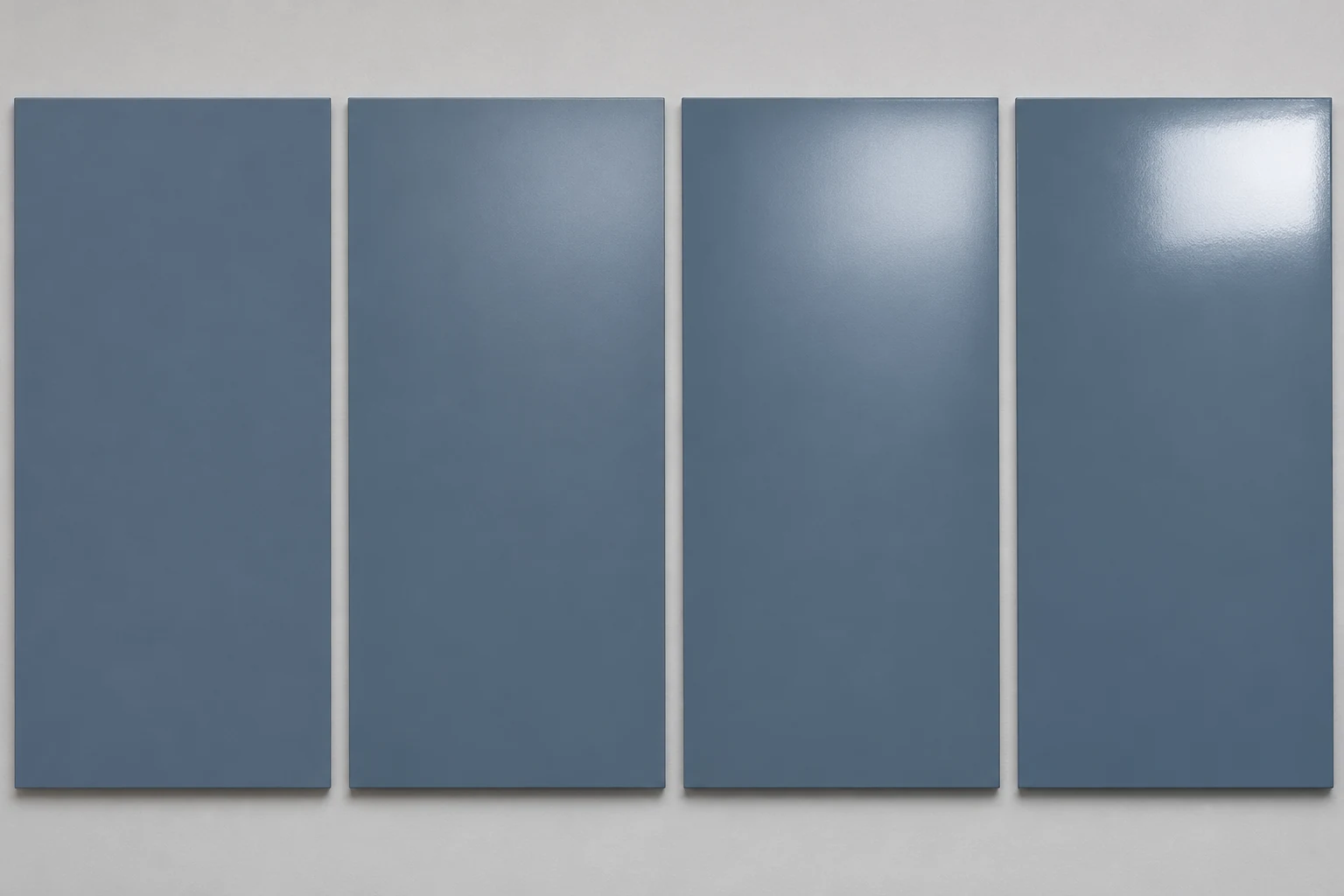

Gloss and high gloss
These give the sharpest reflections. Use a compatible coating on smooth trim, doors or a piece of furniture when you want to emphasize the shape.
Semi-gloss
This is a common starting point for doors, trim and some cabinets. Check that the specific paint is intended for the surface and how it will be cleaned.
Satin and pearl
These labels usually describe a noticeable soft sheen. Compare samples because manufacturers use the names differently.
Eggshell
This has a slight sheen that can work well on living-area and bedroom walls.
Flat and matte
These give a low-reflection look. They are common on ceilings and can make minor wall flaws less obvious.
Selecting the Right Sheen for Each Room
| Room or surface | Try first | Check before buying |
|---|---|---|
| Ceiling | Flat | Use a product suited to the room, especially where condensation collects. |
| Living room or bedroom | Matte or eggshell | Check how much the surface reflects windows and lamps. |
| Hall or playroom | Eggshell or satin | Compare the product’s washability and touchup guidance. |
| Kitchen or bath walls | Washable eggshell or satin | Use a coating rated for the conditions. Sheen alone does not make paint moisture or mildew resistant. |
| Doors, trim or cabinets | Satin or semi-gloss | Choose a coating rated for that surface and follow its prep and cure instructions. |
For a fireplace, use only a coating specifically rated for the surface and the heat it reaches. Check the product instructions before painting.

Tips for Choosing the Right Paint Sheen
- Paint two sample boards with the same color in different sheens. Apply the coats and let them dry as the manufacturer directs.
- Hold the boards against the surface in daylight and under the lights you normally use. Look straight on and from the side.
- Check the label for washability, touchups and cure time before buying paint for a surface you clean often.
🛑 Before sanding old paint in a pre-1978 home, check for lead paint and follow EPA’s lead-safe prep guidance.
Creative Uses of Paint Sheen
Explore the creative potential of paint sheen by experimenting with monochrome designs and patterns. Use the same color in different sheens to create subtle yet intriguing wall patterns.
For instance, alternate between matte and semi-gloss finishes to craft stripes, geometric shapes, or freehand designs. This technique adds depth and texture to your space without introducing new colors.
It's particularly effective in areas with good lighting, as the interplay of light and shadow will accentuate the different sheens, giving your room a dynamic and visually captivating look.
Conclusion
Browse our interior design guides for more ways to coordinate paint, walls and trim.
Choosing the right paint sheen for interior spaces is a crucial decision that balances aesthetics with practicality.
High-sheen paints like gloss or semi-gloss offer durability and ease of cleaning, making them ideal for high-traffic areas and surfaces prone to moisture.
On the other hand, lower sheens like matte or eggshell provide a sophisticated look and are excellent at hiding imperfections, suitable for living areas and bedrooms.
Satin finishes strike a middle ground with their subtle luster, versatility, and suitability for various rooms.
Remember, the sheen can significantly affect the perception of pain color and room lighting.
Experimenting with different sheens in your space, perhaps through test patches, can help you discover the perfect match that meets your functional needs and design aspirations. Embrace the variety of sheens available to enhance your home's unique character.
And if you want to learn more about interior design and its exciting possibilities for your home, don't forget to check out the rest of our interior design blog!
Thanks for reading!
📘 Related Reading: The 7 Elements of Interior Design

Lara Harding
Lara is a supporting author @ DIY Home Comfort. She's an experienced interior designer and decorator and a full-time mom. You can find out more about her here.