The Most Efficient Way to Use Your Heat Pump
Use model-appropriate heat-pump settings, airflow maintenance and load reduction, and compare actual operation without universal savings promises.
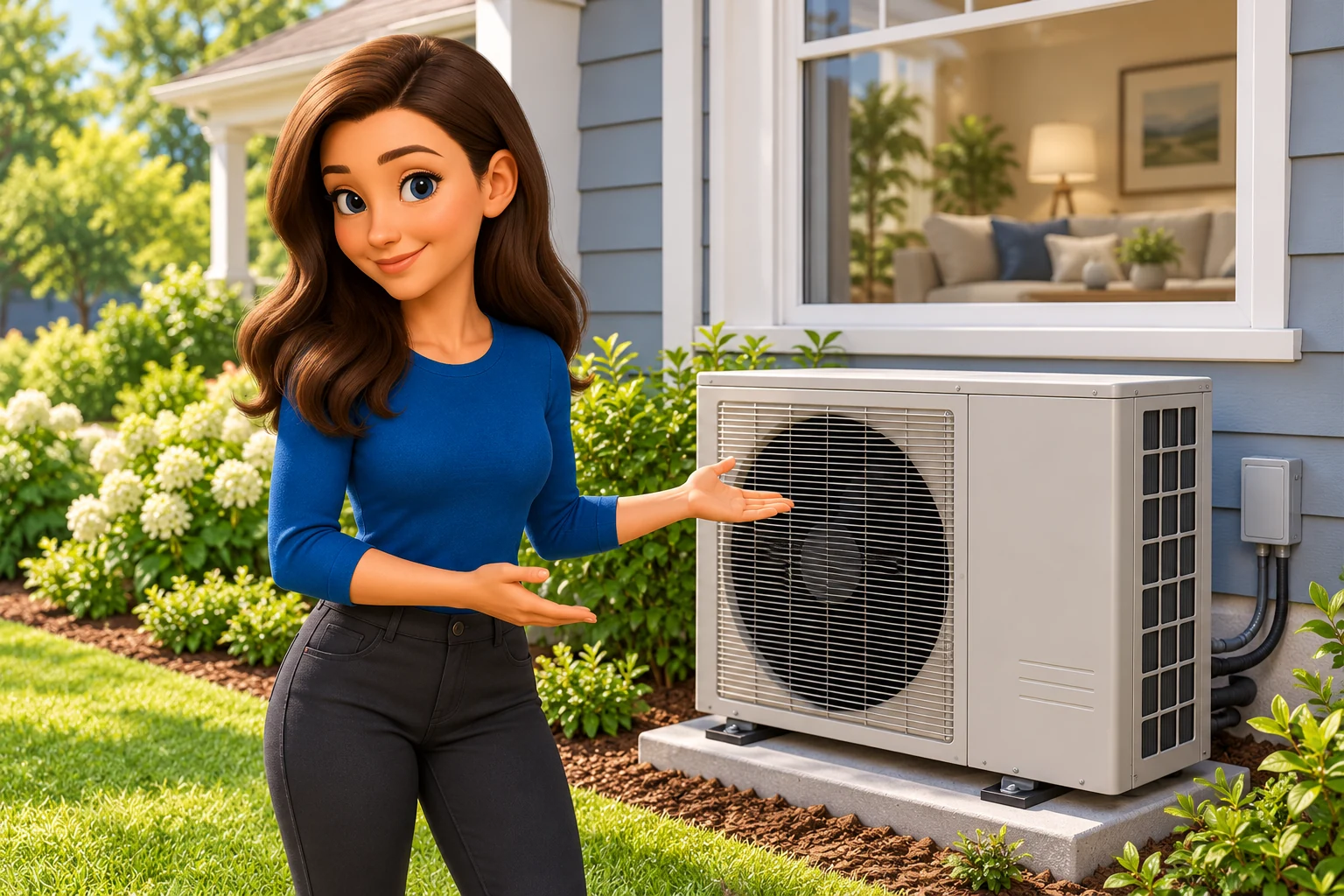
The most efficient way to use your heat pump is to match its controls to the equipment, maintain airflow and reduce the home's heating or cooling load. A single thermostat setting, fan mode or setback rule cannot suit every climate and system.
Start with the operating manual and commissioning record. For equipment selection rather than daily use, see our heat-pump buying guide.
Choose the intended operating and fan modes
Thermostat System Auto commonly means automatic switching between heating and cooling. Fan Auto commonly means the indoor fan follows equipment calls. These are separate choices. A ductless unit may also offer an automatic fan-speed setting with its own behavior.
Use the mode and fan operation recommended for your equipment and humidity needs. Continuous fan operation can use extra electricity and, on some cooling systems, re-evaporate moisture from a wet coil. It may be intentional for filtration or ventilation in a properly designed system. Do not assume an Auto label describes the same function everywhere.
Use a schedule that suits the controls
A setback reduces heat loss while the indoor temperature is lower in heating season. Recovery can call for resistance backup on some systems, changing the result. Compatible adaptive controls and variable-capacity equipment can behave differently from older thermostats.
Try a practical schedule that preserves comfort and avoids unwanted backup during recovery. Check actual run time, Aux indications and energy use. The DOE heat-pump overview explains the distinction between moving heat and supplemental resistance heat; it does not establish a universal schedule for every installation.
Keep airflow and heat exchange available
| Owner task | What to do |
|---|---|
| Filter | Use the approved type, size and service interval; a higher rating must suit the available airflow |
| Indoor air paths | 🛑 Keep returns and supplies clear; do not cover ductless heads or close many registers |
| Outdoor unit | Keep the required clearances free of leaves, snow and stored items without damaging fins |
| Condensate | Watch for leaks or overflow and follow the approved maintenance method |
| Professional service | Request checks appropriate to the equipment, symptoms and maintenance requirements |
🛑 Do not open electrical compartments, add refrigerant, bleed a ground loop or change water-treatment settings as routine homeowner efficiency work. These actions need the appropriate expertise and installed instructions.
Reduce the load before chasing settings
Air sealing, insulation, sensible shading and correctly designed ducts can reduce the work the system must do. Prioritize measured problems rather than covering vents or buying a control accessory as a cure for undersized equipment. Our HVAC energy-efficiency guide provides a decision sequence.
For hydronic systems, water temperature and weather compensation affect performance, but a recommended flow temperature for one floor or radiator system is not a rule for all air-to-air or water-heating equipment. Let a qualified designer check emitter output and comfort at proposed settings.
Keep domestic hot-water safety separate
For domestic hot water, follow the water heater's separate instructions and applicable public-health guidance. Do not use a generic weekly disinfection cycle or a fixed offset between heat-pump and backup water temperatures. Storage temperatures, sanitation modes and scald protection need to account for the equipment and vulnerable occupants. Use our separate heat-pump water-heater settings guide.
For the next planning step, see home energy efficiency.
Conclusion
Use the installed controls as designed, preserve airflow, reduce verified building losses and compare results under similar weather and occupancy. Persistent ice, poor comfort or unexpected backup calls need diagnosis rather than another generic thermostat rule.
Continue with our heat-pump guides for related homeowner decisions.

Scott Harding
Scott is the main author of DIY Home Comfort. Learn more about the team and our approach on the About page.