Water Heater Not Heating? What to Check When Every Tap Runs Cold
If water flows but stays cold at every tap, compare recent use, outages and visible heater settings. Find the next check for your tank or tankless model.

If water flows normally from the hot tap but stays cold, try a second sink that usually gets hot. Give each tap its usual time to warm up. If the other sink gets hot, start with the affected fixture. If both stay cold, the most useful clues are when you last had hot water, what kind of heater you have and whether its display shows a message.
🛑 If you smell gas or a carbon monoxide alarm sounds, get everyone outside immediately. Leave switches and appliances alone. From a safe location away from the building, call 911. Stay outside until responders say it is safe to return. Read the U.S. Consumer Product Safety Commission’s emergency guidance.
When did you last have hot water?
- It was hot before back-to-back showers. A storage heater may have used up the hot water it had ready. Give the tank a quiet stretch with no showers, laundry or dishwashing. Use your model’s recovery guidance to decide when to check one sink again. If heat returns but keeps running short during ordinary use, see why hot water runs out so fast.
- Hot water disappeared during an outage. Check the utility’s service notice. Once service returns, a storage heater needs time to heat the tank. If the tank was drained during the outage, have the installer confirm it is full and safe to restart before anyone restores power to it.
- It was cold on the first use of the day. Overnight demand, an away setting and a heater that has stopped heating can feel the same at the tap. Note any heavy use or visible mode change. Cold water after an otherwise quiet night is worth reporting.
If nothing comes out of the hot tap, or the shower is cold while the sink beside it gets hot, use the water heater troubleshooting guide by symptom. Those patterns point to different next steps.
What can you check on your type of heater?
Use the equipment name on the owner’s manual or installation receipt if you have it. A tall tank might use gas, electric elements or a heat pump. If your home lost power, even the kind of gas heater you own can make a difference.
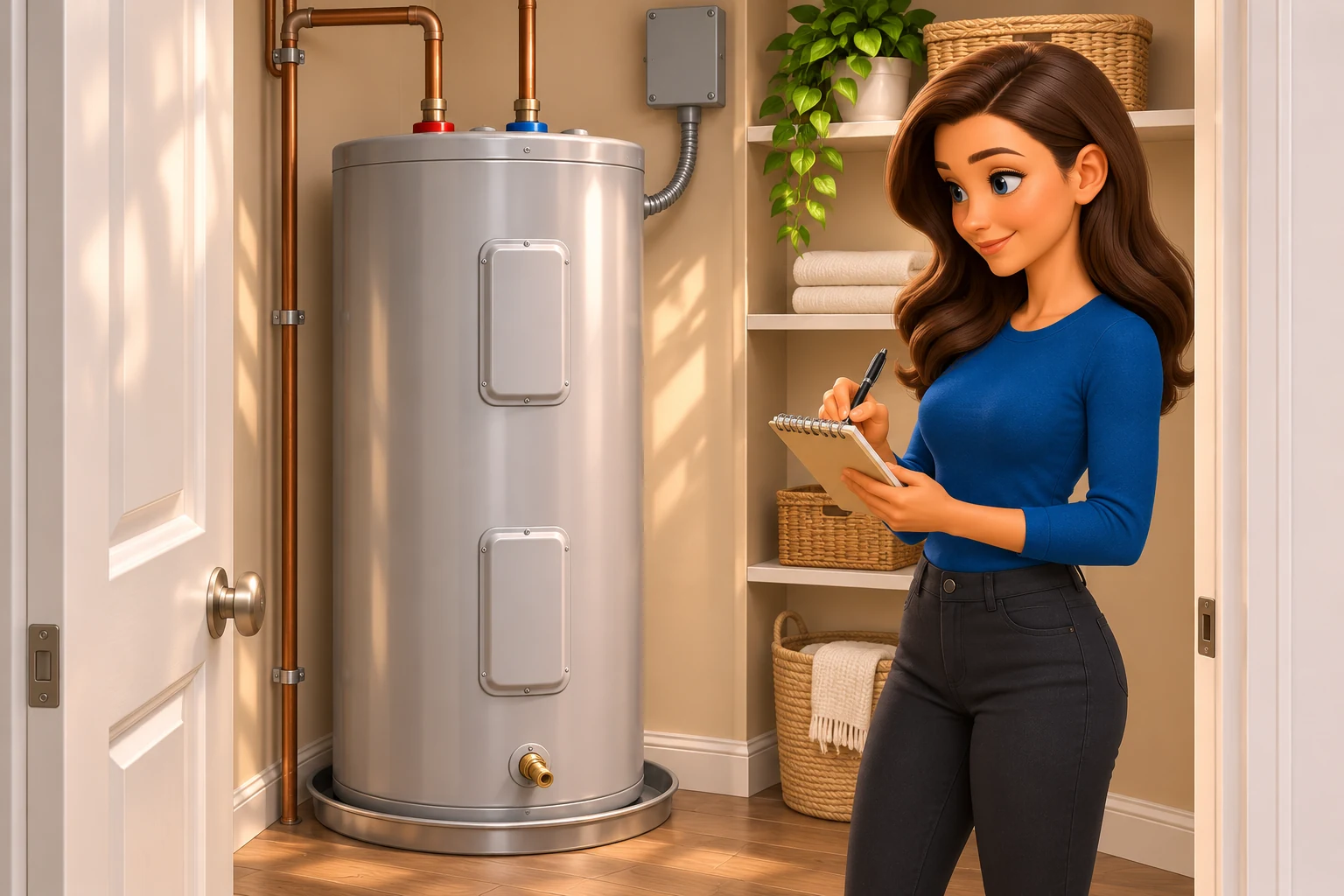
- Standard electric tank. Note any known power interruption or recent electrical work. Many tanks have no user display. A technician can check the power supply, thermostat and heating elements if the tank stays cold. Leave the access covers in place. GE lists possible causes for an electric heater with little or no hot water.
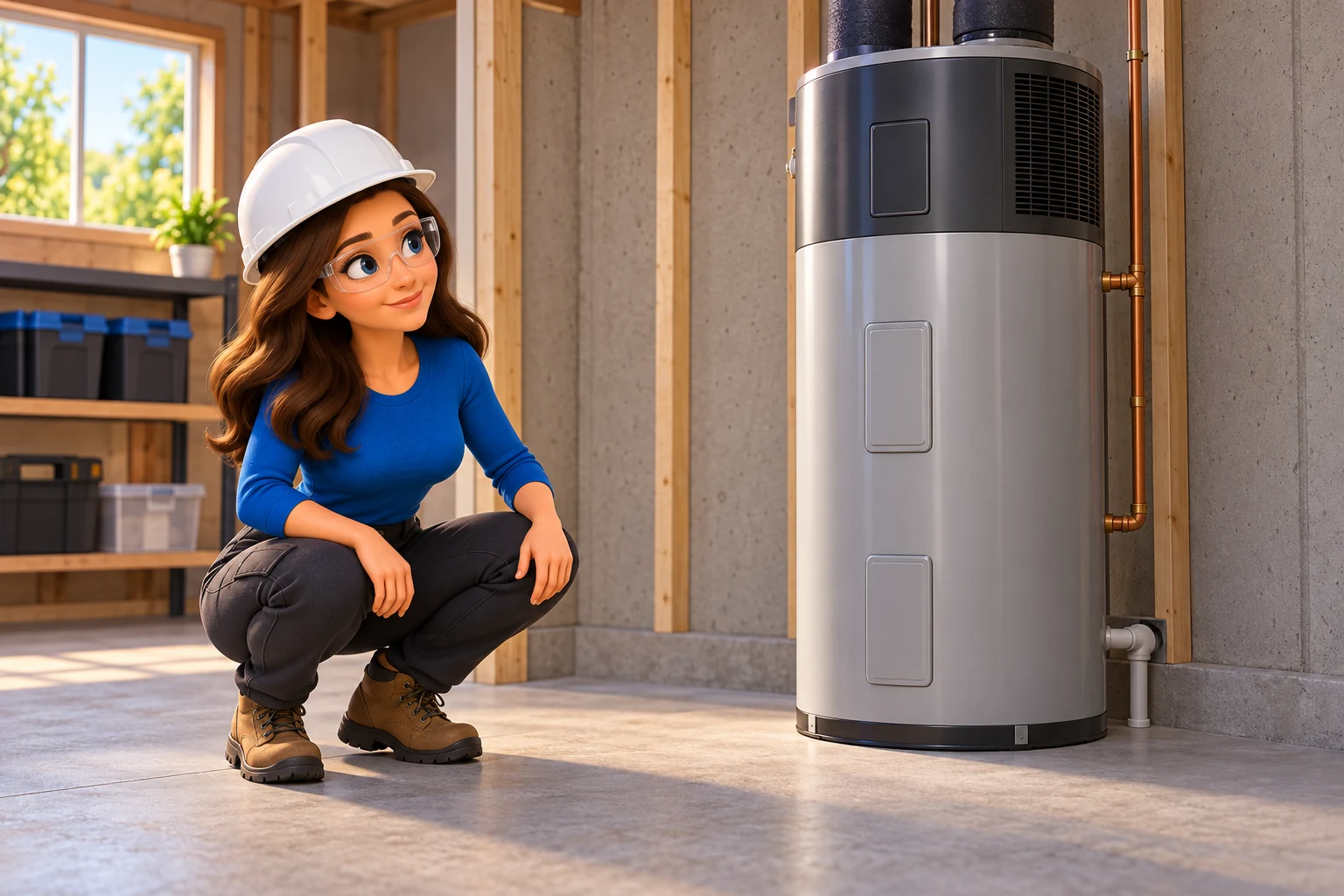
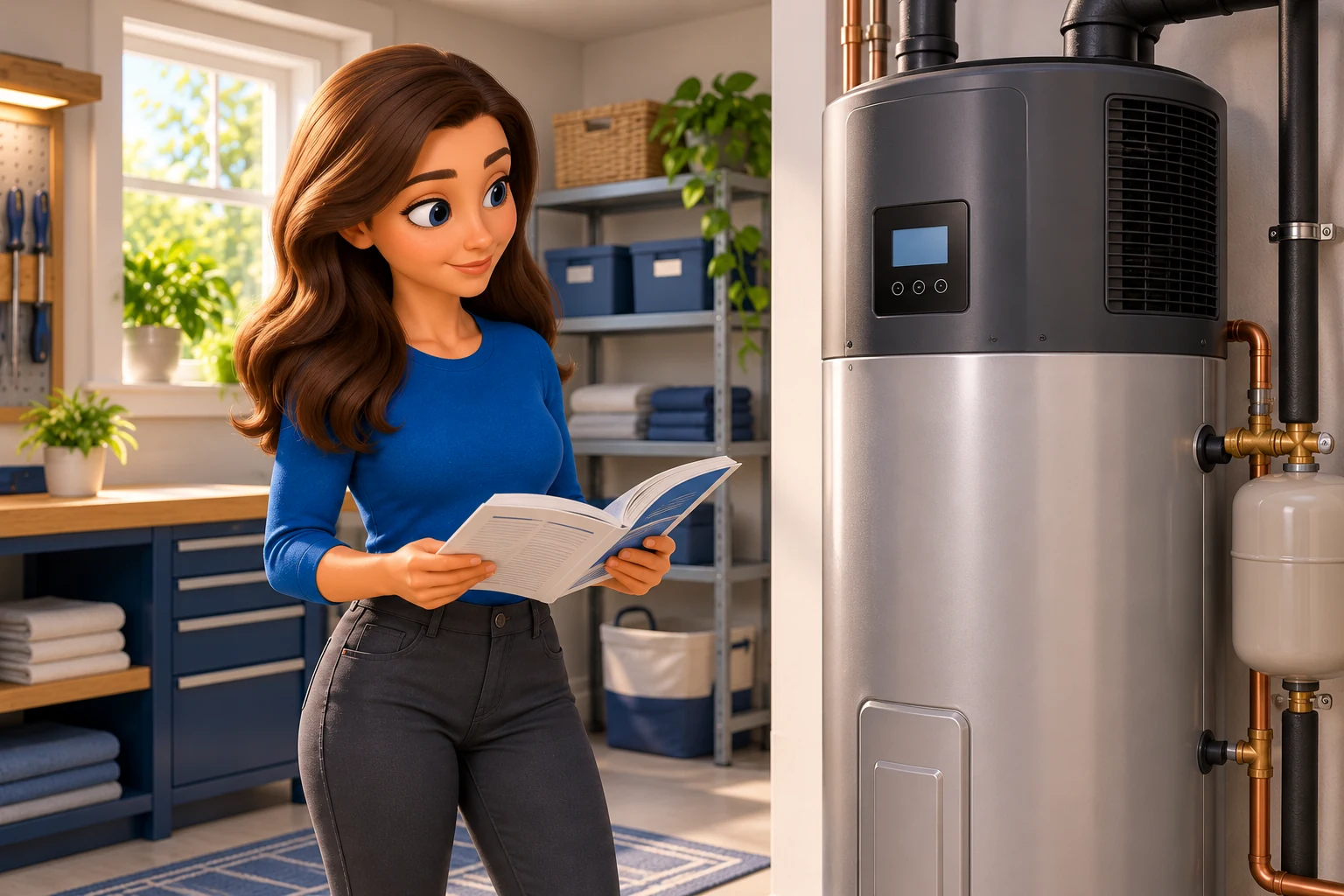
- Heat-pump or hybrid tank. Read the mode on the front display. Did vacation mode stay on after a trip? Check the owner’s manual for how to return to your normal schedule. The tank still needs time to warm up. See heat-pump water heater settings for how the modes differ.
- Gas storage tank. If it has a status light you can see from outside, note its color and blink pattern. Give the technician the pattern and model number. Leave ignition, venting and gas-control checks to qualified service personnel.
- Tankless unit. It heats water as it flows, so waiting for a tank to recover won’t help. Note whether the display responds during ordinary use at a sink and copy any code exactly. If only a low-flow tap stays cold, mention which other fixture does get hot.
How can you tell whether a storage tank is heating again?
Recovery is the time the heater needs to warm the cold water that replaced what you used. Start the clock when heating could actually resume. If the power came back at noon but someone took a shower at one, tell the service company about both times. Leaving a hot tap running to see whether it warms up keeps drawing from the tank. Close the tap between checks.
Suppose the water went cold at the end of a busy morning. After a break, one sink gets as hot as usual and stays that way through ordinary handwashing. That tells you the heater delivered some hot water again. It still leaves open whether it can supply your usual shower. If the same sink stays cold after the recovery period in the manual, you have a different symptom to report.
Time estimates depend on the starting water temperature and how the tank heats. Colder incoming water takes longer to warm. On a hybrid model equipped with backup elements, heat-pump-only mode can also take longer than a mode that allows those elements to help. Check which mode was active before judging recovery against a time you remember from another season. ENERGY STAR explains how heat-pump water heater modes affect recovery.
Has the heater ever delivered hot water since the installation?
If the answer is no, call the installer and ask two questions. When did the initial heat-up begin, and did anyone confirm hot water at a faucet before leaving? A replacement tank starts with a full load of cold water. The time on the receipt may be hours before anyone finished the work and turned the heater on.
A working tap on installation day changes the conversation. For example, “We had hot water at the kitchen sink that evening, but it was cold the next morning” tells the installer that the system delivered heat at least once. “Both sinks have been cold since the crew left” gives them a reason to check the original startup, the energy supply and the hot and cold pipe connections.
The same question helps after plumbing work on an older heater. A faulty mixing valve can let cold water cross into the hot piping. If the change began right after a shower valve or faucet was replaced, mention that job even if the heater itself was never touched. A plumber can check where the mixing is happening before recommending heater parts.
🛑 An electric heating element can burn out if power reaches it before the tank is full. If work involved draining the heater and you’re unsure how it was restarted, leave the controls alone and contact the installer. Whirlpool explains the risk during electric tank startup.
What can a technician learn from a cold tank?
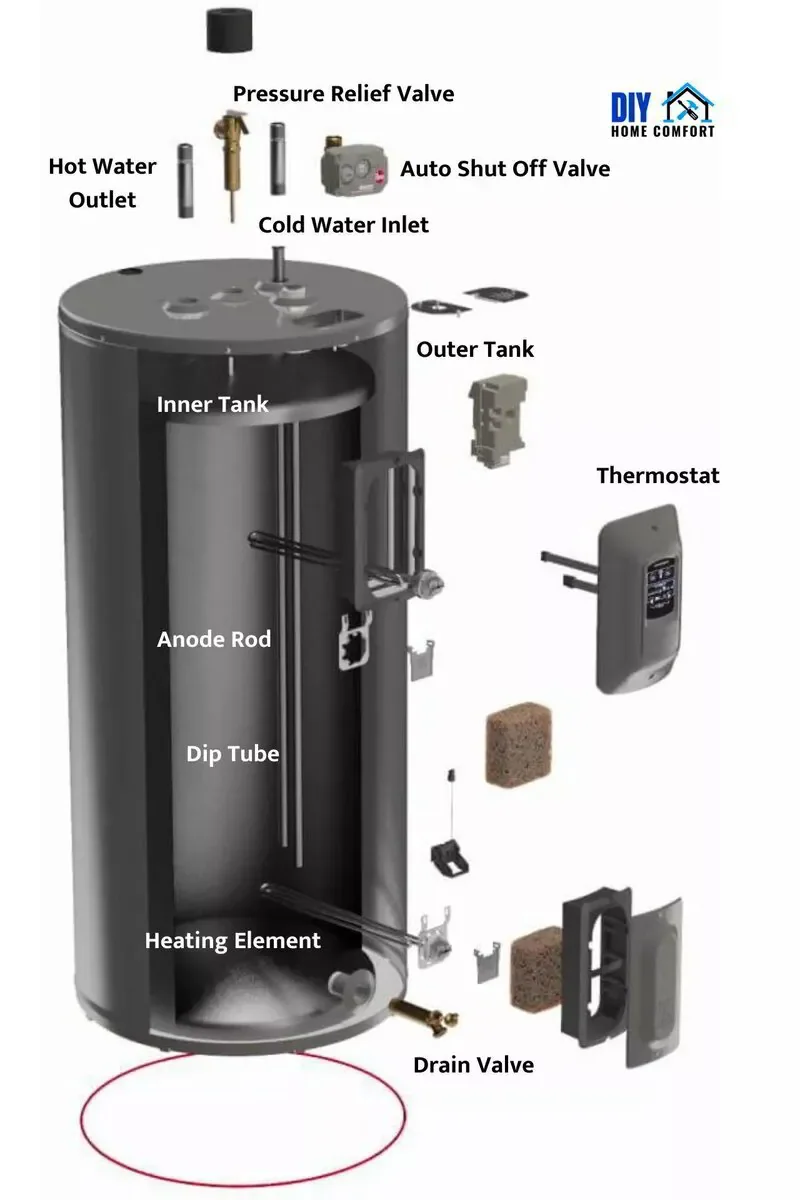
On a standard electric tank, a heating element warms the water and a thermostat calls for heat as the water cools. On many two-element models, the upper part of a cold tank heats first. Trouble with that first heating stage can leave you with cold water throughout the house. If you get a short burst of genuinely hot water each morning, tell the technician. That detail changes which part of the heating cycle they’ll want to check.
The safety cutoff can also interrupt heating if the tank overheats. If someone already reset the heater or its circuit breaker and the hot water disappeared again, say how long it lasted. A technician can check the supply, controls and elements and investigate what caused the interruption. Leave a tripped device as you found it instead of trying to make the heater run again.
On a gas tank, the ignition system matters. Some models have a small standing pilot flame and a sensor that confirms the flame is present. Others use electronic ignition. A power-vented model also relies on electricity to run the fan that moves exhaust outdoors. If the hot water disappeared during a power outage, tell the technician even if your gas service continued. A. O. Smith’s power-vent model guide describes how loss of blower power affects heating.
On a tankless heater, the sequence matters more than the time between uses. Did the shower run cold from the moment you opened it, or did it warm up and then turn cold as a code appeared? Write down which happened first. The model number lets service staff look up what that code means for your heater, even if the display clears when you close the tap.
What should you tell the person taking the service call?
Give the last known time the water was hot, the fixtures you tried and what happened after any outage ended or the tank had time to recover. Include the model from an accessible label or your paperwork. If your building supplies shared hot water, report the affected taps to building maintenance. They can check whether neighboring units have the same problem.
For example, a homeowner might say, “The kitchen and bathroom sinks both ran cold this morning. The last hot shower was yesterday evening. Nobody ran the dishwasher or did laundry overnight. Our hybrid tank’s display is on, and I took a photo of the message.” That gives the technician a timeline and the exact message to look up.
Conclusion
If every tap still runs cold after normal service and recovery time, arrange service. Save a photo of the model label and a copy of the owner’s manual while they’re easy to find. For help with recovery, controls or a different symptom, browse our water heater guides.

Scott Harding
Scott is the main author of DIY Home Comfort. Learn more about the team and our approach on the About page.