Clogged Drains: What to Check First
Match a slow sink, shower, toilet or multiple backed-up drains to the safest next step. Know when to stop using water and call for help.

If only one fixture drains slowly, start by looking for a blockage right at that fixture. If drains in different rooms slow down together, or flushing the toilet sends water up into the shower, a pipe they share may be blocked. The fixtures affected tell you where to start and when to stop.
🛑 If wastewater is coming up through a drain, stop using sinks, showers, toilets, the washer and the dishwasher. Keep people and pets away from the spill. Contact a plumber or follow your local sewer utility’s instructions for reporting a backup.
Match the symptom to your next step
| What you see | What it could mean | What to do |
|---|---|---|
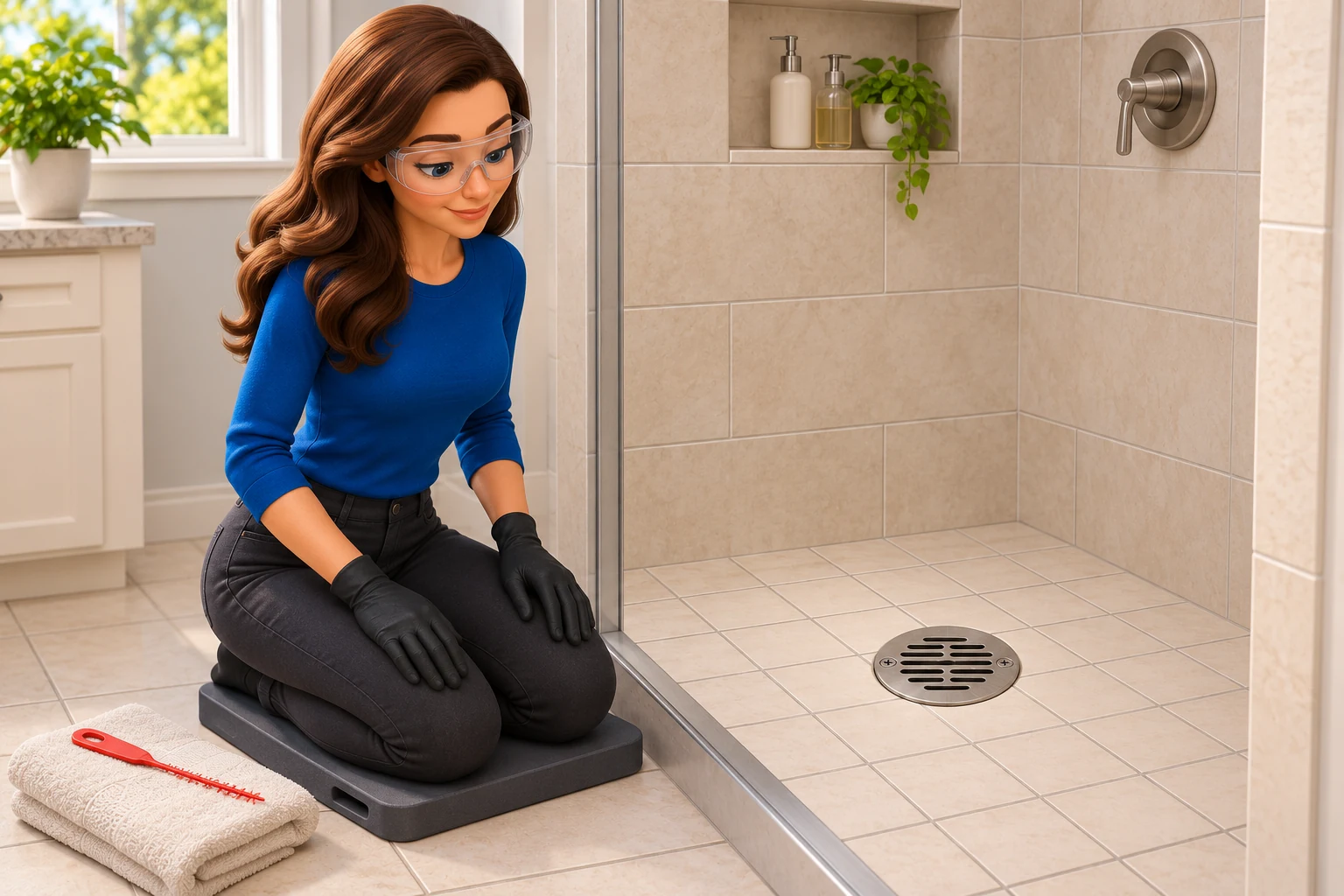
| Only the shower is slow | Hair or soap buildup at the cover or just below it | Check the cover. Follow the shower drain steps if nearby fixtures drain normally. |
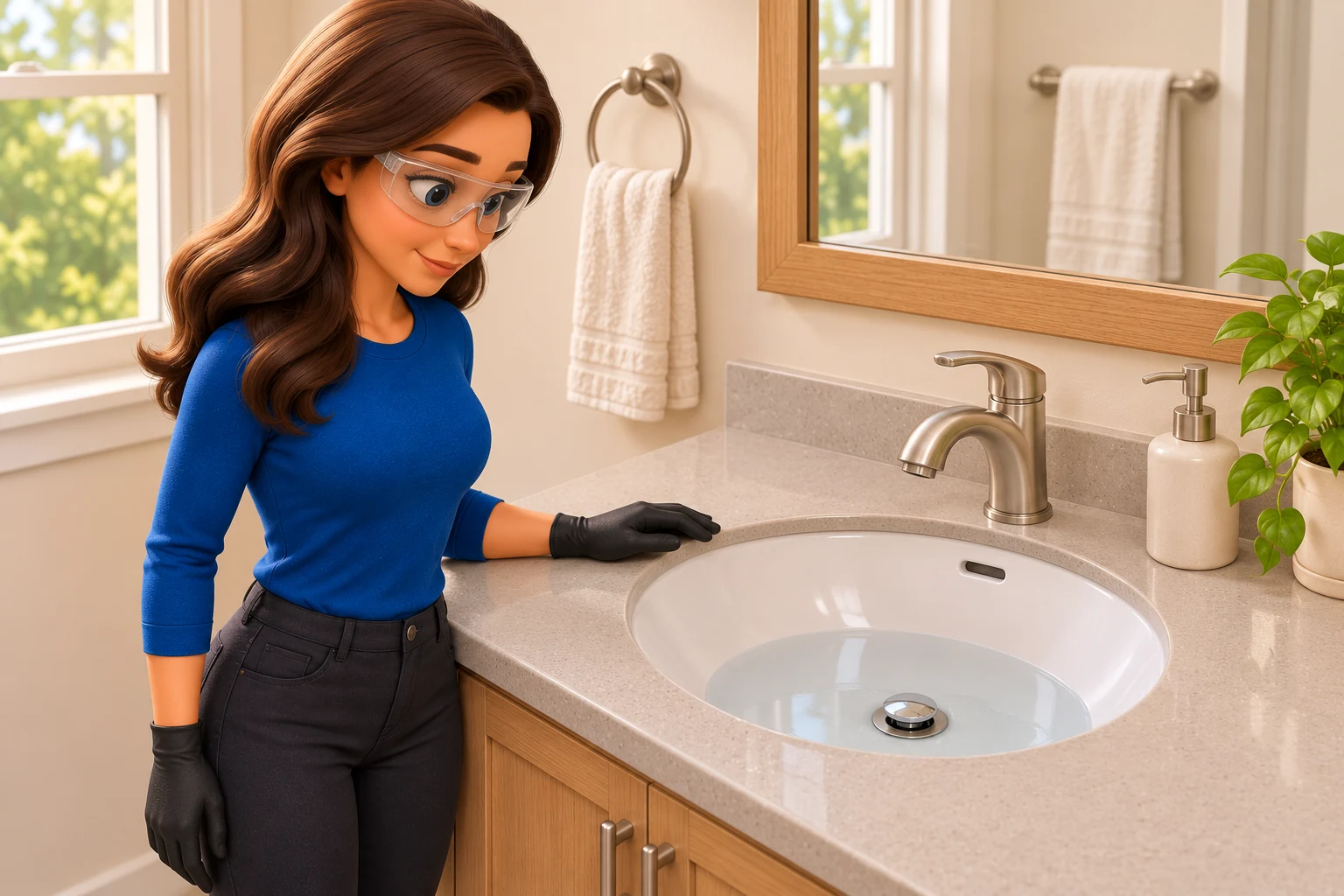
| Only the bathroom sink is slow | Debris around the stopper or farther down that sink’s drain | Lift a stopper designed to come out by hand and clear what you can reach. Check the fixture instructions if it stays in place. If the sink still drains slowly, follow the slow draining bathroom sink guide. |
| Only the kitchen sink is slow | Food at the strainer or a blockage farther down | Empty a removable basket strainer. Arrange help if both bowls keep filling or water comes back when you run the dishwasher. |
| Only the toilet bowl rises when you flush | A possible toilet clog | Pause flushing. Use the toilet plunging guide once the water level is low enough to work without spilling. |
| A toilet flush makes the tub bubble, or several drains are slow | A possible blockage in a pipe the fixtures share | Stop testing with more water and arrange a plumbing check. If wastewater comes up, follow the backup advice above. |
Start at the opening when one fixture is affected
- Turn the water off and look at the opening. A flashlight can help you see hair on a shower grate or debris around a sink stopper. If another drain already backed up, skip the fixture test.
- Remove what you can reach. Wear gloves and put the debris in the trash. Lift only a removable strainer or stopper. Leave fixed parts in place and check the fixture manual if you’re unsure whether the piece comes out.
- Test with a little water. Once the cover or stopper is back in place, add a small amount of clean water. If that drains, briefly run the tap or shower at low flow and watch for pooling. Stop if the water level starts to rise.
For a simple sink clog, a flat cup plunger can be an option if you can get a seal and there’s no drain cleaner present. A sink overflow or a second bowl can let air escape. Korky’s sink plunging guide shows where to cover those openings. A toilet uses a different plunger. If the bowl behavior is hard to read, start with our toilet problems guide.
When several drains are slow or backing up
Think about where you saw the problem first. A slow sink and shower in the same bathroom may share a drain farther down. A basement floor drain bubbling when the washer empties is another reason to stop adding water and call for help. Those clues help a plumber narrow the search. They can’t tell you on their own where the blockage is.
Tell the person you call which fixtures are affected, what was running when backup started and where water came up. If you’re on a public sewer, look up the utility’s reporting procedure. For example, Portland advises calling a plumber first and explains when to report the backup to the city. If you have septic, tell the plumber or septic service that when you call.
If someone already used drain cleaner
🛑 Drain cleaner can splash back and cause burns. If cleaner may still be in the drain or standing water, stop work. Keep other products and tools out of the drain and tell the plumber what was used.
Keep the bottle or take a picture of the label so you can identify the product. Poison Control explains what to do if you’re exposed.
Keep the drain clear after it works again
- Empty shower hair catchers and sink strainers into the trash.
- Scrape food into the trash or compost where accepted, and keep cooking grease out of the sink.
- Use the trash for wipes and paper towels.
- Get a recurring clog checked, even if water runs freely right after you clear it.
If the fixture drains normally and the main problem is odor, use our smelly drain guide to look for the source.
Conclusion
Check the opening first when one fixture is slow. When multiple fixtures act up together or wastewater comes back, pause water use and get help locating the problem.
Explore more plumbing guides for help with common household fixtures.