Types of Air Conditioners Explained: Choose by the Application
Understand central, ductless, room and packaged AC systems, compare actual ratings and loads, and distinguish evaporative cooling and heat pumps.
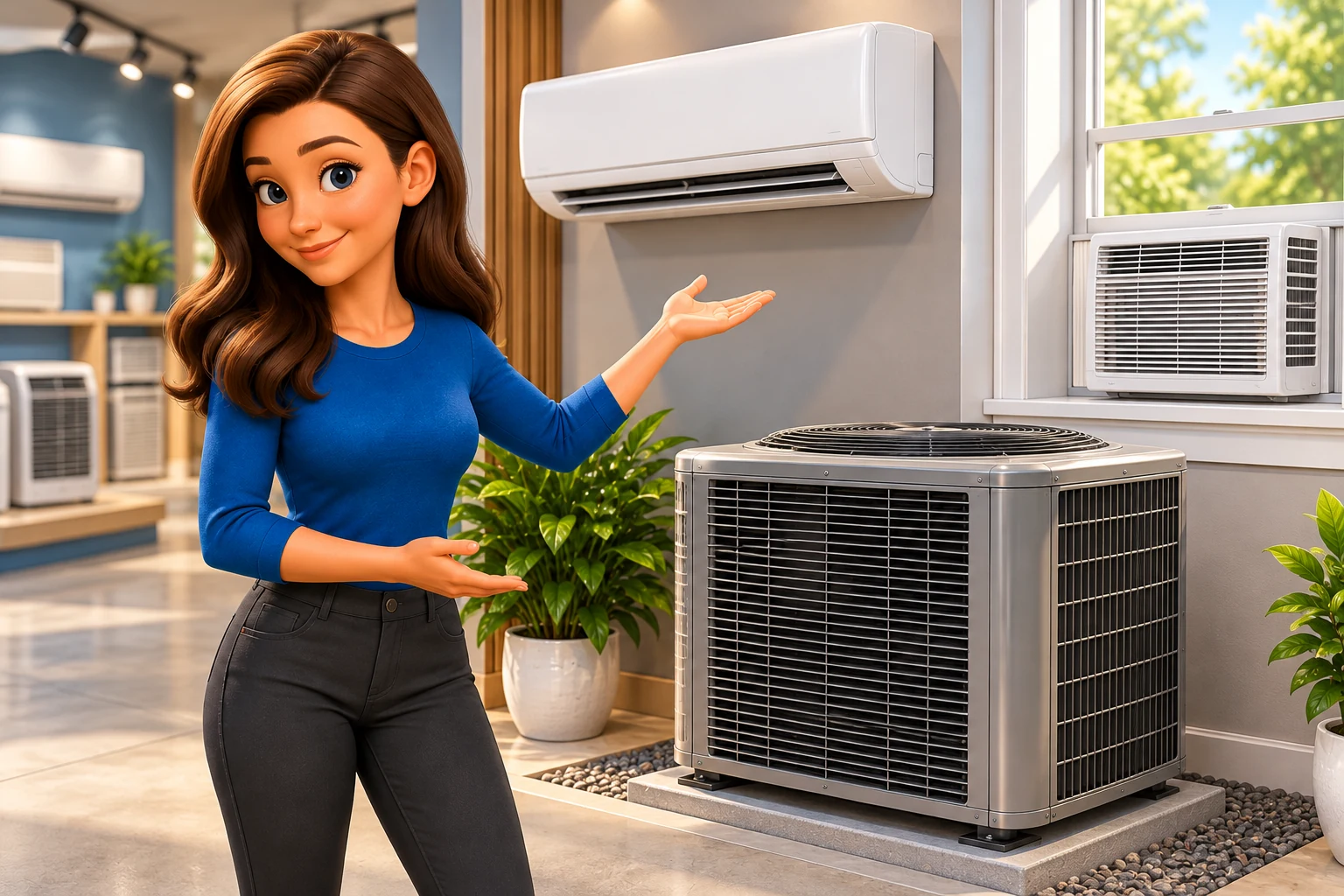
Air conditioners are best compared by how they remove heat and distribute cooling. Central split, ductless, room and packaged systems describe different layouts; a heat pump adds reversible heating. No layout is automatically the quietest, cheapest or most efficient in every home.
Refrigerant-based system layouts
| Type | Basic arrangement | Planning questions |
|---|---|---|
| Central split | Outdoor compressor/condenser with an indoor coil and ducted air handler or furnace blower | Are the match, ducts, airflow and load suitable? |
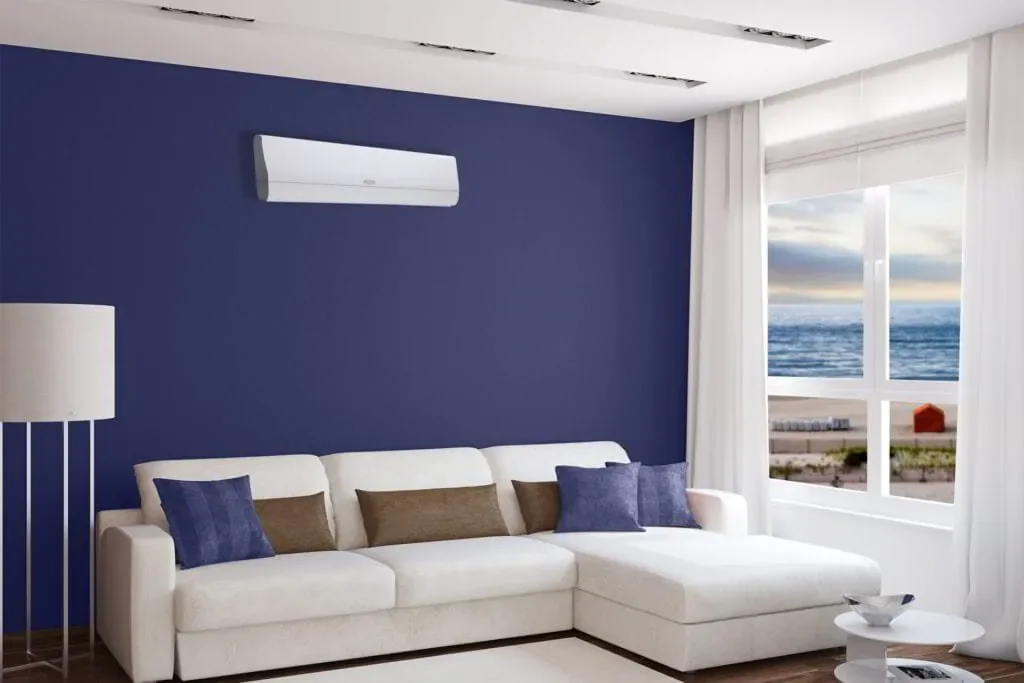
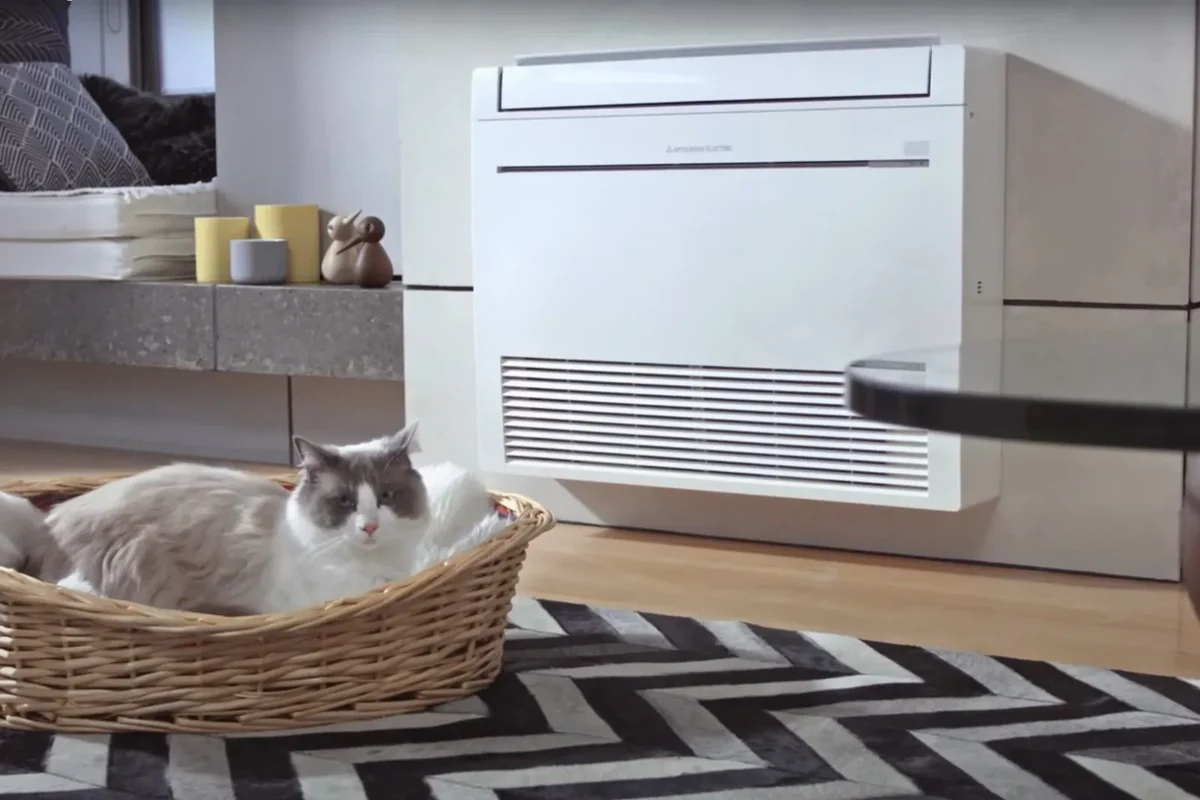
| Ductless mini-split | Outdoor unit connected to one or more indoor heads or compact ducted units | Can each room be served at peak and part load? |
| Packaged system | Major refrigeration components in one cabinet connected to the distribution system | Are location, ducts, access and building connections appropriate? |
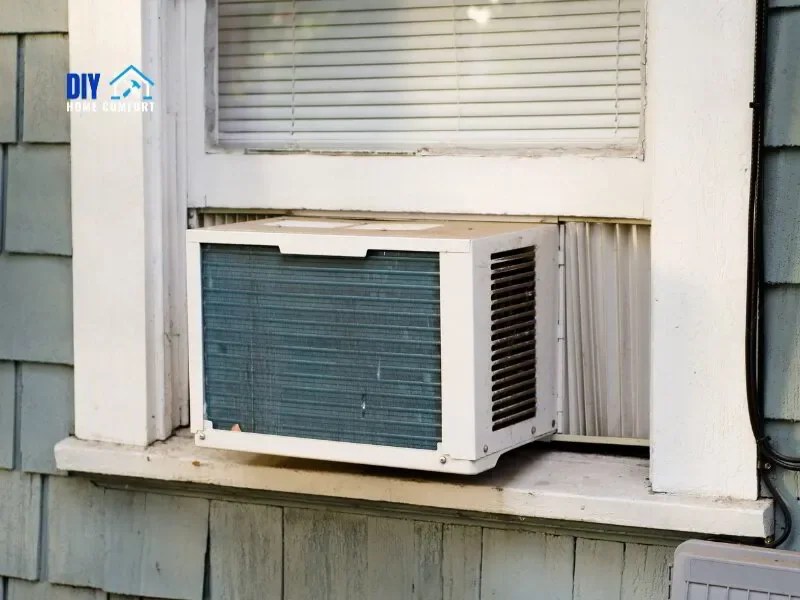
| Window or through-wall room AC | Self-contained unit serving a room through an approved opening or sleeve | Do opening, support, weatherproofing and electrical supply match the model? |
| Portable room AC | Indoor appliance with a designed outdoor exhaust arrangement | How do exhaust, replacement air, drainage and rated capacity affect the room? |
A central split does not put both coils outdoors. A condominium installation may use different equipment types; the building label alone is not a technical category. Ductless equipment can be cooling-only or a heat pump.
Compare capacity and efficiency
Begin with the served space's sensible and moisture loads. Compare the correct product ratings and test conditions; portable and central equipment do not necessarily use directly interchangeable labels. Seasonal efficiency alone does not establish design-day output.
The ACCA Manual S overview describes selection based on loads and performance. A through-wall model is not inherently quieter or more efficient than a window model. Compare actual specifications, sound measurement conditions and installed arrangement.
Window and wall installation details vary
🛑 Use the exact mounting, support, sleeve, tilt and weather-sealing instructions. Some units retain condensate for a slinger system; others have specific drainage provisions. Do not drill a drain hole or impose a generic outward tilt on every model.
🛑 The Midea room-AC manual illustrates model-specific requirements. Maintain emergency egress and comply with building or landlord requirements. Structural and electrical uncertainties need qualified help.
Heat pumps and ground-source systems
A reversible heat pump cools through the same basic vapor-compression process as AC, then reverses heat flow for heating. Ground-source systems use a designed loop rather than outdoor air as the source/sink. Their economics include drilling or trenching, pumps, distribution and maintenance.
Neither ground-source payback below a fixed number of years nor a universally cheaper dual-fuel sequence can be assumed. Compare complete project costs and local tariffs. See heat-pump versus AC cooling and the buying guide.
Evaporative cooling is different
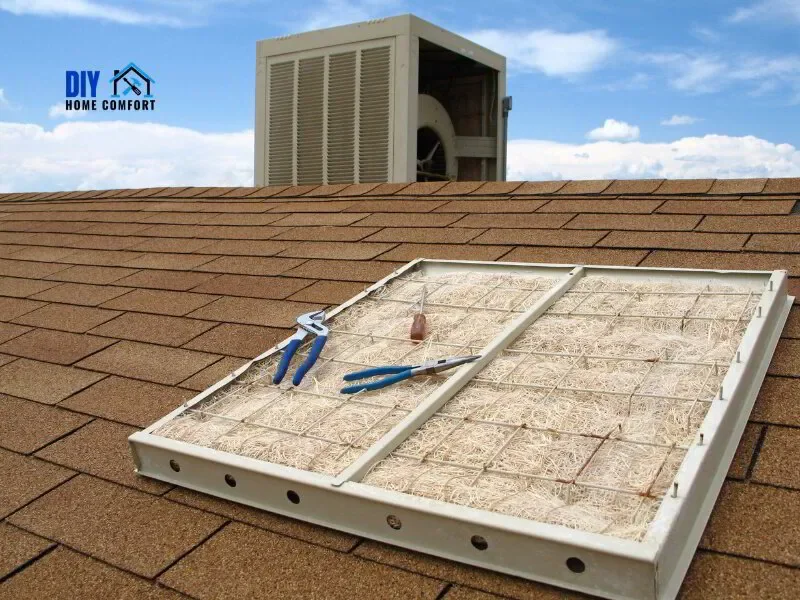
Evaporative coolers cool air by evaporating water instead of using a compressor refrigeration cycle. Outdoor dry-bulb temperature is the ordinary air temperature. Wet-bulb temperature reflects cooling by evaporation and depends on how much moisture is already in the air. Performance also depends on ventilation, water availability and acceptable indoor moisture. A single outdoor relative-humidity cutoff does not establish performance.
They add moisture and require an appropriate air path and maintenance plan. Evaluate local design conditions rather than assuming they can replace AC in any climate.
Current cost and incentive checks
Compare installed scope, operating energy, maintenance and the heating plan. As checked October 30, 2026, former federal homeowner 25C/25D credits ended for the relevant post-2025 timing; verify the IRS instructions and separate current local programs. Do not use an old net-price table as a quote.
For the next planning step, see HVAC efficiency ratings.
Conclusion
Choose the system layout around the space, load, installation constraints and heating needs. Request matched performance data and documented commissioning checks before relying on a broad type ranking or a cost claim.
Continue with our HVAC guides for related homeowner decisions.

Scott Harding
Scott is the main author of DIY Home Comfort. Learn more about the team and our approach on the About page.