Musty Smell in Bathroom: Find the Moisture Source
Find the source of a musty bathroom smell with quick moisture checks, a cause-and-next-step table, drying advice and clear cleanup limits.

A musty smell in a bathroom is a reason to look for moisture and materials that stay damp. Check towels, bathmats, moisture that lingers after showers, leaks and dirty drain openings. Smell alone does not identify mold or tell you whether it is hidden behind a wall.
Find where the odor is strongest and what makes it return. If it smells like sewage rather than damp fabric or a stale room, use the bathroom-smells selector to choose the right investigation.
Make these quick checks first
- Remove wet towels, bathmats and stored cleaning cloths from the room.
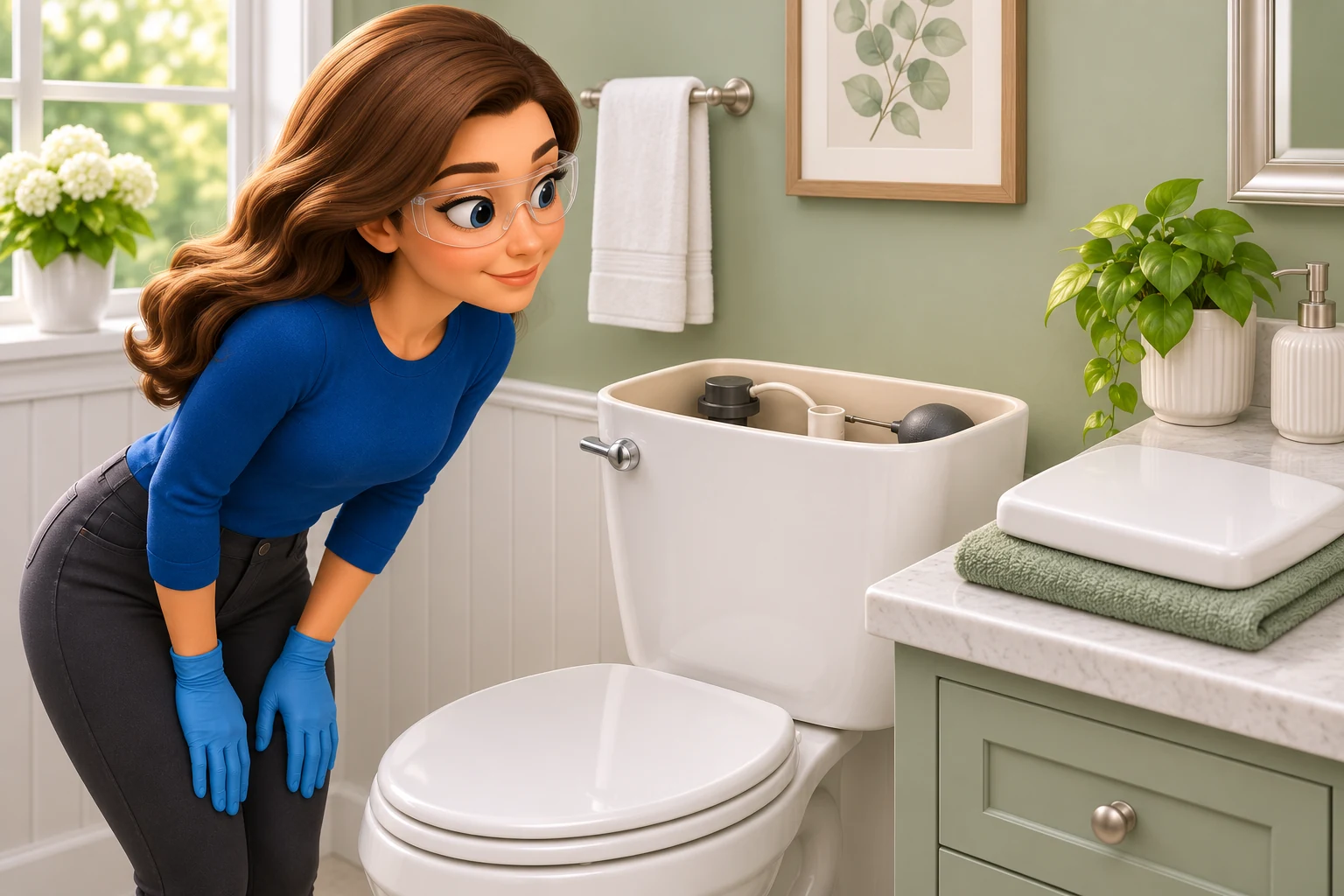
- Look under the sink and around the toilet for drips, staining or soft materials.
- Notice whether the smell appears mainly after showers or remains when the bathroom is unused.
- Check whether the strongest odor is at a drain opening, a cabinet or a damp surface.
- Check normal exhaust-fan operation without opening electrical covers or entering an attic.
A freshener can change what you smell without drying the source. Make one change at a time where practical so you can tell whether it helped.
Match the moisture pattern to the next step
| Pattern | What to check | Useful next step |
|---|---|---|
| Odor improves after removing fabrics | Wet towels, mat backing, laundry and cleaning tools. | Wash items as directed and dry them fully before returning them. |
| Room stays damp after showers | Condensation and whether the exhaust system actually removes moisture. | Use ventilation correctly; arrange service if it is ineffective. |
| Persistent odor inside a vanity | Visible drips, staining and stored damp items. | Stop the leak and assess affected materials. |
| Odor is strongest at a drain | Accessible film around the stopper, opening or overflow. | Use the smelly-drain cleaning guide. |
| Odor persists with staining, swollen trim or recurring wetness | A concealed moisture source may need investigation. | Arrange qualified inspection rather than painting or caulking over it. |
Dry the room and fix the moisture source
- Remove the wet items. Launder washable fabrics according to their labels. Replace items that cannot be cleaned and dried appropriately.
- Address visible leaks. A damp vanity will stay damp if a supply or drain connection continues to drip. Get a plumber when the cause or repair is beyond straightforward owner care.
- Use the bathroom exhaust system. Run it during moisture-producing use and afterward as needed to dry the room, following its controls and instructions.
- Check the result. Persistent condensation, slow drying or repeated odor calls for a closer look at ventilation and moisture.
- Keep items dry between uses. Spread towels to dry and leave washed surfaces and cleaning tools able to dry.
A running motor does not establish that air is being exhausted effectively. EPA's bathroom ventilation guidance calls for exhaust to the outdoors, rather than an attic or another enclosed space. Have installation or duct faults corrected by an appropriate professional.
Handle visible mold appropriately
Follow EPA's homeowner mold-cleanup guidance before attempting cleanup. It describes small-area work, protective precautions and situations needing professional help. The size of the patch is only one consideration.
- Fix the water problem; surface cleaning alone does not correct a leak.
- Suitable hard surfaces may be cleaned with detergent and water and dried completely.
- Porous materials can be harder to clean and may need replacement.
- 🛑 Do not paint or caulk over moldy or still-wet surfaces.
- Get experienced help for substantial damage, hidden growth, contaminated-water damage or uncertainty about safe cleanup. Seek health advice first if you have health concerns.
🛑 Do not mix cleaning products or use a routine sequence of bleach, vinegar and drain cleaner. Follow the label and keep the task within the material's cleaning instructions.
If the musty smell remains
Keep a short record: where it is strongest, when it occurs, recent leaks and what has already been cleaned or dried. This gives a plumber, ventilation contractor or moisture-remediation professional useful evidence.
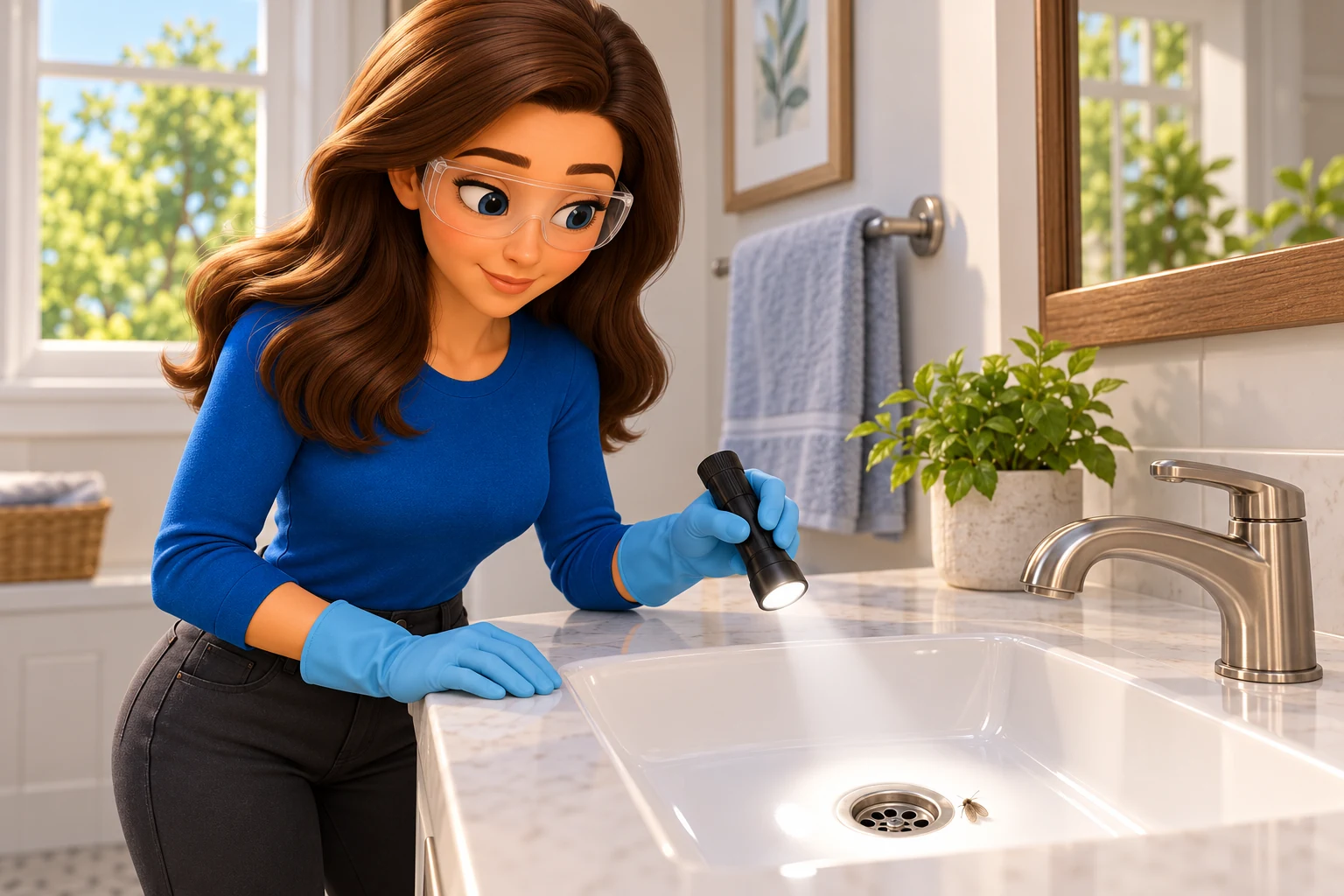
If the problem is really a sewer-like odor, use the sewer-smell guide instead. If small flies are also present, use the drain flies hub to identify a possible breeding site; flies do not establish that mold is the cause.
Conclusion
For a musty bathroom, work from the moisture source to the affected material: remove damp items, correct leaks, improve drying and assess any visible damage. Persistent odor needs investigation rather than stronger fragrance.
Read more Plumbing guides for bathroom troubleshooting and practical home-care checks.

Scott Harding
Scott is the main author of DIY Home Comfort. He's also an experienced HVAC technician that enjoys home renovation and spending time with his family. You can find out more about him here.